
Iranian missiles breached Israel’s Iron Dome on March 21, 2026, injuring over 100 civilians near a key nuclear site, exposing vulnerabilities in the US-Israel alliance against Tehran aggression.
Story Snapshot
- Iranian ballistic missiles struck Dimona and Arad, penetrating air defenses and hitting residential areas, including near Shimon Peres Negev Nuclear Research Center.
- Over 100 injured, including a boy in serious condition from shrapnel and a woman from glass shards; building collapses and school damage reported.
- Strikes retaliate for alleged US-Israeli attack on Iran’s Natanz facility earlier that day, escalating the war started February 28, 2026.
- IDF investigates rare defense failure against familiar missiles; IAEA confirms no nuclear damage or radiation leaks.
- Netanyahu vows continued multi-front fight, praising Israeli resilience amid Hezbollah northern attacks.
Missile Strikes Penetrate Defenses in Dimona
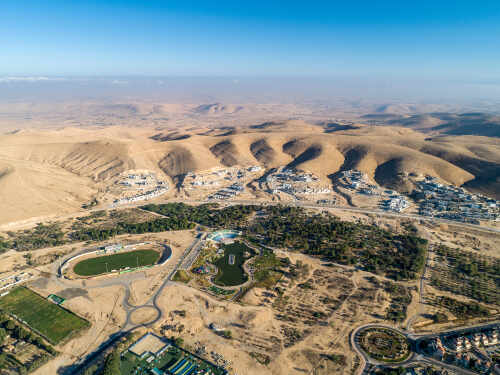
On March 21, 2026 evening, Iranian ballistic missiles hit approximately 12 locations in Dimona, southern Israel. Sirens blared as one missile collapsed a building and possibly a school, scattering shrapnel across residential zones. Magen David Adom treated dozens, including 20-47 injured in Dimona alone, with 11 seriously or moderately wounded. Home Front Command deployed rescue units immediately. The city, population around 30,000 in the Negev desert, lies 10 kilometers from Israel’s Shimon Peres Negev Nuclear Research Center, a long-standing Iranian target. This marked the first confirmed direct hit on Dimona since the US-Israeli-Iran war began February 28, 2026.
Arad Hit Follows, Total Injuries Exceed 100
Hours later, a second Iranian missile struck Arad, 25,000 residents strong, damaging multiple buildings. Rescue teams sifted rubble, but no missing persons emerged. Scores injured there, including seven seriously, pushed the total over 100 across both cities. A young boy suffered serious shrapnel wounds, while a woman sustained moderate injuries from glass shards. Helicopters and ambulances evacuated victims. Concurrently, an additional missile neared Eilat but Israeli defenses intercepted it, causing no harm. Hezbollah launched northern rocket barrages simultaneously, stretching Israeli resources.
Retaliation for Natanz Strike Sparks Escalation
Iran claimed the barrage avenged a US-Israeli strike on its Natanz uranium enrichment facility earlier March 21, plus prior hits on Bushehr power plant confirmed by IAEA March 18. Iranian state media Tasnim and IRNA boasted “no area safe,” aiming to deter further attacks on nuclear sites. Israel denies Natanz involvement. Missiles carried conventional warheads with hundreds of kilograms of explosives, not nuclear. IDF spokesperson Defrin noted systems operated but failed against familiar munitions, triggering an investigation. This rare penetration underscores escalation risks in the ongoing conflict.
Leadership Responds with Resolve
Prime Minister Netanyahu spoke to Dimona Mayor Biton and Arad officials, praising home front strength and pledging a sustained multi-front campaign despite upcoming Passover holidays. Defense Minister Katz affirmed the war continues unabated. IDF Chief Zamir echoed commitments to resilience. Iranian officials framed strikes as an “unforgettable lesson” to force surrender. IAEA verified no radiation or damage at Dimona, Natanz, or Bushehr sites. Police Commissioner Levy oversaw Arad response, confirming controlled operations.
Implications for US-Israel Security Partnership
President Trump’s administration faces direct accusations from Iran over Natanz and Bushehr, testing the ironclad US-Israel alliance central to countering Tehran’s nuclear ambitions and proxy threats. Short-term, Israel probes air defense lapses for upgrades amid heightened alerts. Long-term, tit-for-tat nuclear site strikes risk broader war, demanding robust American support for missile tech and intelligence. Dimona and Arad communities endure trauma, property damage, and medical costs, yet display unyielding resolve. Economic fallout includes rescue expenses; politically, it bolsters Israeli determination while Iran pushes deterrence myths. Conservative Americans see this as a clarion call to back allies against globalist appeasement of rogue regimes.
Sources:
Over 100 injured, 11 seriously, in Iranian missile strikes on southern cities of Arad, Dimona
At least 40 injured after Iranian missile strikes Israeli town home to nuclear facility
Iranian Missile Strike on Dimona Injures 34 as Tehran Cites Retaliation for US-Israel Strikes
Iranian missile hits Dimona, Arad; over 100 hurt