Armed Israeli settlers briefly detaining a sitting U.S. congressman at rifle-point in the West Bank has reignited deep questions about how American tax dollars and weapons are used overseas and what that means for our own security and sovereignty.
Story Snapshot
- U.S. Representative Ro Khanna says armed Israeli settlers blocked his vehicle and detained his group during a July 2026 visit to a Palestinian village in the West Bank.
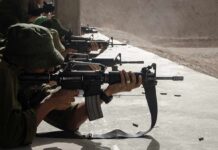
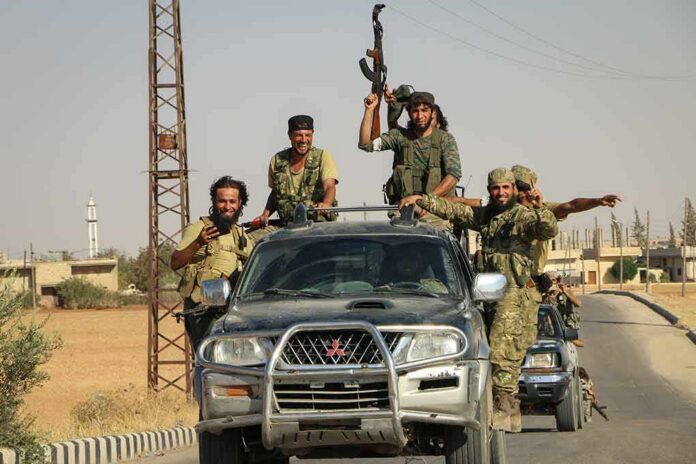
- Khanna reports the settlers carried American-made M4 rifles, then called the Israeli Defense Forces, who he says took the settlers’ side over the Americans.
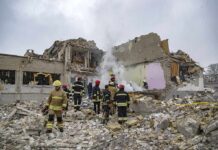
- The congressman describes the area he visited as a village whose school and buildings had been destroyed in earlier settler attacks.
- The incident raises hard questions for Americans about foreign aid, control of U.S.-made weapons, and respect for U.S. citizens abroad.
What Khanna Says Happened On The West Bank Road
Representative Ro Khanna, a Democrat from California, traveled to the occupied West Bank in early July 2026 to visit the Palestinian village of Turmus Ayya. During the trip, he says a group of young Israeli settlers, about 21 or 22 years old, surrounded his van on a village road. Khanna states the settlers were armed with American-made M4 rifles and blocked the vehicle so it could not move. He describes this as a “detention,” saying his group was held there and could not continue their visit until the settlers allowed them to leave.
Khanna recounts that his translator told the settlers there were American citizens present, including a U.S. lawmaker, and says the settlers laughed rather than backed down. He then says the settlers called the Israeli Defense Forces, known as the IDF, to the scene. According to Khanna, the IDF soldiers who arrived did not insist on free passage for the American delegation. Instead, he claims they sided with the settlers, reinforcing the roadblock and showing no respect for the fact that they were dealing with Americans whose tax money helps fund their military.
Destroyed Village And Claims Of “Arrogance Of Power”
Khanna explains that his delegation was visiting Turmus Ayya to see what he describes as the aftermath of settler attacks. In his account, he says the village had been destroyed and that the local school had been ruined by earlier violence from settlers. He links this to what he calls a wider “toxic culture of oppression” in the West Bank, arguing that settlers and soldiers act with “total impunity.” There are, however, no named Palestinian witnesses or independent forensic reports in the available materials that confirm the exact state of the school and village on the day he visited.
In interviews, Khanna goes further and calls the young soldiers’ behavior “arrogance of power.” He says they showed no concern that they were detaining Americans who help pay for their equipment and salaries through U.S. aid. Khanna argues that if even a U.S. congressman can be treated this way by armed civilians and military forces, ordinary Palestinians and foreign visitors must face much harsher treatment on a daily basis. His comments echo warnings in human rights reports that describe rising settler violence, including unlawful killings and physical abuse of Palestinian civilians in the West Bank.
American Weapons, Tax Dollars, And Trump-Era Policy Choices
For many conservative readers, one detail in Khanna’s story stands out: his claim that the settlers brandished American-made M4 rifles. The United States has long supplied Israel with military aid, often around $3.8 billion in weapons per year. Policy research notes that the Israeli military has provided tens of thousands of weapons to civilian settlers during recent conflicts. That means gear funded by American taxpayers can end up in the hands of non-military actors on disputed land, raising questions about control, oversight, and end use of U.S.-made firearms abroad.
Under President Donald Trump’s second term, many conservatives support strong ties with Israel but also demand accountability for every dollar and weapon sent overseas. Events like this detention feed concerns about whether our aid is being used to advance shared security or to empower foreign groups that do not respect American citizens or the rule of law. Some analysts warn that settler violence has become a serious problem, with intimidation, property damage, and other attacks documented across the West Bank. For constitutional conservatives, the idea that foreign civilians with U.S.-made rifles can detain an American lawmaker highlights the need to protect national dignity while keeping firm limits on foreign entanglements.
Political Fallout And The Larger Fight Over Settlements
Khanna has used the incident to push his long‑standing criticism of Israeli settlement expansion. Earlier in the term, he backed legislation in the U.S. House of Representatives that condemns the growth of Israeli settlements in occupied territory, arguing it undermines peace and basic rights. His detention story now serves as a vivid example in that debate, showing how deeply settlements and settler groups can shape daily life on the ground. However, there is still no official Israeli Defense Forces incident report or public statement confirming or challenging his version of events.
🇺🇸🇮🇱 Rep. Ro Khanna says he was DETAINED by Israeli settlers in the West Bank
Khanna claims he and other Americans were held at gunpoint (American-made M4s), and when the IDF arrived… they sided with the settlers and extended the detention.
His words: “They made a huge…
— Mario Nawfal (@MarioNawfal) July 12, 2026
The lack of a clear response from Israeli authorities leaves Khanna’s account largely uncontested in the public record. Mainstream outlets like Reuters and others have reported the story based on his statements, but they have not presented a detailed settler or military counter‑narrative for this specific roadblock. That silence fuels wider worries about transparency and accountability in areas where American money, weapons, and diplomatic support are deeply involved. For many conservative Americans, this episode is another reminder that strong alliances must still respect U.S. sovereignty, protect our citizens, and answer hard questions when things go wrong.
Sources:
cbsnews.com, youtube.com, facebook.com, timesofindia.indiatimes.com, timesofisrael.com, internazionale.it, x.com, news.az, castor.house.gov, imeupolicyproject.org, brookings.edu