
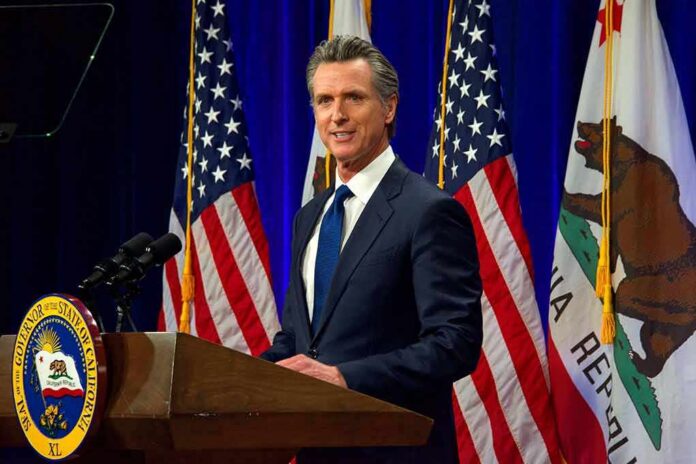
Gavin Newsom has signed a $2.4 billion special education boost while California schools still face deep staffing and funding strain.
Quick Take
- Newsom signed AB 126, which raises K-12 special education funding by 43%.
- The new money totals an additional $2.4 billion in ongoing support for schools.
- State officials call the move a historic investment, but critics say it still falls short of the need.
- The budget also adds targeted money for high-cost special education needs and inclusive classroom support.
What Newsom Signed
Governor Gavin Newsom signed AB 126, the education trailer bill that adds $2.4 billion to California’s K-12 special education funding. State officials say the increase is 43% above the prior year and raises the per-student rate to $1,340. Newsom’s office also framed the move as a historic investment in students with disabilities and their families.
The announcement came as California leaders tried to show action on a system many educators say has been stretched thin for years. The state budget also includes an $80 million ongoing special education extraordinary cost pool and a one-time $30 million increase for the Supporting Inclusive Practices Project. Those smaller pieces are meant to help districts cover costly services and expand access to general education classrooms.
Why Supporters Call It a Major Shift
Supporters of the plan say the state is finally giving districts more room to serve students with higher needs. The governor’s office says the new funding helps all local educational agencies receive special education money at the same rate. Newsom also said the goal was to create a “pattern interrupt” that changes expectations for how the state supports special education.
That language fits a broader political message from Sacramento: more spending, more access, and more proof that California is investing in public schools. Newsom has also tied the move to the larger 2026 education budget, which he says reaches record levels overall. For families who have waited on services, even a large increase can look like a long-overdue correction.
Why Critics Say the Crisis Is Not Over
Education advocates and school leaders argue that the new money still does not solve the bigger problem. EdSource reported that experts continue to say special education remains underfunded, forcing districts to use general funds to cover required services. Teachers and administrators also describe high caseloads, staffing shortages, and burnout that have not eased fast enough, even after new funding rounds.
The federal picture makes that problem worse. California experts say federal Individuals with Disabilities Education Act funding still covers only about 8% of total special education costs, far below the 40% share Congress originally promised. That gap means state spending can rise sharply and still leave districts scrambling to pay for aides, therapists, transportation, and other mandated services.
The Budget Fight Behind the Headlines
The special education increase is only one part of Newsom’s larger budget fight. The California Senate and Assembly have opposed his decision to withhold $3.9 billion from the Proposition 98 school funding guarantee. Critics say that move shifts pressure onto schools and helps balance the state budget on the backs of students.
Gov. Gavin Newsom signed legislation Thursday to fund California’s K-12 special education by $2.4 billion, a 43% increase from a year ago. pic.twitter.com/PYnon9jRjK
— Spectrum News 1 SoCal (@SpecNews1SoCal) July 9, 2026
Newsom’s allies argue that the special education increase shows he is still prioritizing classrooms, even while managing a tight state budget. But the larger dispute is not about whether more money was added. It is about whether California is willing to build a system that actually keeps up with rising special education enrollment, higher service costs, and the staffing needs districts say they still cannot meet.
Sources:
nypost.com, ksbw.com, edsource.org, the74million.org, ppic.org