
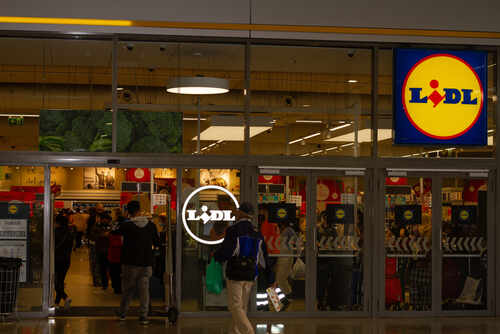
A nationwide rush for 179-euro air conditioners in France spiraled into police-monitored scuffles and a smashed store entrance as a harsh heatwave loomed.
Story Highlights
- Lidl reportedly moved about 200,000 cooling units in a one-day sale across France.
- Police responded to scuffles and disorder as crowds surged at multiple stores.
- One store entrance in Nanterre was broken amid the rush, showing serious crowd pressure.
- Shoppers alleged misleading stock levels and even accused police of grabbing units.
Discount Frenzy Meets Heatwave Pressure
Reporters in France said Lidl priced portable air conditioners at 179 euros, far below typical market costs, and stocked fans and other cooling gear for a nationwide sale on July 2, 2026. Media said the chain moved about 200,000 units in one day as long lines formed before sunrise. People lined up as early as 5:00 a.m., bracing for extreme heat and limited stock in many stores, which fueled tempers and pushed security to the edge.
Al Jazeera’s NewsFeed captured scenes of chaos at several locations, including Nanterre. Video and on-scene accounts described shouting, jostling, and a smashed entrance as doors gave under a wave of shoppers. Police appeared at multiple stores to settle line-cutting fights and maintain order. The coverage matched several social clips that showed the same pattern: surging crowds, sudden confrontations, and a frantic rush for a small number of discounted units.
Police Response And Claims Of Misconduct
French outlets and wire services said officers were deployed to manage disputes and keep lines moving. Some shoppers accused police of taking air conditioners for themselves, claims attributed to interview comments and social posts. Those allegations remain unverified by official reports, and no precinct incident logs were cited by the media at the time of publication. The police presence, however, was documented across locations as staff struggled with crowd control.
At the store level, customers complained that ads implied broader availability than they found. Some stores, they said, had only one or two units on hand, turning a national offer into a local flashpoint. Without a public statement from Lidl France on distribution or store-level allocations, those concerns went unanswered in the press coverage. That silence hardened shopper frustration and raised questions about promotional planning during dangerous heat.
Heat Risk, Retail Planning, And Public Order
The rush came as Europe faced prolonged, dangerous heat that had already set new records in late June. International weather bodies documented extreme temperatures in France that pushed above 43 degrees Celsius in some areas. Those conditions increase stress on older residents, families with young children, and anyone in small, hot apartments. The setting helps explain why a deep discount on basic cooling gear drew huge lines and sparked conflict when supplies ran short.
https://twitter.com/Hak_2861/status/2072682237607244172
Researchers have tracked sharp sales spikes during extreme temperatures, and retailers often struggle when demand surges for a few essential items at once. Reports show sales jump during heatwaves over 35 degrees Celsius, while in-store plans lag behind. That gap can turn a promotion into a security event if lines form before dawn and crowd control fails. The French scenes fit that pattern: sudden demand, scarce stock, and real safety risks for customers and staff.
What This Moment Says About Policy And Preparedness
This story is a warning about supply, transparency, and public order. When a retailer promises a hot item during life-threatening heat, it must say how many units each store will have and how sales will be managed. Clear limits, ticketing systems, and online reservations can prevent stampedes. Local officials should also coordinate crowd plans when a promotion can trigger lines and put seniors or families at risk in the heat. That is common sense, not heavy-handed control.
The unanswered questions matter. Lidl France did not publish a detailed breakdown of store allocations that media cited. Police agencies did not release incident reports to confirm the scope of injuries, arrests, or misconduct claims. The public deserves those facts. Accurate records would show what went wrong, guide safer promotions, and shut down rumors. Until then, citizens and retailers carry the risk when heat returns and supplies run thin.
Bottom Line For American Readers
France just showed how fast basic needs can break down when heat spikes and planning fails. Americans know this story from storms, blackouts, and past shortages. Order and fairness start with straight facts on stock, clear lines, and simple rules that protect families. That respects both the customer and the cop on the line. It also keeps panic from taking root when temperatures rise and patience runs out.