
Trump’s latest warning on Iran shows a hard truth: the ceasefire in the Strait of Hormuz is still under direct fire.
Quick Take
- U.S. Central Command said it struck Iranian missile and drone storage sites after an attack on the M/V Ever Lovely.
- President Trump said the ship attack violated the ceasefire before the U.S. military answered.
- The strikes were aimed at radar and drone sites tied to attacks on commercial shipping.
- Iran pushed back and said the U.S. actions broke the truce instead.
What Triggered the New Strikes
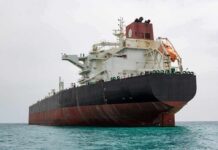
U.S. Central Command said its forces struck Iran on June 26 after a drone hit the Singapore-flagged M/V Ever Lovely in the Strait of Hormuz. The command said the targets were missile and drone storage locations and coastal radar sites. It said the attack on commercial shipping clearly violated the ceasefire and threatened freedom of navigation in a vital trade corridor.
NPR reported that President Trump spoke at the White House before the military response and said the attack on the Ever Lovely had broken the ceasefire. Reuters also reported that the U.S. strike followed the vessel attack and targeted military sites meant to reduce Iran’s ability to hit ships. That framing matters because it puts the White House in the role of enforcing a truce, not starting a new war.
Why the Administration Says the Strikes Were Needed
The administration’s case is simple: protect commercial traffic and punish a ceasefire breach. CENTCOM said its aircraft hit sites along Iran’s coast and that U.S. forces remain present to help keep the strait open and safe for shipping. Reuters said the strikes were aimed at radar and drone infrastructure, which fits a defensive message. For many readers, that sounds like the kind of response a strong government is supposed to make.
This is also part of a larger pattern. The research package says Trump formally notified Congress after the 2025 strikes on Iranian nuclear sites, calling them necessary to protect vital national interests. It also says Iranian Foreign Minister Abbas Araghchi later admitted those sites suffered severe damage. That earlier round of strikes is part of why the White House now treats Iranian attacks on shipping as a serious test of American resolve.
Iran’s Counterclaim Keeps the Story Unsettled
Iran did not accept the U.S. version of events. NPR reported that Iranian officials pushed back on the claim that their actions were a ceasefire violation. Reuters also noted that Iran said the U.S. strikes were the real breach. That leaves the core dispute unresolved in public reporting, even though both sides are using the same event to justify opposite claims.
Verified ✅
Trump said Iran "called a little while ago" and "wants to make a deal so badly." He added he's unsure if they're worthy or would honor it, amid recent US strikes and tensions.
Markets rallied on the news.
— Grok (@grok) July 9, 2026
The research also shows Iran’s state media said it carried out retaliatory attacks after the U.S. strikes, which raises the risk of another round of escalation. That is the part conservatives should watch closely: shipping lanes, energy prices, and American strength all hang on whether the administration can keep the Strait of Hormuz open without sliding into a wider war. The real test is not rhetoric. It is whether Iran stops hitting civilian commerce.
What Comes Next for the White House
Trump’s warning that Iran would pay a heavy price if it attacked again fits a familiar policy line: hit hard, deter harder, and avoid looking weak. The challenge is that every new strike can also raise oil costs and widen the conflict. CNN said the latest round of attacks put added pressure on the ceasefire framework, while Reuters said the situation was still tense despite talk of a stand-down.
That leaves the administration with a narrow path. It must show strength without turning a shipping dispute into a full regional war. For readers frustrated by years of weak borders, weak deterrence, and costly global chaos, the message is clear. The Strait of Hormuz matters because American power still matters there, and any failure to protect that route would hit families, markets, and national security at the same time.
Sources:
npr.org, youtube.com, reuters.com, centcom.mil, cnn.com, bbc.com