
A chilling new analysis warns that America’s power grid is just minutes from chaos, and our way of life may depend on whether we fix its weaknesses before the next attack or disaster hits.
Story Snapshot
- The U.S. electric grid faces growing physical and cyber threats from criminals, extremists, and foreign governments.
- Federal reports show hundreds of recent attacks and threats against key grid infrastructure, with vulnerabilities rising every day.
- Experts say nations like China and Russia view our grid as a prime target, and they already have the capability to strike.
- The “17‑minute collapse” story is fiction, but it points to very real weaknesses that could cripple modern life fast.
Growing Attacks On A Fragile Grid
Federal data now confirms what many conservatives have warned for years: America’s electric grid faces a steady drumbeat of attacks and threats, and security is not keeping up. In 2023, the Department of Energy reported at least 175 physical attacks or threats against critical grid infrastructure, including theft and vandalism. These incidents hit substations, transformers, and control facilities that keep the lights on and, in many cases, sit in remote areas with limited protection or monitoring. Each strike tests the system and exposes weak points that bad actors can study and exploit.
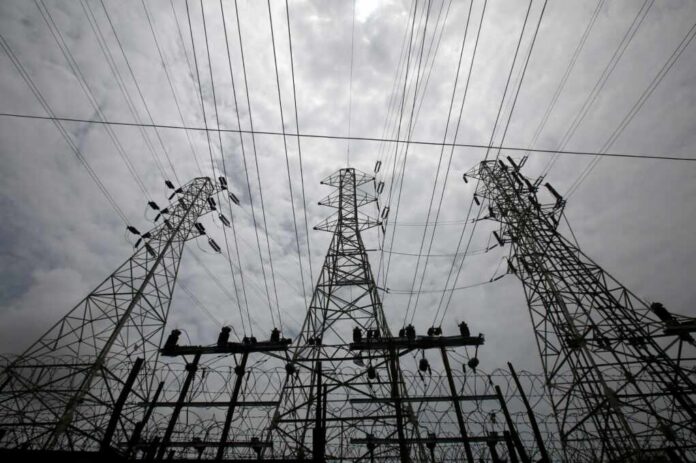
Security analysts say the grid’s sheer size and complexity make it a tempting target for anyone who wants to cause widespread pain. The power system ties into nearly every part of daily life: homes, hospitals, water systems, traffic signals, factories, and the digital tools people use to work and communicate. Physical attacks on substations have grown as a concern, especially where fences, cameras, and access controls remain outdated or thin. A successful strike on a few key transformers could shut power to major regions for days or weeks, with knock-on effects for public safety and the economy that reach far beyond the first blackout.
Cyber Threats From Foreign Adversaries And Extremists
At the same time, the digital side of the grid is under heavy fire. The Government Accountability Office reports that the electricity grid is now an attractive target for cyberattacks from United States adversaries, including China and Russia, as well as insiders and criminal groups. Grid distribution systems, which move power from high‑voltage lines to homes and businesses, now use more remote‑access technology tied into business networks. That convenience also opens doors for hackers who probe for weak passwords, unpatched software, and poorly segmented networks they can use to disrupt operations or learn how the system responds under stress.
Recent research shows those digital attacks are rising fast. In 2024, one study found more than 1,100 cyberattacks aimed at utilities, a jump of 70 percent compared with the prior year. Domestic extremists have also circulated detailed plans to sabotage power stations, motivated by racial hatred or a desire to spark civil unrest. Security reports describe online documents that give step‑by‑step instructions for low‑tech rifle attacks on substations, shared among white nationalist communities that openly talk about toppling the United States government. These threats strike at the heart of national security and public order, and they demand strong law‑enforcement and counter‑terror strategies that respect constitutional rights while protecting critical infrastructure.
Weather, Wildlife, And Aging Equipment Add To The Risk
Beyond attackers, nature and aging hardware also strain the system. Analysts at the American Security Project say some of the largest threats to the energy grid are extreme weather, cybersecurity risks, and even wildlife. Major storms, deep freezes, and heat waves push old equipment past its limits, especially when lines, transformers, and plants have not been upgraded for new patterns in demand and climate. Animals like birds and squirrels can short out lines or damage gear, adding small but real failures on top of bigger stresses.
Cuba suffers second nationwide blackout in five days
Cuba on Friday saw its second nationwide blackout in five days.
The island nation's electricity grid has crumbled amid a six-month US fuel blockade and already dilapidated energy infrastructure.
This is Cuba's ninth…
— Alex 🇺🇸 (@A_L_E_X_V_E_G_A) July 11, 2026
The Department of Energy warns that, without steady replacement of aging infrastructure, annual outage risk could surge from today’s single‑digit hours to more than 800 hours per year. That is over a month of lost power on average and would hammer families, small businesses, and local governments that already face tight budgets and high costs. For conservative readers who value energy independence and economic stability, this paints a clear picture: neglecting grid reliability and resilience is another form of government failure that punishes working Americans while elite decision‑makers tout green slogans and global agendas.
The “Seventeen Minutes” Scenario: Fiction Pointing To Real Stakes
Recently, a story about a supposed “seventeen‑minute” total grid failure has spread through alternative media, claiming that a brief collapse exposed the fragile foundations of modern civilization. Available evidence shows no official record of such an event; there are no Department of Energy logs, North American Electric Reliability Corporation incident reports, or mainstream news coverage that document a real nationwide seventeen‑minute shutdown with the dramatic impacts described. That timeline comes from a fictional scenario used to dramatize real vulnerabilities, not from a confirmed blackout.
Even so, the core warning behind the story deserves attention. Past events show that a grid can come within minutes of total failure. During the 2021 Texas winter crisis, grid operators said the system was less than five minutes from a cascading collapse that could have left the state dark for weeks. National Academies research and other expert reports describe “inherent vulnerabilities” in the United States power grid, and they caution that as more technology connects to the system, points of susceptibility multiply. When power goes out, communications, finance, transport, and emergency services begin to falter quickly, and the longer those outages last, the more society feels the strain.
Institutional Silence, Content Policing, And Why It Matters To Conservatives
Many mainstream outlets and agencies focus on grid resilience and modernization and tend to dismiss alarmist scenarios from fringe sites as “doomsday talk” or misinformation. Some social media platforms downrank or flag content that mixes fiction with real risk, especially when it comes from outlets known for speculative or sensational coverage. At the same time, utilities and regulators often highlight improvements while staying quiet about worst‑case failures, a pattern that can look like downplaying problems to avoid panic, new rules, or higher costs.
For conservatives who value transparency, limited but competent government, and strong national defense, this raises serious questions. If foreign adversaries already have the tools to hit our grid, and if extremists at home are sharing attack guides, Americans deserve honest assessments and clear plans to harden key assets. That means protecting substations and control centers, updating aging equipment, and tightening cybersecurity, all while keeping power affordable and reliable. Trump‑era policies that restrict use of foreign‑made grid equipment and push for stronger domestic infrastructure have moved in that direction, but ongoing vigilance is crucial. The fictional “seventeen‑minute” story may not describe a real event, yet it highlights a simple truth: our modern way of life rests on a grid that enemies would love to break, and serious adults need to fix the cracks before the lights go out for real.
Sources:
zerohedge.com, rpc.senate.gov, secureenergy.org, klrd.gov, generatorsource.com, facebook.com, energy.gov, youtube.com, hks.harvard.edu, pbslearningmedia.org