
A tightly controlled state funeral in Doha has again shown how Qatar’s rulers use royal rituals to project power, unity, and influence far beyond the Gulf.
Story Snapshot
- Former Emir Sheikh Hamad bin Khalifa Al Thani died at age 74 on July 12, 2026, triggering four days of national mourning in Qatar.
- Funeral prayers were held at Qatar’s grand state mosque in Doha and attended by royals, officials, and foreign dignitaries.
- Current Emir Sheikh Tamim bin Hamad led the ceremony for his father before burial at Lusail Cemetery.
- The carefully staged funeral highlights how energy-rich monarchies blend religion, politics, and media to lock in regime stability.
Former Emir’s Death and Qatar’s Immediate Response
The Amiri Diwan, Qatar’s royal court, announced on Sunday that former Emir Sheikh Hamad bin Khalifa Al Thani died at the age of 74, marking the passing of the man who turned Qatar into a gas-rich global player. Reporting states that he died on July 12, 2026, in Doha, and authorities moved quickly to activate long-planned royal protocols. The same announcement declared four days of national mourning, with flags at half-mast and public festivities suspended across the country.
Sheikh Hamad ruled from 1995 until he voluntarily handed power to his son, Sheikh Tamim bin Hamad Al Thani, in 2013, an unusual move in a region where rulers often die in office. His reign covered Qatar’s rapid economic rise built on massive natural gas reserves, aggressive foreign investment, and a high-profile media strategy that included support for channels like Al Jazeera. His death is the first time a former Qatari ruler who abdicated peacefully has passed away, making this funeral a test of how the monarchy manages succession optics.
Funeral Prayers at Qatar’s Grand State Mosque
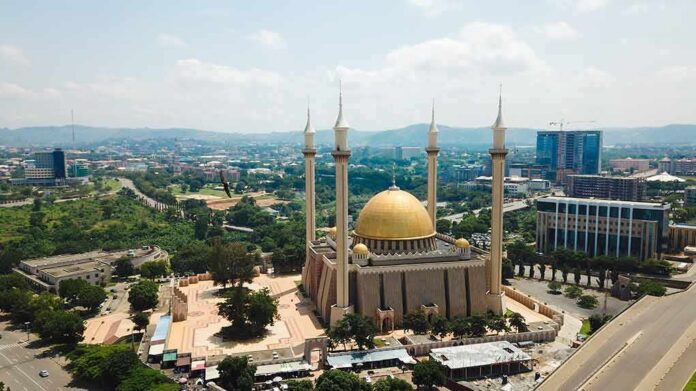
Funeral prayers for the former emir were held after sunset on Sunday at the Imam Muhammad ibn Abd al-Wahhab Mosque, Qatar’s national mosque in Doha. State and international media describe a simple religious ceremony in line with Islamic custom, but one carried out in a highly symbolic setting at the heart of the capital. Large crowds of mourners, including members of the royal family and senior officials, gathered at the mosque to pay their respects as cameras broadcast images around the world.
Current Emir Sheikh Tamim bin Hamad led the funeral prayers for his father, a public act that underlined both personal loss and political continuity. Images and video from the ceremony show rows of Qatari royals, ministers, and security officials standing behind the emir in prayer, reinforcing the message of a united ruling family. State outlets and international channels note that foreign dignitaries also attended, reflecting Qatar’s wide network of political and economic ties built during Sheikh Hamad’s rule.
Burial at Lusail Cemetery and Managed Mourning
Following the mosque prayers, Sheikh Hamad’s body was taken to Lusail Cemetery, north of Doha, where he was laid to rest in a private burial. Reports indicate the funeral and burial took place later on Sunday, after the daily evening prayer, fitting the pattern seen in many Gulf monarchies where former rulers are buried within 24 hours in relatively modest rites. The choice of Lusail, a new development area linked to Qatar’s recent mega-projects, also ties his legacy to the state’s modern showcase city.
The royal court’s mourning decree shut down government offices and halted official celebrations for four days, signaling a nationwide pause orchestrated from the top. Such moves echo other royal funerals in the region, where public space, media coverage, and even social mood are guided by palace decisions. For outside observers, this level of control shows how far absolute monarchies can shape the public narrative, especially when there is little room for open dissent or debate about a leader’s record.
Power, Image, and What This Means for the West
Coverage from regional outlets emphasizes unity and praise for Sheikh Hamad’s role in transforming Qatar into a wealthy, assertive state, while avoiding deeper discussion of past controversies, such as the 1995 coup that brought him to power. State-linked media describe the funeral as a solemn national moment and do not highlight any critical voices or opposition. This silence fits a wider pattern in Gulf monarchies, where sensitive political questions are often kept outside public view, especially during set-piece events like royal funerals.
#Pakistan's Prime Minister @CMShehbaz Sharif arrived in #Doha on Monday to offer condolences following the passing of Sheikh Hamad bin Khalifa Al Thani. #Qatar's Father #Amir, who passed at the age of 74, was laid to rest at the Lusail Cemetery following funeral prayers at the… pic.twitter.com/2XB7e7V00X
— Doha News (@dohanews) July 13, 2026
For American readers, the images from Doha are a reminder that many of Washington’s energy and security partners are tightly controlled monarchies that choreograph public life through ritual and media. Qatar’s smooth, carefully staged farewell for its former emir underscores how these regimes blend religious ceremony, state power, and information control to keep their ruling families secure. As the United States debates energy policy, defense ties, and foreign aid, understanding how these systems work on the ground is vital to defending our own constitutional values and national interests.
Sources:
newscord.org, thenationalnews.com, instagram.com, facebook.com, apnews.com