
A $1 energy drink—pumped into war zones through contractors—quietly became the caffeine lifeline for exhausted U.S. troops, raising uncomfortable questions about what America’s institutions will normalize when the mission won’t stop.
Quick Take
- Rip It, a budget energy drink launched in 2004, became a near-ubiquitous “chow hall” staple for U.S. troops during the Iraq and Afghanistan wars.
- Distribution flowed through defense contractors, with key details about deal terms remaining unclear and the manufacturer largely declining to comment in reporting.
- Veteran accounts describe Rip It as a morale booster and fatigue-fighter—but also tied to overconsumption and unpleasant health effects.
- The story highlights a broader pattern in modern government: big systems improvising with little transparency while individuals carry the consequences.
How a Discount Energy Drink Became a Deployed Troop Staple
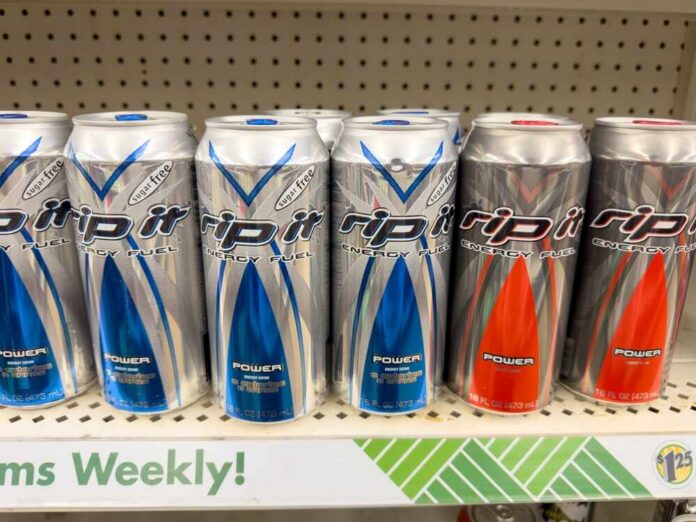
National Beverage Corp., a Florida-based company known for value brands, entered the early-2000s energy drink boom with Rip It in 2004. The product pitched itself as “energy fuel at a price you can swallow,” and its small cans and low cost fit the military’s logistics reality. Veteran-focused outlets report that contractors shipped Rip It to Iraq and Afghanistan, where it showed up in dining facilities and on bases as a routine, often free, option.
The appeal was practical, not glamorous. Rip It’s smaller 8-ounce can was easy to stash for long shifts, convoy duty, and night watch—times when sleep was scarce and mistakes could be deadly. Reporting and reference summaries describe typical caffeine levels around 100 mg per 8-ounce can, with larger sizes containing more. Over the long arc of the Global War on Terror, that steady availability helped turn a cheap drink into a shared cultural artifact.
Contractors, Convenience, and the Transparency Problem
The most revealing detail about Rip It’s military footprint is also the least documented: how it got there. Multiple accounts describe distribution through defense contractors rather than a straightforward, publicly understood Department of Defense endorsement. That distinction matters because it can blur accountability. If a product becomes de facto standard in a government system through intermediaries, citizens and service members have fewer clear answers about procurement choices, health guidance, and who benefits financially.
Some reporting notes that National Beverage did not provide detailed public explanations about the arrangements, and the terms of the contractor pipeline have not been fully laid out in the sources provided. That gap leaves room for myths—such as the idea that Rip It was “created for the military”—even though the available accounts emphasize it was a commercial product that troops adopted organically once it became widely accessible downrange.
Health Concerns Emerged Alongside the “Battle Buddy” Reputation
Veteran narratives capture the two-sided reality of stimulant culture in a high-tempo war. On one side, Rip It delivered caffeine and sugar quickly for people running on broken sleep, long missions, and constant stress. On the other, the same stories describe overuse: commanders and NCOs sometimes tried to limit intake, while junior troops pushed past common-sense boundaries. Articles recount GI issues, dehydration concerns, and other unpleasant side effects when consumption got out of hand.
The evidence base here is largely anecdotal—service-member stories repeated across multiple military and veteran outlets—rather than formal health studies tied specifically to Rip It’s wartime use. Still, the consistency of those accounts points to a familiar institutional pattern: when operational tempo stays high, “good enough” short-term fixes can become normalized. For conservatives skeptical of bureaucratic management, it’s another reminder that big systems often prioritize continuity of operations over the long-run wellbeing of individuals.
What Rip It’s Legacy Says About Government, War, and Everyday Americans
Rip It’s GWOT legacy now lives mostly in veteran culture and nostalgia, especially after the Afghanistan withdrawal shifted attention away from large-scale deployments. The brand remains available to civilians at budget-friendly prices, but its fame is rooted in that era when a contractor-supplied drink became a symbol of endurance. One outlet even framed energy drinks as an “unsung hero” of the war years, underscoring how central caffeine became to daily function.
For readers across the political spectrum, the larger takeaway is less about the brand and more about the machinery behind it. A government that can fight for two decades can also quietly build habits—through contracts, supply chains, and base routines—that few voters ever notice. The Rip It story doesn’t prove a conspiracy, but it does illustrate why many Americans distrust “the system”: decisions with real human impact can become standard practice without clear, public explanation.
Limited social-media material in the provided list directly addresses Rip It or its military role, so only the most relevant English-language link was used.
Sources:
The History of Rip It, the Beverage That Fueled US Troops in Iraq and Beyond – We Are The Mighty
US military got hooked on Rip It – Task & Purpose
Energy drinks: the unsung hero of the Global War on Terror – Sandboxx