
A sitting congresswoman publicly admitted to coordinating with foreign ambassadors to circumvent U.S. sanctions on Cuba, raising serious questions about unauthorized diplomatic interference that could undermine America’s national security interests.
Story Snapshot
- Rep. Pramila Jayapal (D-WA) acknowledged discussing oil shipments to Cuba with Mexican and Latin American ambassadors during a May 6, 2026 Seattle briefing
- The admission came after Jayapal’s April 2026 congressional delegation to Cuba where she met with regime officials and criticized Trump administration sanctions
- Critics argue her actions potentially violate the Logan Act, which prohibits unauthorized citizens from negotiating with foreign governments to undermine U.S. policy
- The incident highlights a pattern of what opponents call “shadow diplomacy” as Democrats attempt to counter Trump’s hardline Cuba sanctions through alternative channels
Jayapal’s Public Admission Sparks Controversy
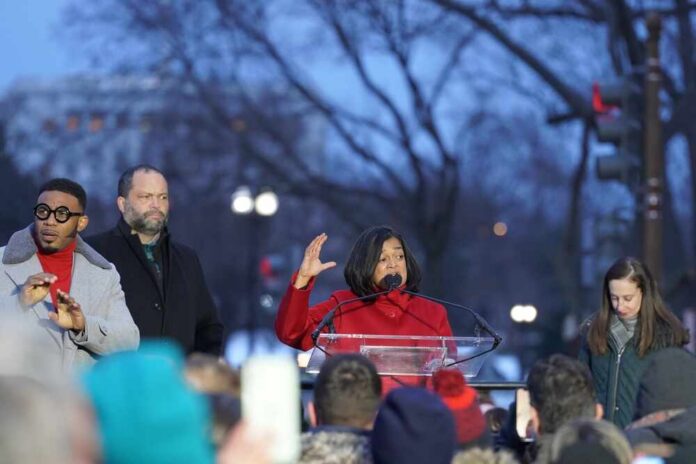
Rep. Pramila Jayapal made a stunning admission during a Seattle briefing on May 6, 2026, when she openly discussed coordinating with foreign diplomats to facilitate oil shipments to Cuba. Speaking about Cuba’s energy crisis, Jayapal stated on record: “Russia has said they’re going to send another tanker… I was in conversation with the ambassadors from Mexico and some other places, and I know other countries in Latin America are trying to figure out how to get oil there.” The video clip quickly went viral on social media, accumulating over one million views and sparking intense debate about congressional overreach in foreign policy matters.
Cuba Trip Preceded Diplomatic Coordination
Jayapal’s controversial statements followed a five-day congressional delegation to Cuba in April 2026, where she and Rep. Jonathan Jackson (D-IL) met with regime officials. The trip, which cost taxpayers an estimated $50,000, focused on what Jayapal characterized as a “humanitarian crisis” caused by U.S. sanctions. During this visit, Jayapal criticized Trump administration policies that reinstated strict sanctions originally imposed during his first term from 2017-2021. These sanctions specifically target oil shipments and other support mechanisms that prop up the Cuban regime, which has long been accused of human rights abuses and maintaining alliances with U.S. adversaries like Venezuela and Russia.
Logan Act Questions and Legal Precedent
Critics have raised concerns that Jayapal’s coordination with foreign ambassadors to circumvent executive orders may violate the Logan Act of 1799, which prohibits unauthorized individuals from negotiating with foreign governments in disputes with the United States. However, the Logan Act has rarely been enforced, with only two failed prosecutions in its 227-year history. Legal analysts note Congress members often receive some protection for fact-finding missions, though the line blurs when coordination appears designed to defeat official U.S. policy measures. The key question remains whether Jayapal’s conversations constituted legitimate congressional oversight or crossed into unauthorized diplomacy aimed at undermining the executive branch’s foreign policy prerogatives.
Pattern of Shadow Governance Emerges
This Cuba incident represents the latest in a series of what critics call “shadow hearings” that Jayapal has organized to counter Trump administration policies. As Chair of the Congressional Progressive Caucus and Ranking Member of the House Immigration Subcommittee, Jayapal has led multiple unofficial hearings criticizing Trump’s immigration enforcement, deportation policies, and temporary protected status decisions. These parallel proceedings, which lack official congressional authority, have been praised by progressive groups as shining light on alleged abuses but dismissed by conservatives as partisan theater that confuses the public about legitimate governmental processes. The Cuba coordination escalates this pattern from domestic policy criticism to active foreign policy interference involving direct communication with foreign governments.
Democrats' Shadow State Department? Jayapal Is Sabotaging U.S. Foreign Policy.https://t.co/XBXDVIkRf1
— PJ Media (@PJMedia_com) May 8, 2026
Implications for U.S. Foreign Policy Authority
The controversy exposes deep tensions between congressional oversight responsibilities and executive authority over foreign affairs. While Congress appropriately conducts fact-finding missions and holds hearings on policy effectiveness, Jayapal’s admission of coordinating alternative oil supply routes with foreign diplomats ventures into operational territory traditionally reserved for the State Department. This approach risks fragmenting America’s diplomatic voice and weakening sanction effectiveness when foreign nations perceive mixed signals from Washington. The incident also energizes debates about whether unelected bureaucrats and partisan legislators are creating a “deep state” that operates independently of elected executive leadership, undermining accountability to voters who chose the administration’s foreign policy direction.
Sources:
Democrats’ Shadow State Department? Jayapal Is Sabotaging U.S. Foreign Policy – PJ Media
Immigration – Rep. Pramila Jayapal
Rep. Pramila Jayapal – Democracy Now