
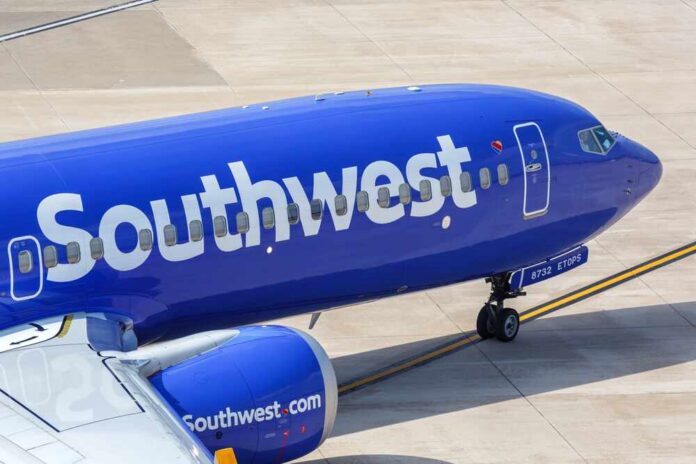
A major airline is facing backlash after a flight attendant was accused of cheering on political violence against President Trump in a string of inflammatory social media posts.
Quick Take
- Screenshots circulating online accuse Southwest flight attendant Michele Carpino of posting “WE NEED BETTER ASSASSIN’S!” shortly after a thwarted attack incident tied to the White House Correspondents’ Dinner.
- The posts were amplified by Libs of TikTok and reported by the New York Post, but the original content was later deleted—leaving the public reliant on screenshots.
- As of May 2, 2026, no public response from Southwest, no confirmed termination, and no announced law-enforcement investigation were reported in the available sources.
- The episode lands amid heightened sensitivity to threats against Trump and a growing debate over how far employers should go policing political speech by customer-facing staff.
Alleged Posts Spark Outrage After a Thwarted Attack Incident
Reports circulating on May 2, 2026, describe a Southwest Airlines flight attendant, Michele Carpino, allegedly posting on Facebook, “Oh please sweet baby Jesus, WE NEED BETTER ASSASSIN’S!” shortly after an incident in which a man identified as Cole Allen was stopped by the Secret Service after breaching or attempting to breach the White House Correspondents’ Dinner event. The original post was later deleted, but screenshots were widely shared and triggered calls for accountability.
Online reaction intensified because the post was framed as praise for political violence rather than political criticism. The reporting also describes earlier anti-Trump statements attributed to the same employee, including a 2024 comment about waking up to Trump’s obituary and other hostile rhetoric aimed at Trump supporters and immigration enforcement. The available sources do not confirm the authenticity of the screenshots independently, and they do not include a public statement from Carpino addressing the allegations.
Southwest’s Silence Leaves Key Questions Unanswered
As of the reporting cited, Southwest had not publicly confirmed whether it investigated the posts, placed the employee on leave, or took disciplinary action. That silence matters because airlines run on public trust, and flight attendants occupy a uniquely customer-facing role where passengers expect professionalism and basic safety. Without verified corporate action, the story has largely played out in public—through viral reposts, boycott threats, and demands that the company clarify its standards.
The uncertainty also cuts both ways. Customers and critics on the right view the alleged language as beyond acceptable political speech, particularly given past assassination attempts and heightened security concerns. Others argue that punishment for online comments can become a moving target shaped by social media mobs. Because the underlying content was deleted and the sources rely on screenshots, a complete factual record—what was posted, when, and by whom—remains limited in the information currently available.
A Legal and Cultural Backdrop: When Rhetoric Becomes a “Threat”
This controversy is unfolding in a climate where the government has treated certain political slogans as potentially actionable. The research notes a precedent involving former FBI Director James Comey’s “86 47” post and a subsequent indictment dated April 28, 2026, under Acting Attorney General Todd Blanche. That context is important because it suggests officials are drawing sharper lines between harsh political expression and language interpreted as advocating harm to a sitting president.
At the same time, the First Amendment does not obligate private companies to keep employees who damage the brand or appear to create a hostile environment for customers. That tension—between free speech in the public square and professional expectations at work—has been escalating for years, especially as politics has become intertwined with corporate culture. The research does not show any announced federal investigation into the Southwest employee, so legal outcomes remain speculative.
Why Airlines Are Especially Vulnerable to Political Boycotts
Airlines are high-visibility brands with thin margins and fierce competition, which makes them sensitive to reputational hits. The research compares today’s backlash atmosphere to past consumer revolts against brands and points to earlier airline-related controversies over employee speech. In an era where Americans already feel squeezed by inflation, travel costs, and institutional dysfunction, passengers have less patience for companies that seem to tolerate extremism from staff.
Southwest Airlines Under Fire After One of Their Flight Attendants Calls for President Trump’s Assassination in These Absolutely Sick Social Media Posts
READ: https://t.co/avRbQ1eejZ pic.twitter.com/M8NLaXjMsk
— The Gateway Pundit (@gatewaypundit) May 2, 2026
Southwest also has a documented history of disputes touching employee speech and discipline, including a 2021 settlement involving a flight attendant fired after private messages, as summarized in one of the provided sources. That precedent hints at a familiar endgame: corporate discipline followed by union or legal pushback. For voters across the spectrum who already believe “elites” protect their own and punish ordinary people unevenly, this story becomes another test of whether rules are applied consistently.
Sources:
Southwest Airlines flight attendant called for Trump’s assassination in sickening social media posts
Southwest Airlines Pays $500K To Flight Attendant Fired For Social Media Photos