

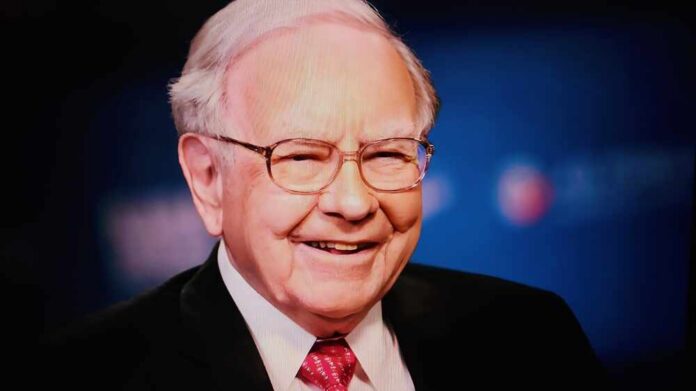
Berkshire Hathaway just posted profit growth that would make Washington’s “managed economy” crowd blush—right as Warren Buffett’s succession plan moved from theory to reality in front of thousands of shareholders.
Quick Take
- Berkshire Hathaway reported profits doubling year over year as shareholders poured into Omaha for the company’s annual meeting.
- The meeting underscored a rare corporate culture built on patient capital, cash discipline, and shareholder transparency—values many voters feel government has abandoned.
- Buffett’s transition plan elevated Greg Abel into sharper focus, shifting attention from one legendary allocator to the next.
- Analysts highlighted Berkshire’s massive cash position and the company’s decision to pause buybacks amid valuation concerns.
Profits Double as Omaha Meeting Puts Berkshire Under a Spotlight
Berkshire Hathaway’s latest results showed profits doubling compared with the prior year, landing as tens of thousands of shareholders gathered in Omaha, Nebraska, for the company’s annual meeting. The event—often nicknamed the “Woodstock for Capitalists”—pairs financial disclosures with hours of leadership Q&A. Specific subsidiary figures cited in coverage included gains at consumer businesses such as See’s Candy, alongside improvements at other operating units.
The timing matters because Berkshire’s meeting is one of the few places where everyday investors can hear, in plain language, how capital decisions get made across insurance, railroads, energy, and consumer brands. In an era when many Americans suspect institutions are run for insiders, Berkshire’s format acts like a public stress test: shareholders arrive with questions, management answers for hours, and the numbers either support the story—or they don’t.
Cash Discipline, Not Buzzwords, Drives the Berkshire Model
Berkshire’s rise from a struggling textile business into a sprawling conglomerate is tied to long-term investing and the steady “float” generated by insurance operations. That conservative approach has given the company resilience during high interest rates and uncertain growth. Reports surrounding this year’s meeting emphasized that Berkshire’s cash pile has become a central topic, especially as the company has been selective about major acquisitions and cautious about repurchasing shares.
That restraint stands out against the broader national backdrop of chronic federal deficits and politically driven spending fights. Berkshire’s posture is essentially the opposite of “spend now, explain later.” For conservative readers, the parallel is hard to miss: a private company is emphasizing valuation, cash, and durability while Washington debates yet another round of fiscal brinkmanship. The meeting’s attention on cash deployment signals discipline, but also pressure to act wisely.
Succession Becomes the Story: Greg Abel Steps Further Forward
Coverage and analyst commentary around the meeting also focused on leadership transition, with Greg Abel positioned as successor and facing heightened scrutiny. Berkshire has long been associated with Buffett’s reputation for patient decision-making, and any shift raises understandable questions about how the next era will feel. The immediate issue is not ideology, but governance: shareholders want to know whether the company’s culture can survive when the founder’s authority is no longer the final word.
Analysts noted concerns about valuation and reported that Berkshire has not been buying back shares recently, reflecting management’s view that the stock is not a bargain at current prices. That detail matters because buybacks are one of Berkshire’s key tools for returning value when opportunities elsewhere look less compelling. If buybacks remain limited, investors will likely watch even more closely for capital allocation moves—deals, reinvestment in operating companies, or simply holding cash until prices make sense.
What This Signals for Markets—and Why It Resonates Beyond Wall Street
Berkshire’s profit jump and high-attendance meeting arrive at a moment when Americans across the political spectrum are skeptical of elite competence. The company’s appeal is that it sells a simple promise: follow the math, avoid fads, and don’t gamble with other people’s savings. That message resonates with many conservatives who are tired of subsidized “green” projects, costly mandates, and inflation that punishes retirees and workers living on fixed incomes.
Berkshire Hathaway's profits double as shareholders gather for the annual meeting on Saturday https://t.co/UD3n31Dtp2
— The Washington Times (@WashTimes) May 2, 2026
At the same time, the story also speaks to frustrations many liberals share about concentrated power and insider privilege—because Berkshire’s model, for better or worse, is a case study in how enormous pools of capital shape the economy. What remains unclear from the available reporting is how quickly leadership transitions will change Berkshire’s risk tolerance or deal-making. For now, the numbers are strong, the cash is enormous, and the post-Buffett era is no longer a distant headline.
Sources:
Berkshire Hathaway’s profits double as shareholders gather for the annual meeting on Saturday
Berkshire Hathaway: Our Five Key Takeaways From the Annual Meeting