
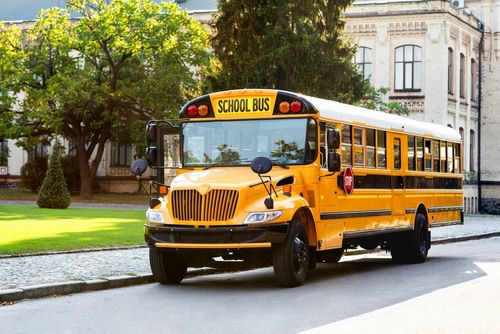
A Minnesota school bus driver was convicted of two misdemeanors for operating his vehicle while intoxicated, raising urgent questions about how such a reckless individual was entrusted with children’s safety in the first place.
Story Snapshot
- Anthony Stephen Israelson found guilty of driving a school bus drunk in Minnesota
- Incident occurred in 2024, with conviction finalized in May 2026
- Case highlights systemic failures in screening and monitoring school transportation personnel
- Parents and children put at risk due to inadequate oversight of public employees
Drunk Behind the Wheel of Children’s Lives
Anthony Stephen Israelson was convicted of two misdemeanors for driving a school bus while intoxicated in Minnesota. The incident took place in 2024, but the conviction was only finalized in May 2026, demonstrating the slow pace of justice. Israelson’s actions endangered the lives of countless schoolchildren who trusted him to transport them safely. The case raises fundamental concerns about accountability in government-run transportation systems and whether existing screening processes adequately protect our most vulnerable citizens from negligent public employees.
Brickbat: Who's Gonna Drive You Home? https://t.co/6pd4WG8zHV
— reason (@reason) May 1, 2026
System Failures Enable Dangerous Misconduct
The conviction exposes critical weaknesses in how school districts monitor and supervise their drivers. Minnesota law imposes strict penalties for operating commercial vehicles under the influence, particularly school buses carrying children. Yet Israelson managed to get behind the wheel intoxicated, suggesting either inadequate pre-employment screening or insufficient ongoing monitoring. Parents entrust their children to these drivers daily, expecting basic competence and sobriety. When government-run systems fail to provide even these minimal standards, it undermines public confidence and demonstrates how bureaucratic inertia prioritizes process over protection.
Limited Accountability and Lingering Questions
Details surrounding Israelson’s sentencing, the specific circumstances of his impairment, and whether children were aboard during the incident remain unclear. The lack of comprehensive reporting suggests the case received minimal attention from local media and authorities. This opacity is troubling for concerned parents and taxpayers who fund these transportation systems. The misdemeanor classification, while appropriate for legal standards, may seem insufficient given the potential catastrophe narrowly avoided. School districts must implement stricter oversight, including random drug and alcohol testing for all drivers entrusted with students.
Broader Implications for School Transportation Safety
This case underscores a nationwide problem of inadequate vetting and supervision in public school transportation. Similar incidents across the country reveal a pattern where government bureaucracies prioritize union protections and administrative convenience over child safety. Families deserve assurance that every individual transporting their children meets rigorous standards and faces immediate consequences for violations. The slow-moving justice system and limited public accountability in this case exemplify how entrenched interests shield incompetent or dangerous public employees from swift removal, leaving children vulnerable to preventable risks that no parent should tolerate.
Sources:
Brickbat: Who’s Gonna Drive You Home? – Reason Magazine
Brickbat: Who’s Gonna Drive You Home? – Inkl