

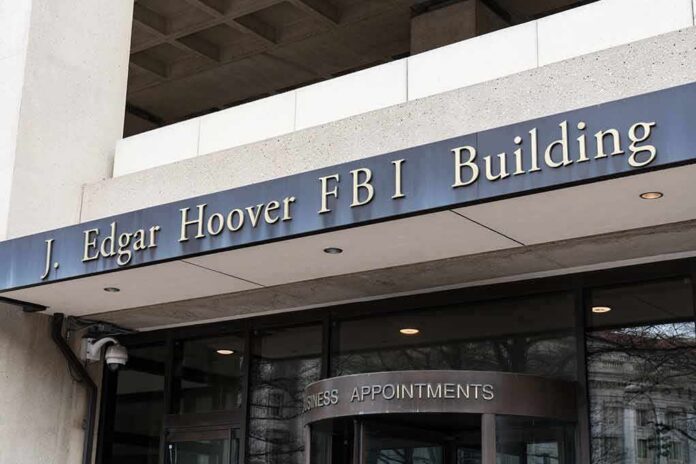
A former Federal Bureau of Investigation supervisor pleaded guilty to stealing $2.47 million in cryptocurrency from FBI-linked cases, exposing a stunning insider breach of public trust.
Story Highlights
- Prosecutors say Patrick Yaroch used FBI access to drain crypto from wallets tied to investigations.
- The theft spanned more than 100 transfers and about $2.47 million, according to reports citing court filings.
- Cases touched included 35 separate investigations and even an undercover FBI wallet, per reporting.
- Yaroch faces up to 20 years in prison and agreed to at least $2.4 million in restitution and forfeiture.
Guilty Plea Confirms Insider Crypto Theft From FBI-Linked Wallets
The U.S. Attorney’s Office for the Eastern District of Virginia announced that former Federal Bureau of Investigation agent Patrick Yaroch pleaded guilty to wire fraud and money laundering after using his access to steal cryptocurrency from wallets connected to federal investigations. Prosecutors said he tapped into credentials stored in Federal Bureau of Investigation systems and moved funds into his personal wallet. A Department of Justice Inspector General release detailed how he used classified databases to identify accounts before the transfers. An arrest is not a conviction, but he has now admitted guilt.
Contemporaneous coverage, citing information tied to the plea, reported more than 100 transfers and a total loss of $2,474,380.66, reflecting a pattern of repeated thefts rather than a one-off act. Reports further said at least 35 investigations were affected, including wallets held by investigation targets and one created by agents for an undercover operation. That detail matters for readers because it links the criminal conduct to real cases where evidence handling and chain of custody must be beyond question to protect due process.
Assignments With National Security Ties, But No Classified Disclosures Alleged
The Department of Justice stated Yaroch served on a Boston Division squad focused on an adversarial nation from 2017 through early 2025, then worked in Counterintelligence and Espionage from February 2025 through July 31, 2026. Those roles explain why he had broad access to sensitive systems. However, available reporting noted he was not accused of disclosing classified information in this case, which narrows the confirmed harm to theft and unauthorized access to seized or operational assets rather than exposure of specific intelligence sources or methods. That is still serious misconduct and a breach of public trust.
Earlier documents referenced about $1 million across approximately 10 transfers, while later plea-related accounts reported about $2.47 million and more than 100 transfers. The public record does not fully explain the shift, which could reflect an expanded investigation or additional admissions over time. The bottom line for readers is simple: the government now pegs the scale far higher than first described, and the plea locks in accountability for a larger fraud footprint.
Why This Matters For Accountability, Taxpayers, And Conservative Priorities
Stolen funds from investigation-linked wallets are not “victimless.” Taxpayers rely on clean evidence handling, honest agents, and tight books. When an insider skims seized digital assets, every case they touch is at risk. Defense lawyers can attack the chain of custody. Victims may wait longer for restitution. Courts may question key steps. That is why prosecutors sought serious penalties and a forfeiture judgment matching the loss, and why this plea is an important step to restore order.
Federal reviews have flagged weak spots in how agencies inventory and safeguard seized cryptocurrency, including gaps in tracking, policy conflicts, and custody practices that make insider abuse easier to hide. The Department of Justice’s own policy manual directs agencies to use government-controlled wallets for temporary storage before transfer to the United States Marshals Service, but execution has lagged as digital seizures grow. Conservatives expect better: least-privilege access, two-person controls, hard audits, and fast referrals for crimes. President Trump’s team must press every bureau to lock this down now.
What To Watch Next: Sentencing And System Fixes
Sentencing will test how the court weighs the admitted scope of fraud against the damage to multiple cases and the signal it sends to other insiders. Yaroch faces up to 20 years in prison under the statutes charged. Restitution and forfeiture at or above $2.4 million aim to claw back what can be traced. Readers should expect tighter access logs, stronger segregation of seized wallets, and clearer audit trails across the Department of Justice. Congress and inspectors general should verify that these fixes happen, not just appear on paper.
This case shows why limited government must also be accountable government. Agents carry power that demands strict oversight. Digital assets make theft fast and quiet. The answer is not more bureaucracy. The answer is clear rules, real audits, personal accountability, and fast removal of anyone who breaks the public trust. The guilty plea is a start. The needed reforms will prove whether Washington learned the lesson or plans to repeat it.
Sources:
reason.com, justice.gov, oig.justice.gov, wusa9.com, edition.cnn.com, nbclosangeles.com, congress.gov