

Police say a Florida man weaponized peanut butter in the mail against a woman with a known, life‑threatening allergy, turning a petty grudge into a criminal case.
Story Highlights
- Plantation Police arrested a 68-year-old man accused of mailing a peanut-butter-smeared card to his ex-wife’s friend with a severe allergy.
- Investigators say the victim developed hives and tingling after opening the greasy blue envelope and handling the card.
- The suspect faces charges of aggravated battery with a deadly weapon and culpable negligence, according to local reporting.
- Police reports describe mail-tracking details and photos that allegedly tie the mailing to the suspect.
Arrest Tied to Alleged Allergen Assault by Mail
Plantation Police in Broward County arrested Joseph Gerard Cancellare Jr., 68, after they say he mailed a greeting card smeared with peanut butter to a woman with a severe peanut allergy. Reports state the woman is the best friend of his ex-wife. Police say the act was deliberate and dangerous. The suspect now faces charges that include aggravated battery with a deadly weapon and culpable negligence, based on local reporting that summarized the police affidavit and booking records.
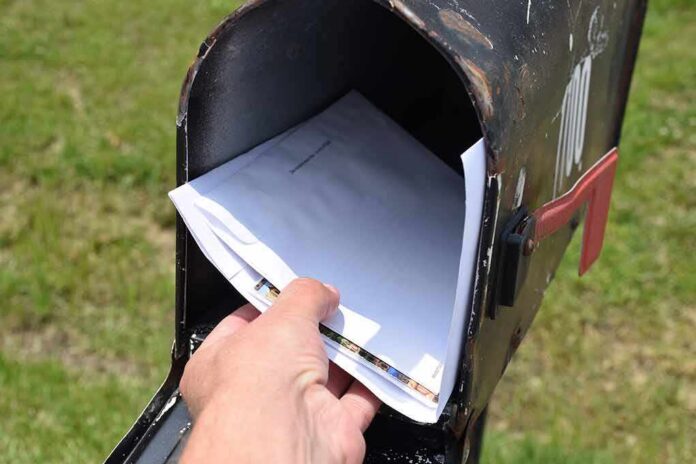
Investigators say the card arrived in a blue envelope that looked greasy when the woman pulled it from her mailbox. The woman opened the envelope and saw a brown, oily paste. She recognized it as peanut butter, dropped the card, and washed her hands. Police say she later developed hives on both arms and tingling that lasted several hours, which she reported to officers and medical staff who documented her symptoms in the case file summarized in local reports.
Evidence Cited by Police and Reported Charges
Local coverage that cites the Plantation Police probable-cause affidavit says detectives traced the mailing through postal stamp details and kiosk images that allegedly show the suspect connected to the transaction. Outlets report that police also documented the greasy blue envelope and the smeared card, which matched the victim’s account of what she handled that day. Based on those findings, officers arrested Cancellare and booked him into the Broward County Jail on the listed charges.
Reporters who reviewed the police narrative say the case stems from a personal grudge. The suspect allegedly blamed the victim for his divorce and targeted her with a substance known to be dangerous to her. Prosecutors often treat a known allergen as a harmful agent when intent and knowledge are alleged. That framing explains the aggravated battery with a deadly weapon count noted in multiple local reports, which reflects the potential to cause serious harm even without a knife or gun.
Why This Matters: Safety, Accountability, and the Rule of Law
Allergies can be lethal, and using them as a weapon crosses the line from a spiteful act to a criminal threat. Conservative readers understand that law and order protects everyday people from targeted harm. Police say this was not a prank gone wrong. They allege a deliberate choice to send a hazardous substance to someone known to be vulnerable. When intent and danger meet, charges should follow. That is how a safe community draws firm lines and defends victims who did nothing more than check their mail.
Research shows that using allergens to bully or intimidate is a real and documented behavior, especially among youth, and it carries both physical and emotional risks. Studies and advocacy groups have reported incidents where allergens are waved at, smeared on, or slipped toward victims to scare or harm them. That broader record explains why police take these cases seriously and why prosecutors may pursue tough charges when facts support intent and exposure risk. The law must treat these tactics as threats to health and peace.
What Comes Next in the Case
The charges now move into the courts, where prosecutors must prove identity, knowledge, and intent beyond a reasonable doubt. The defense will have its chance to respond. Local reporting indicates the alleged incident occurred in 2025, with an arrest in November 2026, after police gathered evidence that they say links the suspect to the mailing. As the case proceeds, the focus will be on the physical evidence, the postal records, and the victim’s reported symptoms documented by police.
For families who deal with severe allergies, this case is a blunt reminder: the mailbox, the lunchroom, and the workplace can all be vectors for harm when bad actors target known medical risks. Personal responsibility and simple decency should stop that. When they do not, strong enforcement must. President Trump’s administration has pledged order and accountability; local officers and prosecutors now carry that duty at the street level. No one should fear opening their mail because someone held a grudge.
Sources:
cp24.com, local10.com, tampafp.com, focalnews.org, cw34.com