
A grand jury indicted a retired New York City detective for murder after a deadly road encounter on the George Washington Bridge, raising urgent questions about use of force on crowded roads.
Story Snapshot
- Investigators say two vehicles nearly collided before a fatal shot was fired on the bridge.
- Surveillance helped police identify the suspect vehicle and link it to Victor Romero.
- A bullet hole in the rear glass suggests the shot came from behind or alongside.
- A grand jury later upgraded the case to a second-degree murder indictment.
What Police Say Happened On The Bridge
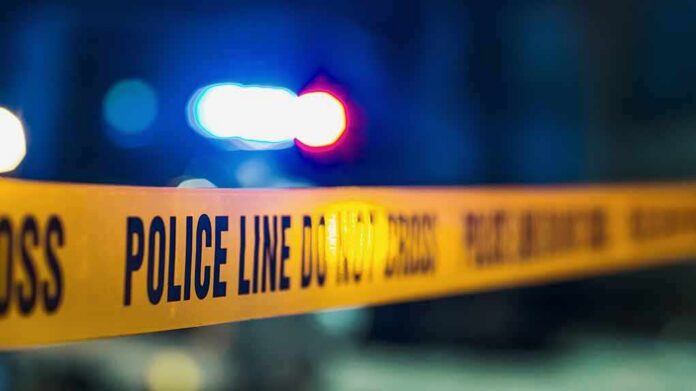
Investigators said a near-collision on the upper level of the George Washington Bridge set off the chain of events. The incident happened around 7:18 p.m., while traffic moved toward New Jersey, where any bad decision could quickly turn deadly in tight lanes. Officers found the driver, Koran Irvine, unconscious behind the wheel after his car continued forward and crashed. Police described a roadway conflict, not a stop on the shoulder or a static scene.
Detectives moved fast using bridge cameras and other surveillance. Reports say video captured a black Range Rover at the scene. Investigators linked that vehicle to retired New York City detective Victor Romero and brought him into custody shortly after the shooting. The New York Daily News also reported the same camera trail. That chain of surveillance gives the case a firm timeline anchored to actual footage, not only witness memory.
Physical Evidence And The Shot’s Direction
Police sources said the bullet passed through the rear windshield or a rear passenger window and struck Irvine in the shoulder. That detail suggests the firearm was behind or beside Irvine’s car at the time of the shot. It does not by itself prove intent or self-defense. It does place the muzzle and target in motion, which raises risk to every family on that bridge. The specific angle and distance remain key facts investigators will map using forensics.
Officials have not released the full surveillance video, 911 audio, or a complete forensic record. Without those records, the public cannot see frame-by-frame timing, vehicle speeds, or whether anyone tried to break contact before the shot. Prosecutors and police both referenced video, but they have shared only summaries in court filings and media briefings so far. That leaves room for debate until a jury sees and weighs the full record.
Charges, Motive, And The Legal Stakes
Authorities arrested Romero and at first pursued manslaughter. After more review, a Manhattan grand jury indicted him for second-degree murder, which carries a far heavier penalty if proven. News reports described the case as a likely road-rage shooting. The New York Police Department said the incident appears tied to road rage, but emphasized that investigators would determine the final motive as evidence develops. An indictment is not a conviction, but it signals prosecutors see intent or extreme recklessness.
The defense has not laid out a full public claim of self-defense. New York law allows deadly force only when a person reasonably believes it is needed to stop the use or imminent use of deadly force by another person. Jurors often ask two hard questions: who started the fight, and could the shooter have safely disengaged? Those questions become even sharper when cars move at speed, where a single round can harm many people, not just one driver.
Families, Roads, And A Growing Highway Threat
Irvine’s family called the act reckless and intentional, saying the video is clear and shows pursuit before the shot. Prosecutors have echoed parts of that account in court, describing aggressive tailgating and a shot fired from the side window. Those are allegations that the trial must test. Still, they match the known physical clue: a bullet path from the rear or side of the victim’s car. The court will sort claim from proof. The community wants answers and accountability either way.
Road-rage shootings have surged nationwide over the last decade, turning small traffic slights into lethal events far too often. One analysis found people shot in road-rage incidents jumped from 92 in 2014 to 481 in 2023, with thousands injured or killed during that span. These cases hit close to home because any family can be in the wrong lane at the wrong second. That is why facts, video, and a full forensic map must guide justice here—not headlines, and not rumors.
Sources:
nypost.com, nbcnews.com, lohud.com, abcnews.com, freep.com, nydailynews.com, fox5ny.com