
Federal regulators just proved that Big Tech’s “free market” sales pitch comes with hidden strings, trapping shoppers in subscriptions they never meant to buy.
Story Snapshot
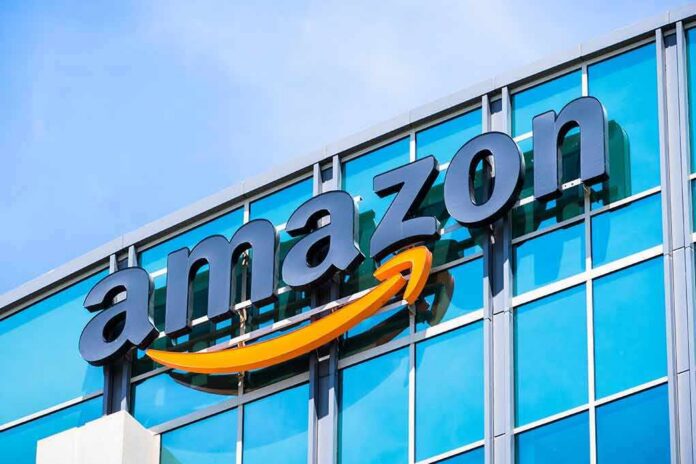
- The Federal Trade Commission (FTC) accuses Amazon of enrolling millions in Prime subscriptions without clear consent and making cancellation deliberately hard.
- The FTC and 18 state attorneys general claim Amazon punished sellers who offered lower prices on other websites.
- The Department of Justice (DOJ) says Apple’s locked-down ecosystem makes switching phones costly and painful for everyday users.
- Defenders of these companies say consumers choose freely, but government lawsuits tell a very different, documented story.
Government Lawsuits Expose Deceptive Subscription Tricks
Big Tech loves to preach free-market gospel when it’s convenient, insisting customers simply vote with their wallets. But the FTC’s 2023 complaint tells a darker story. It accuses Amazon of using “dark patterns,” confusing interface tricks, to sign up millions for Prime without real consent, then making it needlessly hard to cancel. That’s not capitalism working. That’s manipulation dressed up as choice.
This isn’t an isolated gripe from one agency. A broader review of subscription services found that nearly 76 percent used at least one deceptive design trick, with two-thirds using more than one. When an entire industry leans on psychological tricks to keep customers locked in, conservatives should call it what it is: dishonest business practice, not the free hand of the market rewarding good service.
Amazon’s Market Power Goes Beyond Big Numbers
The FTC was careful to draw a line that conservatives should respect. The agency said it sued Amazon “not because it is big, but because it engages in a course of exclusionary conduct”. That distinction matters. Size earned through better products is the American dream. Size protected by punishing rivals and squeezing competitors is something else entirely, and it deserves scrutiny regardless of which party sits in the White House.
The lawsuit alleges Amazon punished sellers who dared offer lower prices on competing sites, undercutting the very price competition that free markets depend on. Independent sellers reportedly hand over 34 percent of their revenue in fees just to stay visible on the platform, according to an analysis from the Institute for Local Self-Reliance. That’s less like a marketplace and more like a toll booth with no detour road.
Apple’s Walled Garden Locks in Customers
Apple faces its own reckoning. The DOJ’s complaint alleges that switching away from an iPhone means losing content, time, and money, a built-in cost designed to keep users trapped rather than genuinely satisfied. A Stanford Law Review analysis goes further, arguing Apple’s grip on hardware, software, streaming, and advertising lets it manipulate prices and choke off innovation that would otherwise benefit consumers.
Conservatives value limited government and distrust regulatory overreach for good reason. Washington has a long history of picking winners and losers under the banner of “fairness.” But protecting consumers from deception and punishing companies that rig the game against rivals isn’t big-government overreach. It’s basic rule-of-law enforcement, the kind that keeps real capitalism honest instead of letting a handful of corporations write their own rules.
The lesson here isn’t that markets failed. It’s that some of the biggest players stopped competing and started cheating, then hid behind the language of consumer choice when regulators came knocking. Free markets only work when everyone plays by the same rules. Americans who cherish liberty and limited government should want those rules enforced evenly, especially against companies too big to fear real consequences.
Sources:
search.ftc.gov, ftc.gov, justice.gov, ilsr.org