
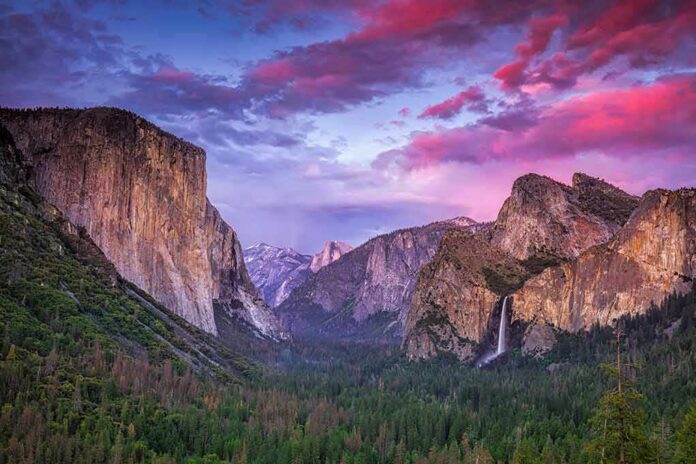
As a powerful Sierra storm pounded Yosemite, climber Sasha DiGiulian spent nine days in a wall tent 2,600 feet up El Capitan before finishing the historic route.
Story Highlights
- DiGiulian waited out snow, ice, and rain on a small hanging tent high on El Capitan.
- She and partner Elliot Faber chose to remain on the wall during a brief clearing.
- Multiple outlets report nine storm days within a 23-day ascent.
- The climb ended in a successful free ascent of El Capitan’s longest route.
Nine Days on a Wall as California’s Storms Hammered Yosemite
Outside magazine recorded Sasha DiGiulian describing nine days in a four-by-six-foot portaledge during a fierce Sierra storm. She was about 2,600 feet off the valley floor on El Capitan’s Platinum Wall. She reported snow, ice, and rain blasting the wall, soaking gear and freezing fingers. The San Francisco Chronicle and other outlets also described intense rain and ice cycles that turned the granite into a slick sheet for days, leaving the team in place until conditions eased.
Climbing magazine reported that DiGiulian and partner Elliot Faber reached Gold Ledge near pitch 31 and considered descending. They saw a brief weather window. They decided to stay and protect the climb. The storm closed in again. Snow piled onto the shelter as the pair held tight, then later resumed the route when the wall began to dry. That choice shows sound risk control under pressure rather than panic.
What the Reporting Confirms About the Timeline
CBS News reported a 23-day effort that included nine days stuck by bad weather before DiGiulian completed El Capitan’s longest free route. The broader accounts align: a long push, a major storm delay, and a final send when conditions allowed. Some stories do not list exact start and stop times for the nine-day delay. But all agree the team paused for days on the wall and finished once the rock was safe enough to climb.
People magazine and other outlets described hammering rain, hail, and freezing spray that soaked their ultralight wall tent and gear. Reports also mention thunder and lightning in the system that rolled across the Sierra. Those details match what climbers often face on El Capitan in shoulder seasons. Wet granite becomes treacherous. Moving up or down can be more dangerous than waiting for a drying spell.
Risk, Judgment, and Why Waiting Was the Safer Call
Climbers on big walls make hard choices when storms hit. The safe move is often to stop, anchor well, and ride it out. The American Alpine Club has documented past Sierra storms that stranded parties high on El Capitan. Some teams needed rescue, and some climbers died from hypothermia when exposed on the wall. In this case, DiGiulian and Faber used a proper portaledge and fly, rationed supplies, and resumed only when the wall allowed progress.
Climber trapped on Yosemite’s El Capitan for nine days when massive storm hit California https://t.co/24z17PLF26 @californiapost
— Joel Pollak (@joelpollak) November 16, 2026
For many readers, nine days on a tiny ledge sounds impossible. But big-wall climbing expects that risk. The pair managed the storm and protected their objective. Their decision not to rush a descent during a short break likely reduced danger to themselves and to rescuers who might have been called if things went wrong. Once the stone dried enough, DiGiulian completed the free ascent, marking a major benchmark for the route and for the sport.
Sources:
nypost.com, people.com, attackofthefanboy.com, el-balad.com, outsideonline.com, storre.stir.ac.uk