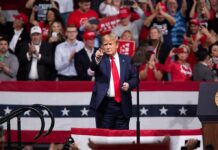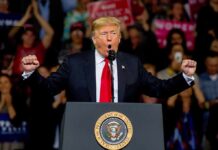

CNN’s Jake Tapper blasted new government “love your country” ads as political, even though they carry a clear “Paid for by the U.S. Government” label and the White House says they are public service messages, not campaign spots.
Story Snapshot
- White House says the Trump ads are patriotic public service announcements, not campaign ads.
- Spots include on-screen disclaimer: “Paid for by the U.S. Government”.
- Ad spending estimates range from about $1.5 million to $1.7 million so far.
- CNN figures say the ads look like campaign material; some Republicans raised cost concerns.
What The Ads Are And Why They Ran
ABC News reported that the White House calls the videos “educational public service announcements” that remind Americans to love their country and defend it. The federal government disclaimer appears at the end of each aired spot. That label is common for public service announcements from both parties. The Associated Press also described the administration’s defense in similar terms, noting the messages follow a tradition of policy-focused government communications.
AdImpact, a respected ad-tracking group, estimated that the government spent at least $1.7 million to air three television spots featuring President Trump in recent days. The Associated Press placed the broader total near $1.5 million as scrutiny grew. Those figures suggest a significant, but not unheard of, outlay for wide national reach during football and news programming, where television inventory is costly and demand is high.
Why Jake Tapper And Others Are Complaining
CNN coverage argued the ads look like 2024 campaign content and reported that President Trump influenced imagery choices. That reporting fueled claims that the messages crossed a legal or ethical line. Another CNN piece said the administration created at least a dozen similar videos, which critics pointed to as proof of a coordinated political push. These arguments rest on similarity to past campaign themes and timing near midterms, rather than a court or agency finding of illegality to date.
NPR commentary described one spot as essentially a past Trump campaign ad with a new taxpayer-funded disclaimer. Two senior Republican senators praised the message but said taxpayer money should not pay for it. CNN reported that Senate Republicans blocked a Democrat-led resolution that condemned the spending, showing a split between policy support and funding concerns. That mix reflects a common Washington fight over where public education ends and politics begins.
What The Law And Rules Actually Target
Federal appropriations riders have long barred using public money for “publicity or propaganda.” Ethics rules, including the Hatch Act, limit partisan activity by government workers. Disputes often hinge on content, placement, and timing. PolitiFact’s roundup captured this tension: experts debated whether the ads inform the public about national direction or aim to sway an election. Until an inspector general, the Government Accountability Office, or a court rules, these remain claims and counterclaims, not settled violations.
🚨 NOW: THE WHITE HOUSE IS DEFENDING ITS TAXPAYER-FUNDED TV ADS FEATURING PRESIDENT TRUMP
One of the ads features Trump saying:
“Together we will defeat communism, socialism and Marxism in America. America will never be a communist country.”
The advertisement is labeled “Paid… pic.twitter.com/qOXir7ceCQ
— The Golden Age (@QAceofTruth) October 4, 2026
For conservatives, the core question is simple: can the government encourage patriotism and explain policy without media calling it propaganda? The White House says yes, pointing to clear labels and a patriotic, nonpartisan theme. CNN’s framing says no, stressing similarity to campaign material and election timing. Voters can see the spots themselves and judge. If watchdogs open a case, that process should run in the open, with transparent standards that apply to every administration, not just this one.
What To Watch Next
Watch for formal reviews, not just hot takes. If the Government Accountability Office, an inspector general, or Congress seeks documents on planning, appropriations, or placement, that will show whether the buys met legal limits. Also watch future White House spots. If they stay focused on civic themes and clear policy aims, the public service case grows stronger. If agencies issue guidance updates, that could set new rules so future presidents, of either party, face the same fair line.
Sources:
townhall.com, cnn.com, usatoday.com, nbcnews.com, nytimes.com, english.elpais.com