
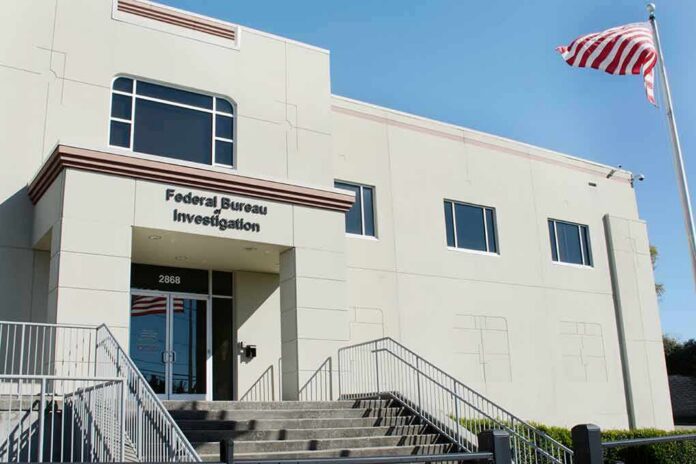
Federal agents reported 8,900 arrests and 1,410 child victims located after a summer surge that hit gangs, drug traffickers, and child predators nationwide.
Story Highlights
- FBI reports 8,900 arrests and 1,410 child victims located during Operation Summer Heat 2.0
- Louisiana operation logged 662 arrests, 315 guns, and 207 kilograms of drugs seized
- Maryland–Delaware sweep captured 109 fugitives tied to violent and child-exploitation crimes
- Campaign ran June 1–August 31, with results announced in September
Nationwide Tally From Summer Surge
FBI Director Kash Patel said Operation Summer Heat 2.0 led to about 8,900 arrests across the country, with agents locating or identifying 1,410 child victims, and seizing thousands of firearms and large drug loads. Patel’s comments came in late September as agencies detailed the summer campaign’s results following the June 1 to August 31 push. Reported figures also included several thousand federal indictments and more than 5,000 firearms seized during coordinated actions aimed at gangs and transnational drug traffickers.
The operation targeted violent offenders, cartel-linked traffickers, and individuals who prey on children, according to coverage of Patel’s remarks and agency summaries. Federal teams focused on firearms crimes, narcotics pipelines, and child exploitation networks that damage communities. Officials framed the campaign as a result of moving more agents into the field and working shoulder to shoulder with sheriffs, state police, and local departments to pursue the worst offenders during the summer months.
Louisiana Results Underscore Guns, Drugs, and Gangs
In Louisiana, the Federal Bureau of Investigation (FBI) and the Drug Enforcement Administration (DEA) announced 662 arrests, 315 guns seized, 207 kilograms of drugs taken off the street, and more than $325,000 in cash confiscated. Leaders named included FBI Special Agent in Charge Jonathan Tapp, United States Attorney Kurt Wall, Louisiana Attorney General Liz Murrill, and senior officials from the Bureau of Alcohol, Tobacco, Firearms and Explosives and DEA, who detailed the coordinated work with parish sheriffs and city police departments.
Local reporting from Baton Rouge highlighted multi-agency raids that hit drug networks and gang‑tied suspects during the same period. Officers seized firearms and narcotics tied to trafficking routes, while working felony warrants that had stacked up in high-crime areas. The emphasis stayed on gun offenders, drug suppliers, and those with violent histories, reflecting the stated aim to reduce shootings and overdose deaths by focusing on the drivers of local harm.
Mid-Atlantic Fugitive Sweeps Focused on Violent and Child Crimes
In the Baltimore region, the FBI’s sweep led to 109 arrests across Maryland and Delaware, including suspects wanted for rape, child abuse, sexual assault of a minor, and child sexual exploitation. Regional coverage tied those arrests to the broader Summer Heat 2.0 campaign timeline in August, with agents and task force officers clearing serious felony warrants and removing fugitives tied to threats against children and families.
These Mid-Atlantic actions matched the national strategy: find violent fugitives, cut into drug and gun flows, and identify children at risk. Field offices leaned on partnerships with U.S. Attorneys, state prosecutors, and local police to move quickly on leads and open cases. The Maryland–Delaware numbers showed how the national totals came from dozens of similar local operations run under the same summer banner and rhythm.
Timing, Metrics, and What Comes Next
Agencies said the summer push ran from June 1 through August 31, with results rolled out in September briefings and press releases. Coverage of Patel’s remarks and field office reports aligned on that window, which helps explain the wave of announcements near the end of the month as teams compiled arrests, seizures, and victim identifications for public release. One report noted that the exact definition of “child victims located” was not spelled out in detail in accessible materials.
FBI Made Over 8,900 Arrests, Located 1,410 Child Victims Under Operation Summer Heat 2.0
👇https://t.co/3iF8JMP9tx— Stoned Ranger (@Stoned_Ranger_) October 3, 2026
For many readers, the bottom line is simple: dangerous people were arrested, guns and drugs were seized, and children were found and helped. That is what communities want from federal and local partners working together. Under President Trump, federal law enforcement is expected to keep pressure on cartels, gangs, and child predators. This summer’s numbers show that sustained field work, clear priorities, and teamwork can deliver real gains for public safety and family security.
Sources:
zerohedge.com, dea.gov, us.headtopics.com, breitbart.com, cmsapi.theepochtimes.com, wbaltv.com, theepochtimes.com, flvoicenews.com