
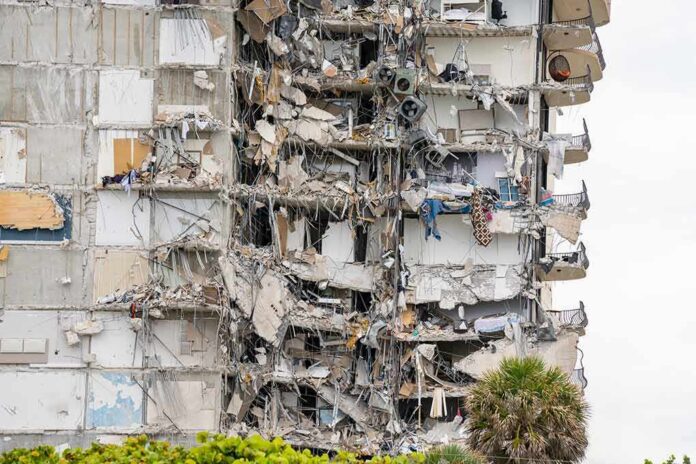
Scientists warned Venezuela not to build tall coastal towers on soft soil, but the government did it anyway—and people paid the price when the big quakes hit.
Story Highlights
- Associated Press reporting says officials ignored years of geological warnings before erecting coastal high-rises that later collapsed.
- Experts link the worst failures to soft soils, past mudslides, and concrete towers prone to swaying with quake waves.
- A senior Venezuelan planning official claims the quakes may have exceeded building codes and urges investigations.
- After 1967, codes were updated, but retrofits were unclear, leaving many residents exposed when the twin quakes struck.
Warnings That Went Unheeded Along La Guaira’s Coast
Associated Press investigators report that scientists told Venezuelan authorities not to build along La Guaira’s coastal strip because the ground was silty and quake-prone. Officials ignored that advice and approved tall concrete apartment blocks anyway. Those choices matched the exact risk profile experts feared. When major earthquakes struck in June, several public housing towers failed, and lives were lost in collapses that tracked with the known hazards of the site and structure types.
Reporters and engineers say the danger came from the ground and the buildings themselves. Soft alluvial soils amplify shaking and lengthen the motion’s period. Mid-rise concrete towers can then sway in step with the waves, stressing columns and floors. That pairing—loose soils and reinforced concrete frames—has produced deadly failures in past quakes around the world. In La Guaira, the soil history also includes floods and mudslides, which weaken foundations and raise failure risks during strong shaking.
What Experts Say Drove the Collapses
Engineering voices point to three linked factors. First, the location: soft, saturated ground and reclaimed land make shaking stronger and longer. Second, the design: many buildings were mid- to high-rise concrete with weak or open ground floors. Third, the oversight: rapid, politically driven building waves can sidestep deep soil studies and strict inspections. That mix is a recipe for tragedy when a strong quake arrives, as many structures were simply not matched to their ground conditions.
Reuters reports that specialists caution against snap judgments on every building. Case-by-case studies are still needed to explain why some towers stood while others pancaked. That is common in quake zones, where small design choices, construction quality, and site specifics can swing outcomes. Still, the broad pattern is clear enough: the worst-hit areas align with soft soils and known hazards, and the most fragile building types took the most damage, as engineers long warned.
Officials Push a Different Line, but the Record Still Points to Risk Blindness
Venezuelan planning official José Gregorio Rengel says the June double quake may have exceeded the nation’s codes in La Guaira and that many buildings could have met rules in place when they were built. He calls for full investigations into possible defects or violations. He also notes the country last updated seismic rules in 2019. Those are fair steps now, but they do not erase the years of warnings about soil and siting that preceded the construction push.
I’m old enough to remember all the high rises built by the Chinese in Venezuela that collapsed during the earthquake.
— TheRifleman (@TheRifleman11) September 26, 2026
Associated Press reporting after the quakes notes Venezuela did update codes after the deadly 1967 event. But it remains unclear how many buildings were ever retrofitted to meet tougher standards. That gap matters. Codes on paper do not save lives unless governments enforce them, builders follow them, and projects avoid bad sites. Housing pressure cannot trump basic physics. When leaders chase speed and headlines over hard engineering, ordinary families are the ones who suffer most.
Why This Matters for American Readers and U.S. Priorities
American communities face their own hard choices on land use, infrastructure, and safety. This disaster shows what happens when politics outruns engineering. Local leaders must respect hazard maps, fund soil studies, and enforce codes without carve-outs. Energy projects, housing, and bridges must fit the ground they stand on. That is not bureaucracy; it is stewardship. Strong families and free markets depend on honest governance that resists shortcuts and holds builders to clear, proven standards.
Bottom Line: Science First, Always
The facts on La Guaira show a stark lesson. Scientists warned about soft soils, fault risks, and tower resonance. The government built anyway, and towers fell when strong shaking hit. Officials now say the quakes may have topped code limits, and full probes are right. But the core truth stands: siting and soil are destiny in earthquakes. Putting politics before physics turns homes into hazards. A serious nation hears its engineers before it pours the first yard of concrete.
Sources:
youtube.com, apnews.com, latimes.com, abc.net.au, miamiherald.com