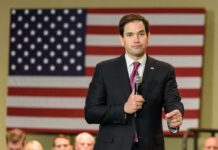


Each time Representative Ro Khanna blasts “hoarding wealth,” users answer with photos of his mansions and luxury life — and the receipts keep piling up.
Story Highlights
- Khanna pushes a billionaire tax while critics highlight his family’s large fortune and properties.
- Reports describe a $6 million Washington, D.C., mansion with a four-story elevator and plans for a larger home.
- Financial disclosures and reporting estimate family holdings well into nine figures, often through trusts.
- Khanna frames his stance as targeting concentrated power, not all wealth, and calls for a new social contract.
What Sparked The Backlash: Wealth-Tax Rhetoric Meets Luxury Lifestyle
Representative Ro Khanna has promoted a federal billionaire tax and a “next New Deal,” arguing that a small elite has captured too much wealth and power. He cites figures about billionaire wealth shares and says a five percent levy could raise trillions for health care, childcare, and education. As those messages spread, critics online and in the press counter with posts of his homes, cars, and family assets. That clash over tone and personal fortune is driving the current storm.
Washington, D.C., lifestyle reporting fuels the reaction. Coverage describes Khanna’s $6 million, 8,000‑square‑foot home, with a four‑story elevator and extensive marble finishes, which he has listed for sale while planning a move to a larger custom house nearby. That image, paired with “eat‑the‑rich” themes, gives critics an easy visual contrast. They argue the rhetoric punishes success while the messenger enjoys it. The photos become the argument.
The Numbers Critics Cite: Disclosures, Trusts, And Trading
Disclosures and reporting point to very large family holdings tied to his wife’s inheritance and family trusts. One summary of Khanna’s 2024 filing notes more than 3,000 assets and a possible range exceeding one hundred million dollars in value based on federal categories. Separate coverage emphasizes the trust structures and significant activity in the stock market. Those details feed claims that the family thrives inside a system Khanna says is rigged, sharpening charges of hypocrisy.
Critics also point to press accounts on trading volume and investment income. Reporting says the household’s transactions ran into the thousands in 2025 with dollar totals in the hundreds of millions, alongside sizable dividends and distributions. While disclosures use ranges and do not list exact totals, the scale alone is enough to ignite anger online. For many readers, that level of market action does not match a message that singles out “hoarding wealth,” even if the law allows it.
Khanna’s Framing: Targeting Concentrated Power, Not All Success
Khanna says his push is aimed at extreme concentration, not ordinary wealth. He argues that a small group wields outsize power and avoids accountability, and that a targeted tax on billionaires would fund a broader social contract. He links the plan to health care, education, and childcare, while presenting it as a way to balance gains from technology with wider opportunity. That defense tries to separate personal fortune from public policy, focusing on scale and influence.
Rep. Ro Khanna posted that billionaires in California are "hoarding wealth."
Then he deleted it.
I have the screenshot.
Why'd it disappear? Maybe because Ro is one of the richest men in Congress, with household assets reported somewhere between 69 and 167 MILLION dollars,… https://t.co/6ghBA1R5Qh
— mike bski (@BskiMike22802) September 28, 2026
Federal ethics rules explain why this fight keeps repeating. House guidance requires members to disclose the finances of spouses and dependent children, including assets held in trusts, which puts family wealth in the public record. Law does not require members to sell assets or stop lawful trading. That framework makes “hypocrisy” battles common in both parties. The disclosures feed the story; the law permits the conduct; the politics punish the optics.
Why It Resonates With Readers: Rules For Thee, Not For Me
Conservatives see a pattern: leaders demand more taxes while living large and using complex structures most families do not have. Many remember how high taxes, heavy rules, and elite carve‑outs drove people and capital out of states like California, shrinking the tax base and hurting jobs. When Khanna calls for new taxes on private success, and the internet shows marble floors and a bigger house on the way, the message rings hollow. People feel talked down to, not helped.
Policy fights matter more than posts, but tone matters too. Voters dealing with high prices want growth, affordable energy, and secure borders, not lectures from the wealthy about “fair shares.” If Washington wants trust, it should cut waste, stop new taxes, and grow paychecks. That path puts families first and keeps the American Dream alive. Until then, every time a politician scolds “the rich,” the internet will ask how they live — and whether the rules cut only one way.
Sources:
californiaglobe.com, finbold.com, freebeacon.com, nypost.com, celebritynetworth.com, ktnv.com