
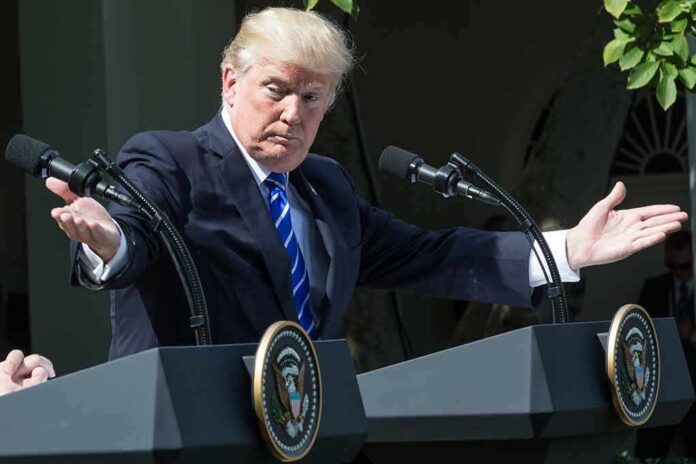
At the United Nations, President Trump warned Iran to choose a deal or face annihilation, underscoring that America will never allow a nuclear-armed Tehran.
Story Highlights
- Trump set a stark choice for Iran at the UN: make a deal or face annihilation.
- The White House framed the speech as proof that American strength and resolve are back.
- Trump urged nations to isolate Iran and defended recent U.S.-Israeli military pressure.
- U.S. and Iranian officials held a meeting on the sidelines after the speech, keeping a path for talks open.
Trump’s Ultimatum to Tehran at the UN General Assembly
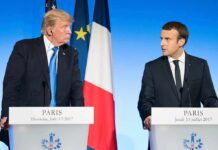
President Trump told world leaders in New York on September 22 that Iran faces a simple choice: agree to a deal or risk annihilation. He said he will never allow Iran to get a nuclear weapon. Multiple outlets reported the “annihilate” line, which set a clear red line for Tehran and a firm message for allies and rivals. The setting amplified the signal, as heads of state and diplomats from across the world watched from the General Assembly floor.
The warning came as the administration pressed its “peace through strength” agenda. The White House said American strength and resolve are back, and that the United States will defend its sovereignty, reject global control, and confront enemies. That framing fits the speech’s broad theme: push back on regimes that threaten the United States and its allies, while keeping an off-ramp open if they choose to negotiate in good faith.
Pressure Campaign, Military Context, and Diplomatic Door
Reports said Trump defended the U.S.-Israeli pressure campaign on Iran and urged other nations to cut off the regime’s economic lifelines. That call aimed to choke funding for malign activity and drive Tehran toward talks. He paired the threat with a diplomatic path, as The Associated Press reported U.S. and Iranian officials met after the address, showing that a channel for negotiation remained in place even as he raised the stakes publicly.
This approach mirrors a familiar model known as coercive diplomacy: pair a hard demand with a credible threat and a short timeline to force a decision. Analysts have long described U.S.-Iran standoffs in those terms, especially when Washington needs to signal resolve to several audiences at once. The risk rises during active conflict, but the mix of pressure and talks can also concentrate minds and speed movement toward a narrower deal.
Why the Message Resonates with U.S. Priorities
Trump’s message aligned with core American interests: stop nuclear proliferation, deter attacks on allies, and protect U.S. forces. He made clear that the cost of aggression will be higher than any benefit Tehran might seek. He also underscored that the United States will not bend to global bodies or socialist regimes that excuse terror sponsors. The White House summary highlighted promises to reject global control and forbid communism, reflecting a wider push against hostile ideologies.
The speech also appealed to leaders who value clarity. By stating the end state—no Iranian nuclear weapon—and the consequence—annihilation if there is no deal—Trump removed ambiguity. That can rally partners who want firm lines and unsettle adversaries who rely on confusion. It also set a public benchmark for any talks, making it harder for Iran to stall or blur terms while seeking sanctions relief or battlefield leverage.
What Comes Next: Isolation, Leverage, and a Narrow Path to De‑escalation
Next steps likely center on tighter economic isolation, continued military vigilance, and guarded diplomacy. Trump’s call for nations to isolate Iran puts pressure on banks, shippers, and energy buyers who still move Tehran’s cash. Each cut increases leverage at the table. The reported meeting after the speech suggests talks are not dead, but any deal will have to satisfy the clear condition that Iran cannot advance toward a bomb or threaten American forces and allies with impunity.
REPLAY: Trump defends Iran war, attacks ICC in UN speech https://t.co/6a17JgOHMJ
— Basia(folloW baCK) (@CindySun355457) September 24, 2026
Trump also criticized Cuba in the same address, linking Tehran with other regimes that oppose freedom and fuel instability. That linkage signals a consistent policy: stand with sovereignty and against socialism and terror. Supporters will see a needed course correction after years of drift and weakness. Detractors may focus on the sharp tone. But the policy test is simple: does pressure pull Iran toward a verifiable deal that ends the nuclear threat and reduces attacks? The administration says yes—and soon.
Sources:
abcnews.com, nbcnews.com, nytimes.com, apnews.com, tbsnews.net