
Ukraine hurled more than 1,000 drones at Russia as voters headed to the polls, with hundreds aimed at Moscow and a key refinery hit, according to officials.
Story Highlights
- Officials said over 1,000 Ukrainian drones targeted Russia, with hundreds bound for Moscow.
- Moscow’s mayor called it the largest attack on the capital; he said 450 inbound drones were intercepted.
- Russian authorities reported two deaths and damage at the Moscow Oil Refinery.
- Russia’s defense ministry claimed more than 1,100 drones were shot down across Russia and the Black Sea.
Scale Of The Strike And What Russia Confirmed
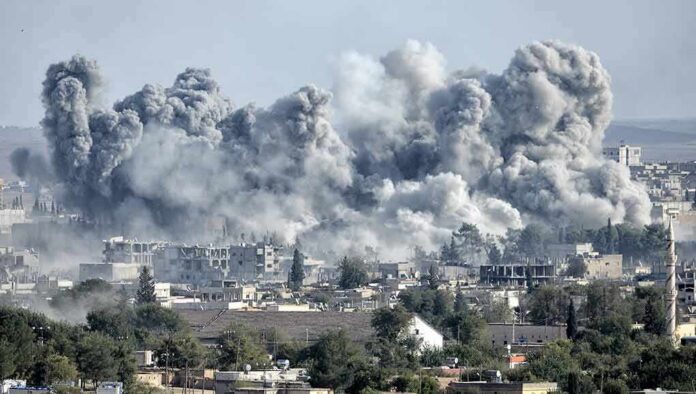
Officials and major outlets reported that Ukraine launched more than 1,000 drones overnight, with hundreds targeting Moscow as Russia wrapped up parliamentary voting. Moscow Mayor Sergei Sobyanin labeled it the largest attack on the capital and said air defenses intercepted 450 drones headed toward the city. Russian authorities said two people were killed in the wider Moscow region. They also reported damage at the Moscow Oil Refinery in the Kapotnya area.
Russia’s defense ministry said more than 1,100 Ukrainian drones were intercepted across Russia, Crimea, and the Black Sea during the same period. These figures come from official channels and wire services. Several reports noted that some drones still reached targets inside the capital, including the refinery, despite interceptions. Numbers varied across outlets, but the shared picture showed a massed strike that stressed defenses and struck energy infrastructure.
Timing, Targets, And Message
The attack landed as Russia’s three-day parliamentary election window closed, which is why some Russian officials framed it as an attempt to disrupt voting. The refinery hit matters because fuel supply is central to Russia’s war machine and economy. Hitting a refinery sends a signal about range and precision, and it forces Russia to spend more on air defenses and repairs. For months, both sides have used mass drones to pressure the other’s cities, ports, and power assets.
For American readers, this shows how cheap, long-range drones now shape modern war. Drones can be built at lower cost than missiles but still reach deep targets. They can overwhelm radars and batteries by sheer volume. That strain is the point. It diverts manpower, arms, and cash from frontline use. It also hits energy sites that fund war operations. Ukraine has leaned on this tool to bring the costs of war back to Russian soil and to test Moscow’s layered defenses.
Why This Matters For U.S. Policy And Security
U.S. taxpayers have funded parts of Ukraine’s defense and some strike enablers through allied backfills. When mass drone attacks hit refineries near Moscow, ripple effects can touch oil markets and global prices. Energy shocks squeeze American families already dealing with inflation from years of overspending and supply shocks. That is why the Trump administration stresses stable energy policy at home and tight oversight on any aid abroad. Americans should not pay higher gas prices because Russia’s war economy absorbs new hits.
This strike also warns U.S. planners. If drones can swarm Moscow, they can threaten any major city if defenses lag. That is a homeland security lesson. The United States needs strong airspace awareness, rapid jamming tools, and point defenses around refineries, power plants, and airports. Those are not “nice to have.” They protect jobs, supply lines, and everyday life. Conservatives value a strong defense and secure borders; that now includes counters to mass drones and other low-cost threats.
Competing Claims And The Known Facts
Russia’s numbers on drones intercepted and damage vary by outlet, but the common core holds: a record-scale strike, hundreds aimed at Moscow, two deaths reported, and a hit on the Moscow Oil Refinery. Russia’s defense ministry and the Moscow mayor provided most figures, which Western outlets carried. Independent verification of exact counts may follow later or not at all, which is common in wartime. The core facts above are consistent across the most reliable reports available today.
🚨 MASSIVE ATTACK: Ukraine launched a record-breaking drone strike targeting the Russian capital. Russian authorities say over 1,600 drones were intercepted, with 450 aimed at Moscow.
A major fire broke out at the Moscow Oil Refinery after multiple drones struck the facility. pic.twitter.com/MmaLQdnmI6— Muhammad Rizwan (@m_rizwanjamil) September 20, 2026
For now, the key takeaways are clear. Ukraine can reach deep into Russia with large swarms. Russian air defenses can down many drones but cannot stop every one. Energy sites remain high on the target list. Those realities shape risk for global markets and for America’s own security planning. The Trump administration’s job is to protect U.S. interests: keep energy affordable, avoid open-ended entanglements, and strengthen defenses against the kind of drone threat seen over Moscow this week.
Sources:
redstate.com, usnews.com, english.mathrubhumi.com, srpske.rs