
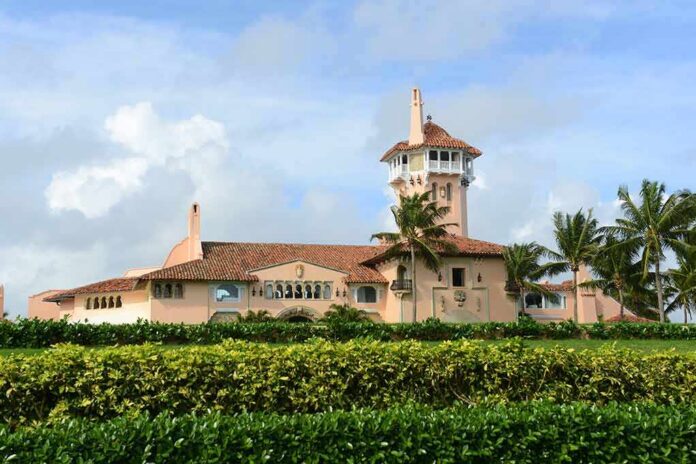
A heavily redacted affidavit still shields key facts about the Mar-a-Lago raid, keeping accountability out of reach.
Story Snapshot
- The search was warrant-based, but core evidence remains hidden behind redactions.
- Justice Department officials cited sensitive witnesses and grand jury material to resist disclosure.
- A magistrate judge approved the warrant after agents interviewed multiple witnesses.
- Public scrutiny is blocked by secrecy, delaying clear answers about necessity and scope.
What the Records Confirm About the Raid
Federal court filings show a magistrate judge approved the Mar-a-Lago search under Rule 41, based on a sworn affidavit that alleged probable cause of crimes tied to records at the property. The government later released a redacted version of the affidavit after broad public pressure, confirming the basic legal path. The materials do not show a unilateral executive action. They show a warrant that a judge signed, which is the standard Fourth Amendment route for a search.
The released affidavit remains heavily blacked out. Only fragments show why agents believed more sensitive records were on site. The document points to probable cause for evidence of national defense information and obstruction, but much of the path to that claim is covered by redactions. That secrecy creates a gap the public cannot fill. People cannot test key facts, such as what witnesses said, whether less intrusive steps were tried, or how narrow the search could have been.
Why Key Details Stay Hidden
The Department of Justice told the court that the affidavit held sensitive witness identities and grand jury material. Officials argued that releasing it would harm an ongoing probe and risk safety or evidence. The department submitted a redacted version for public release only after the judge pressed for maximum openness. The filings say the Federal Bureau of Investigation interviewed a significant number of witnesses before the search, a point used to justify the scope of the warrant.
These steps match common practice in sensitive cases. Courts often shield witness names and grand jury facts to protect investigations and people. But that same shield fuels doubt, because the public sees conclusions, not the proof behind them. Critics who want to know who said what, and why a home search beat other choices, are left without the details to verify or contest the need for the raid. The result is a trust gap that lingers across election cycles.
The Accountability Question Conservatives Keep Asking
Conservatives ask when officials will face real review for the raid’s reach and timing. They want to know whether the government weighed a narrower path, such as more subpoenas, on-site reviews, or a staged pickup. The public record confirms a warrant and interviews, but it does not show the full list of options considered before the search. Without unredacted affidavits, attachments, or sworn agent testimony in open view, the country cannot judge whether the search was the last resort or the first impulse.
Paths to clarity exist. A court could unseal more of the affidavit if risks have passed. Investigators could release segregable parts that reveal method without naming sources. Congress can examine process records and preservation letters to learn what was tried and when. Each step would bring sunlight. Until then, Americans see a powerful act by the state, based on pages they cannot read. That is not how confidence in equal justice grows—especially after years of political double standards.
What to Watch Next
Watch for any court-ordered disclosure that trims the black bars on the affidavit. Look for inventory logs and chain-of-custody records that show exactly what agents sought and found. Track formal interviews of the affiant agent and supervising prosecutors that explain why a search was chosen and what limits they set. These items would not erase the past. But they would draw lines the public can see, so the country knows if the government used the least force needed—or crossed a line it should never cross.
Sources:
congress.gov, int.nyt.com, justice.gov, oversight.house.gov, cbsnews.com