
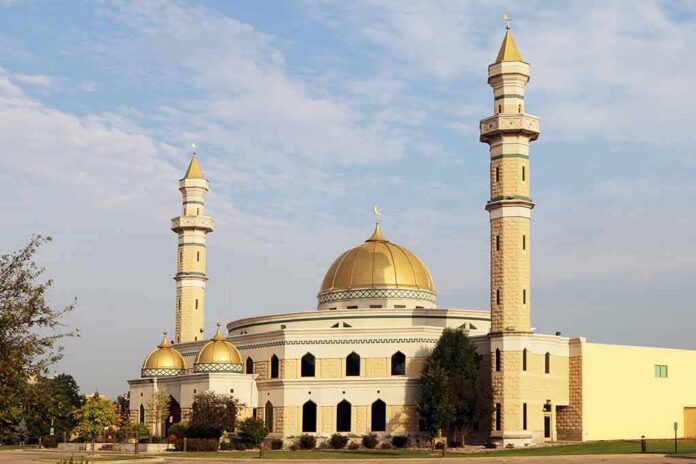
Residents in Warren, Michigan say mosque traffic and daytime noise are overrunning their streets while city officials insist ordinances are being followed.
Story Snapshot
- Neighbors report blocked driveways, lawn parking, and crowd surges tied to worship times.
- Warren police say recent checks found legal parking and mostly daytime noise, outside ordinance limits.
- City noise rules ban “excessive” noise from 10 p.m. to 8 a.m., setting the enforcement window.
- Local boards have weighed parking and safety in mosque-related decisions, showing ongoing friction.
Residents Describe Congestion, City Says Rules Still Apply
Working-class residents in Warren told a national outlet that Muslim holiday events and Friday prayers bring heavy traffic to their blocks. They described cars blocking driveways and parking on lawns, and said calls to city hall and police have not fixed the problem. Warren’s mayor said the city takes concerns seriously, but many complaints shared with media were too broad to verify. Police said recent checks found vehicles were parked legally and noise was reported mainly during daytime hours.
Warren’s code bans “excessive noise” in neighborhoods from 10 p.m. to 8 a.m. That is the standard officers use when they respond to calls. Police said the latest activity they handled in the area was months ago and did not violate the ordinance window. That timing matters. Friday prayers and many gatherings happen in daylight. That puts most sound and traffic concerns outside the city’s nighttime rule, which limits how much police can cite or ticket based on noise alone.
Parking, Safety, And Land-Use Rules Drive Local Decisions
Residents have raised parking and safety concerns in past public meetings on mosque projects. Advocacy reports from years back recorded those worries and showed how boards weighed them when reviewing plans. A 2025 local account said a request for two 35-foot minarets was denied after neighbors cited parking and safety issues near the site. These are the levers cities use. They lean on traffic impact, parking supply, and safety access to guide permits and set conditions, instead of judging belief or worship.
Research on mosque siting disputes shows a pattern. Across cities, neighbors often frame objections as traffic, parking, and noise. Those are easier to regulate and explain under planning rules, even when emotions run high over identity or change. That same pattern is showing up in Warren. Residents say their quality of life is slipping. City leaders point to rules and findings that show legal parking and daytime activity. Those two narratives can collide unless leaders, neighbors, and mosque organizers set clear plans for peak times.
What Enforcement Looks Like And Where It Falls Short
Police said they have not been told to look the other way in any part of the city. They also said they respond to calls, check parking status, and apply the same rules to everyone. That aligns with the code’s plain language on nighttime noise and general traffic standards. But residents still feel unheard when crowds arrive at once, side streets jam, and driveways get brushed or blocked. The law’s narrow noise window leaves gaps when daytime surges strain small blocks.
Concrete steps can help. The city can post temporary no-parking zones at key choke points during known peak hours. Houses of worship can arrange off-site parking and shuttle service on major holy days. Clear signage, trained volunteers for traffic flow, and a direct hotline during events can prevent flash conflicts. None of that curbs religious freedom. It protects quiet streets and property rights while respecting the First Amendment. Warren has tools to do both, if leaders set terms and enforce them evenly.
Sources:
facebook.com, foxnews.com, cair.com, cbsnews.com, ispu.org, clickondetroit.com