
Iran’s Revolutionary Guard claims its missiles and drones destroyed US jets and tankers at a key base in Jordan, sharply raising the stakes for Trump’s America and its allies.
Story Snapshot
- Iran’s Islamic Revolutionary Guard Corps says it hit US fighter jets and refueling aircraft in Jordan with ballistic missiles and drones.
- The Guard claims F‑35, F‑15, F‑16, and F‑18 jets, MQ‑9 drone hangars, and a US command center at Al‑Azraq and Prince Hassan bases were destroyed or seriously damaged.
- Jordan’s military reports intercepting most missiles and says there were no casualties or confirmed damage inside the kingdom, highlighting a gap between Iranian claims and local reporting.
- The strikes are part of Iran’s wider campaign against US bases in Jordan, Kuwait, and Bahrain, pushing a propaganda message of “crushing” American power in the region.
IRGC Claims Direct Hits On US Aircraft And Command Centers
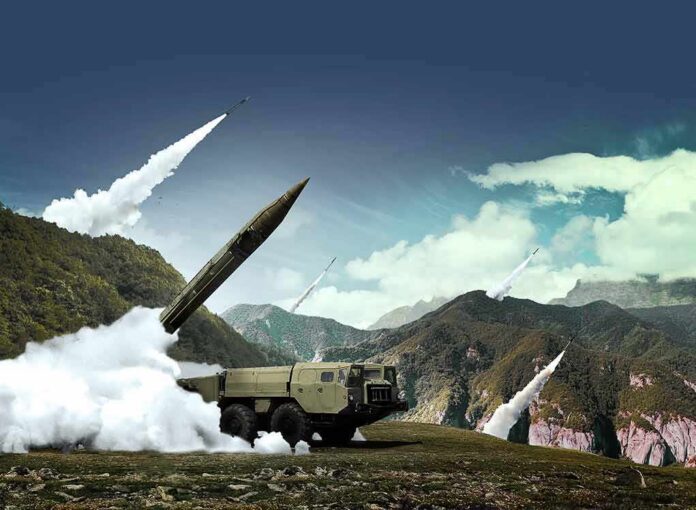
Iran’s Islamic Revolutionary Guard Corps (IRGC) says its forces carried out a major retaliatory strike on US military assets stationed in Jordan, using both ballistic missiles and drones. IRGC statements to state media claim “several US refuelling aircraft and fighter jets” were destroyed and that many more aircraft suffered serious damage during attacks on a base in Jordan. The Guard specifically points to American F‑35, F‑15, F‑16, and F‑18 jets, plus tankers on the ground, as targets of the operation.
Iranian outlets say the strikes focused on the US‑linked Al‑Azraq Air Base and the Prince Hassan Air Base, both key hubs for American and allied air power. Statements carried by Fars News and Tasnim claim the IRGC Aerospace Force fired between 10 and 12 ballistic missiles at Al‑Azraq, aiming at aircraft shelters and a US command‑and‑control center and “destroying” those facilities and jets. A separate IRGC statement says missile salvos hit Prince Hassan’s command center and hangars housing MQ‑9 drones.
Jordan Reports Interceptions And No Confirmed Damage
While Iran’s Revolutionary Guard pushes a story of destroyed American jets and crushed bases, Jordan’s military paints a very different picture of events. Jordan’s armed forces say their air defense systems and Royal Jordanian Air Force intercepted large numbers of incoming missiles, including reports of 20 missiles shot down near the Azraq area and eight destroyed on another night of Iranian launches, with no casualties or material damage inside the kingdom. Officials describe missile fragments falling harmlessly after interception, rather than direct hits on US aircraft shelters or command centers.
Reports pulled together by regional and Western outlets show a recurring pattern: Iran claims big wins against US bases, while host countries and independent sources report interceptions or only limited impact. In earlier strikes during the 2026 Iran war, missiles and drones aimed at American locations in Jordan were largely shot down by US and Jordanian forces, with debris injuring some civilians but without proof of destroyed fighter jets on the ground. This gap between Tehran’s bold claims and local military statements is a key part of how Iran runs both its battlefield and its information war.
Broader Iran–US Showdown And What It Means For American Power
The latest IRGC operation in Jordan did not happen in a vacuum; it came after fresh US airstrikes on Iranian targets tied to trouble around the Strait of Hormuz and other attacks on American forces. Iran’s Revolutionary Guard openly frames these missile and drone barrages as punishment for what it calls US “aggression” and illegal strikes on Iranian territory, vowing a “crushing and decisive” response if Washington continues. IRGC statements also boast of hitting a total of 18 to 21 US military installations across Jordan, Kuwait, and Bahrain, including bases in Kuwait and the US Fifth Fleet presence in Bahrain.
Iran has claimed it inflicted “serious damage” on US military assets in Jordan, alleging that a missile and drone strike on the Al-Azraq air base destroyed or severely damaged several American fighter jets, tanker aircraft, and drones. Claim comes amid escalating tensions between… pic.twitter.com/iWwQZVqy9C
— Orissa POST Live (@OrissaPOSTLive) July 17, 2026
Analysts following the 2024–2026 Iran conflict say Tehran is mixing real missile launches with heavy propaganda, using dramatic language and often unverified claims of destroyed US assets to rally support at home and pressure US partners like Jordan. Studies of Iran’s disinformation campaigns note the frequent use of recycled or artificial visuals and sweeping claims of destroyed jets and bases that later see little or no confirmation from independent sources. For conservative Americans, this clash is a clear reminder that hostile regimes are testing US resolve, threatening our troops and allies, and trying to sell the world a picture of fading American power that does not match the facts on the ground.
Sources:
insiderpaper.com, iranintl.com, middleeastmonitor.com, trtworld.com, aninews.in, arabtimesonline.com, economictimes.indiatimes.com, english.news.cn, wanaen.com, youtube.com, english.mathrubhumi.com, instagram.com, petra.gov.jo, nampa.org, aljazeera.com, aa.com.tr, facebook.com, igsda.org, ynetnews.com