
As gas tops $4 nationwide, President Trump says paying “a little bit more” is acceptable to keep America safe from a hostile regime.
Story Highlights
- Trump links higher gas to national security aims and says prices will fall later.
- AAA data shows the national average recently above $4 per gallon.
- Polling shows many voters blame Trump for the surge, amid a war that disrupted supply.
- Energy agencies tie price spikes to Middle East disruptions and tight global stockpiles.
What Trump Said And Why It Matters
President Trump told supporters that higher gasoline costs are a temporary tradeoff to stop a dangerous regime from getting a nuclear weapon. He urged drivers to “remember” why they are paying “a tiny little bit more” and said prices will “come tumbling down” in time. He also argued prices are not very high compared with recent years. The message sets security above short-term costs and aims to steady nerves as families watch pump totals climb.
Trump’s framing reflects a hard choice: deter threats abroad or chase quick relief at home. He is betting Americans will accept some higher fuel costs to keep enemies in check. He also promises relief through more supply, faster permits, and an all-of-the-above push to boost American energy output. He has said cutting energy costs is key to lowering prices across the economy, since fuel moves food and goods to market.
What Prices Look Like Right Now
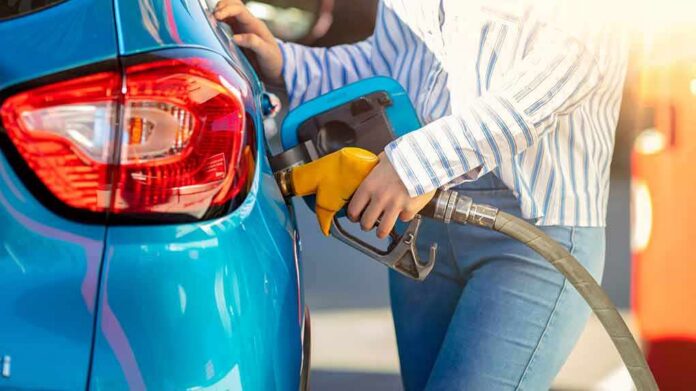
American Automobile Association data shows the national average price for regular gas recently above $4 per gallon, up sharply from a year earlier. Some states, like California, remain far higher than the national mark, with averages near $6 per gallon at points this month. Diesel also surged to record levels in recent days, which can raise shipping costs and push up prices on store shelves as trucking companies pass along higher fuel bills.
Analysts say the global crunch is real. The United States Energy Information Administration raised oil-price forecasts as stockpiles fell and supply from the Middle East weakened due to war. Benchmarks climbed as markets priced in risk around key transit routes and potential export losses. When crude rises and refining stays tight, drivers feel it fast at the pump.
Why The Middle East Conflict Drives Prices
Energy agencies explain that wars and threats in major oil regions often push prices higher. Disruptions or even the fear of them can lift crude costs, which flow into gasoline and diesel. Recent conflict has squeezed global balances and made traders bid up barrels to cover risk. The Energy Information Administration and other forecasters tie the current jump to those supply worries and falling inventories.
Price shocks like this fit a known pattern. Geopolitical risk, hurricanes, or refinery outages can move fuel costs more than any single domestic rule. Markets respond to barrels, not speeches. Still, policy can speed or slow relief. Faster permits, more pipeline capacity, and steady refining can cushion shocks. Trump says his team is working those levers to ease pain while staying firm on national security goals.
Voter Backlash And The Political Fight
Polling shows many voters blame Trump for the gas surge, even as the war drives much of the increase. A Reuters/Ipsos survey found 77 percent of registered voters assign him at least some responsibility for higher prices. The report connected the jump to the war effort alongside a key ally. That backlash gives Democrats a simple line of attack in midterm ads about affordability and “pain at the pump”.
A last-minute effort by House GOP hardliners to get a floor vote on a bill to suspend the gas tax wound up coming up empty.
Members are skipping town this evening — and won't be back until mid-November.
w/@AnthonyCruznews and @NicoPortuondo https://t.co/XvrLwUMqeC
— Pavan Acharya (@pavanmacharya) September 17, 2026
Conservatives face a clear task: hold firm on security, but deliver price relief fast. That means unleashing domestic energy, clearing red tape, and keeping refineries running. It also means blocking new green mandates that raise costs and limiting spending that fuels inflation. If prices ease as supply improves, Trump’s “temporary” promise holds. If not, voters will punish Washington. Results, not rhetoric, will decide how this tradeoff is judged.
Sources:
mediaite.com, rev.com, ms.now, usgasgauge.com, huffpost.com, usatoday.com, washingtontimes.com, theguardian.com, presidency.ucsb.edu