

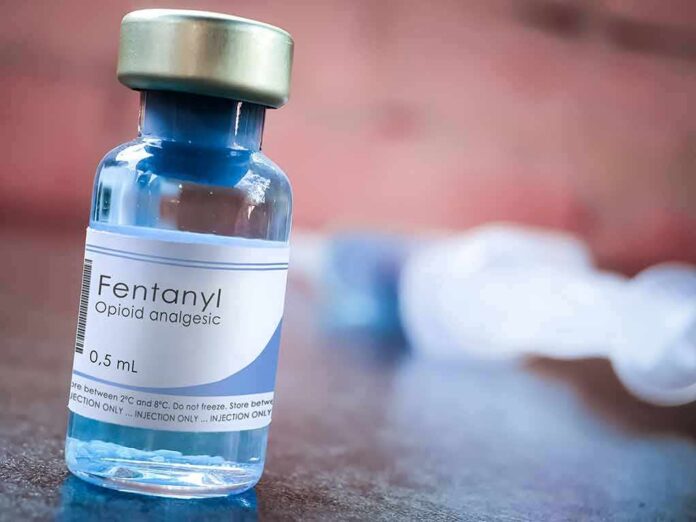
New federal data show fentanyl deaths plunged in 2025, and the Trump team says tougher borders and enforcement are a big reason why.
Story Highlights
- Centers for Disease Control and Prevention estimated synthetic-opioid deaths fell about 22% in 2025.
- Overall overdose deaths dropped nearly 14% in 2025, the third straight annual decline.
- White House credited border security, cartel pressure, and diplomacy as key drivers.
- Some experts argue the downtrend began in 2023 and cite wider naloxone and treatment access.
CDC Numbers Show A Steep 2025 Decline
Centers for Disease Control and Prevention provisional data estimated 69,973 overdose deaths in 2025, down from 81,313 in 2024. That is a drop of almost 14 percent. Synthetic-opioid deaths, mostly fentanyl, also fell sharply in 2025. The National Center for Health Statistics estimated 38,084 fentanyl-involved deaths in 2025, down from 48,913 in 2024, a decline of about 22 percent. These are provisional counts that guide policy while final numbers are compiled.
Major outlets and analysts noted the third straight yearly decline. Reporting highlighted broad shifts across fentanyl, cocaine, and methamphetamine. Those shifts point to supply changes, enforcement pressure, and changes in use. Several summaries stressed that the 2025 fall reached levels closer to pre-pandemic norms. They also noted that fentanyl remains the main driver of overdose risk nationwide, even with the encouraging downward trend.
Trump Administration Credits Security, Enforcement, And Diplomacy
The White House highlighted the continued fall in overdose deaths and linked gains to border control, law enforcement pressure, and international actions targeting fentanyl sources. Officials said the administration focused on stopping cartel supply lines, pushing tougher penalties, and working with foreign partners to choke off precursor chemicals. Health and Human Services echoed that multi-front approach, citing actions to curb illicit fentanyl and strengthen treatment and recovery systems.
Trump officials argued that a secure border and a clear message to traffickers change the risk calculus. They tied policy steps to concrete results in 2025, when fentanyl-involved deaths fell by about a fifth. They also framed the fight as a rule-of-law issue backed by family values: protect kids, hold dealers to account, and keep lethal drugs out of communities. They pointed to continued work with states to expand treatment where needed while insisting interdiction stays front and center.
What Critics And Experts Say About Timing And Causes
Some public-health researchers say the downward turn began in mid-2023. They credit wider access to the overdose-reversal drug naloxone, expanded treatment, and shifts in supply from foreign sources. They argue that better medical care and harm-reduction tools saved lives before 2025 and kept saving lives during 2025. Their view does not dispute the 2025 declines. It challenges who deserves credit and which policies mattered most during the multi-year trend.
Several analyses suggest supply changes may have reduced fentanyl’s lethal punch in parts of the market. Others point to fewer nonfatal overdoses and broader awareness of fentanyl risks. These explanations can overlap with stronger enforcement, as both supply and behavior respond to pressure. Experts caution against a single-cause answer. They stress that final conclusions need more data and time. Still, they agree the country is saving thousands of lives each year compared with 2022.
Why The Debate Matters For Families And Policy
Parents and communities want proof that the federal government is stopping poison at the source. They also want easy access to tools that save a loved one in crisis. The numbers show progress in 2025. The policy question is how to lock in gains. Border enforcement can reduce supply. Tough prosecution can raise costs for cartels. Treatment and recovery keep people alive and stable. Most families want all of the above, with clear accountability in Washington.
President Trump is a machine ❤️❤️🇺🇸
He is 🔥🔥🔥🔥🔥🔥
Crime is down
Murder is down
Fentanyl deaths are down
Deregulation is now a thing
Federal workers are down
Manufacturing is booming
He secured 8 PEACE DEALS
🌈THANK YOU @POTUS ❤️🇺🇸— Red Bone (@BambBeeker) November 20, 2026
Congress will face choices that shape the next two years. Funding for border technology, drug detection, and state task forces could keep pressure on traffickers. Support for community treatment and recovery can lower relapse and repeat overdoses. The data support a balanced approach that keeps America safe and free. The Constitution demands secure borders. Families demand safe streets. The latest decline is real. Now policy must finish the job and drive fentanyl deaths even lower.
Sources:
twitchy.com, whitehouse.gov, axios.com, npr.org, shadac-pdf-files.s3.us-east-2.amazonaws.com, usnews.com