
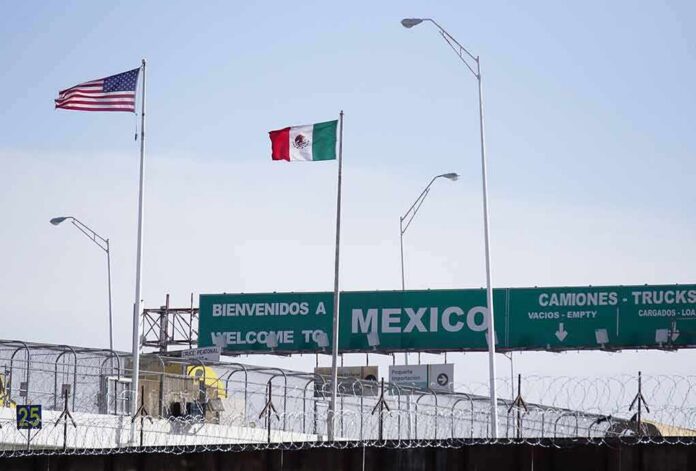
The United States suspended government activities and official travel to Mexicali on August 25 after receiving threat information, and urged Americans to avoid government buildings and be ready to shelter in place.
Story Highlights
- U.S. Embassy alert paused government operations and official travel in Mexicali for August 25.
- Americans were told to avoid government buildings and prepare to shelter if violence erupts.
- Prior security notices flagged cartel violence risk in the Mexicali Valley region.
- Mexico remains a Level 2 destination: exercise increased caution due to crime, kidnapping, and terrorism.
U.S. Alert: Operations Halted And Public Guidance Issued
The United States Embassy and Consulates in Mexico announced a security alert for Mexicali on August 25. Officials suspended U.S. government activities in, and official travel to, the city for that day due to threat information. The alert asked U.S. citizens to avoid government buildings, stay aware, and be ready to shelter if an incident occurs. The notice emphasized personal safety steps and urged Americans to follow official updates as the situation developed.
The U.S. Consulate in Tijuana echoed the warning on social media. The post repeated the key steps: avoid government buildings, seek shelter if violence starts, and contact family once safe. The message aimed to reach travelers and border residents who might not see the website alert right away. This fast, simple guidance matches standard U.S. procedures during short-notice threat periods in Mexico’s border zones.
Why Mexicali Matters For U.S. Travelers
Mexicali sits on a major crossing that links California and Baja California. The region has seen flare-ups tied to rival criminal groups, which can lead to sudden roadblocks, gunfire, or arson. Earlier security reporting advised U.S. personnel to avoid the Mexicali Valley because of a heightened risk of violence between competing cartel factions. That context helps explain why U.S. officials move quickly when fresh threat information appears.
The State Department’s Mexico advisory already tells travelers to exercise increased caution nationwide due to crime, kidnapping, and terrorism risks. That Level 2 status covers the country overall, while separate alerts focus on hotspots when danger spikes. For families planning medical visits, shopping trips, or weekend tourism across the border, Level 2 means plan ahead, keep a low profile, and follow local news and official guidance.
What The Alert Did And Did Not Say
Officials did not share specific details on the source or nature of the threat. That is normal for time-sensitive alerts that rely on sensitive reporting. The alert was precise about actions, not intelligence: pause official movement, avoid government buildings, shelter if needed, and stay connected to updates. That practical focus helps travelers reduce risk without waiting for a full investigation or a public statement from local authorities.
Security Alert: August 25 Threat in Mexicali
Location: Mexicali, Baja California
Event: Due to threat information, U.S. government activities in, and travel to, Mexicali have been suspended on August 25. We are alerting U.S. citizens of this potential threat.
Actions to Take:… pic.twitter.com/iDGSxnF038
— Capt Kyle (@CaptKylePatriot) August 26, 2026
For conservative readers, the bottom line is safety and sovereignty. Border cities can change quickly when criminal groups test the rule of law. Clear, swift warnings protect American lives. Travelers should use simple steps that work: vary routes, avoid crowds and government offices during alerts, keep phones charged, share itineraries with family, and know where to shelter. Smart choices lower risk while the U.S. government and local partners work to stabilize conditions.
How To Travel Smarter In A Level 2 Country
Travelers should review the official country page before any trip. People should register travel plans, carry a charged phone, and keep key numbers saved. Visitors should avoid late-night travel, stick to main roads, and leave valuables at home. If an alert posts for your area, tighten plans: reschedule nonessential visits, avoid government buildings, and have a shelter plan. These habits help families enjoy cross-border trips while staying ready if conditions turn fast.
Policy Context: Quick Alerts, Focused Scope
U.S. missions in Mexico often issue narrow, short-term alerts when risk rises. These notices aim to cut exposure during a window of concern, then end when the window closes. That approach keeps freedom of movement for most people most of the time, while guarding against sudden violence in specific zones. It reflects a simple standard: protect Americans first, share only what helps them act, and avoid revealing sensitive intelligence sources or methods.
What Comes Next In Mexicali
Travelers should watch Embassy and Consulate channels for any follow-up. If the threat window closes, officials often lift restrictions and return to routine operations. If risk remains, additional steps may follow. Either way, Americans should keep plans flexible and stick to proven safety habits. Personal vigilance, respect for local law, and readiness to change routes or timing will help families cross the border, do business, and get home safe.
Sources:
insiderpaper.com, heraldodemexico.com.mx, osac.gov, travel.state.gov