
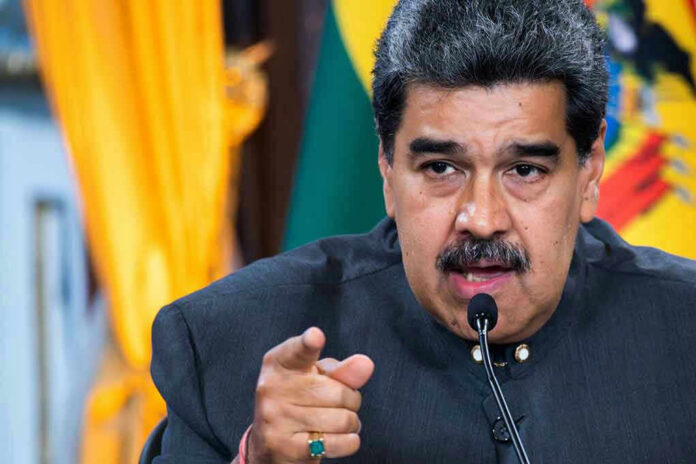
Nicolás Maduro’s new jail photos were posted two months after they were taken, turning a court case into a public relations push.
Story Snapshot
- Maduro posted two jail photos with a message of resolve on his official account.
- Timestamps show June 25, but the images appeared publicly on August 30.
- The delayed release fits a pattern where images are used to shape a narrative.
- Maduro faces narco-terrorism and cocaine conspiracy charges in New York.
Maduro Publishes Jail Images With Loyalist Message
On August 30, Nicolás Maduro shared two photos from a United States jail, saying he was “standing firm” and sending love to family and supporters. The images appeared on his official social media account and showed him calm and posed. Reports tied the post to a message that cast his detention as a test of spirit, not a defeat. This was his first personal visual update in weeks and clearly aimed at supporters watching his legal fight unfold.
Coverage described the photos as part of a resilience message. Outlets reported that the post presented the images as a “small gift” to grandchildren, children, and followers. That framing asks viewers to see strength, patience, and resolve, not isolation or loss. The careful tone echoed earlier messaging that he remains unbroken while awaiting trial in New York. That approach uses simple, human themes to soften serious criminal charges and to rally his base.
Time Gap Signals Calculated Release
Reports say the two photos were dated June 25, yet they surfaced on August 30. That gap suggests a planned release meant to land at a useful political moment. Strategic timing like this is common when high-profile figures face court pressure and global scrutiny. Experts and prior reporting note that detention visuals often serve narrative control, not neutral documentation. In short, the date stamps and the delay point to message discipline, not random sharing.
Media analysts have explained that such images shape how people remember events. When a subject is central to a legal and geopolitical fight, pictures and their timing drive public emotion. That can tilt sympathy, signal defiance, or claim relevance. In this case, a serene pose and a family-centered caption work to recast detention as endurance. That fits a known playbook where both sides compete to frame the same facts for advantage in the court of public opinion.
The Legal Stakes In New York Remain Heavy
The United States unsealed a superseding indictment against Maduro in the Southern District of New York. The charges include narco-terrorism, conspiracy to import cocaine, and weapons offenses. Federal filings and statements show prosecutors view him as part of a long-running criminal scheme. Those charges carry steep penalties and reflect years of work by United States authorities. The jail photos do not change that hard legal track now moving through a federal court.
Former Venezuelan President Nicolás Maduro shared photos from inside his New York jail cell in which he’s posing with double peace signs. https://t.co/2NEKyBSJY9
— The Daily Beast (@thedailybeast) August 30, 2026
Federal officials previously announced related narco-terrorism cases tied to Maduro and other Venezuelan figures. The public record sets a clear path from capture to courtroom. Earlier this year, President Trump posted the first custody photo after a United States operation led to Maduro’s seizure. Soon after, major outlets showed him under guard in New York. Together, those steps mark a steady march toward trial, even as Maduro seeks to sway public views with new images.
Why The Optics Matter For Americans
Timing and tone in these photos are more than foreign drama. They test how propaganda tries to bend truth in our media space. Americans have seen how staged images can excuse lawless rule abroad and mock real victims. When a man facing narco-terror charges posts soft-focus signals of resolve, it is a reminder: facts and law must lead, not spin. The United States must hold the line with due process, strong borders, and clear eyes about regimes that poison streets with cocaine.
Sources:
pjmedia.com, cbsnews.com, infobae.com, justice.gov, usatoday.com, bbc.com, congress.gov