

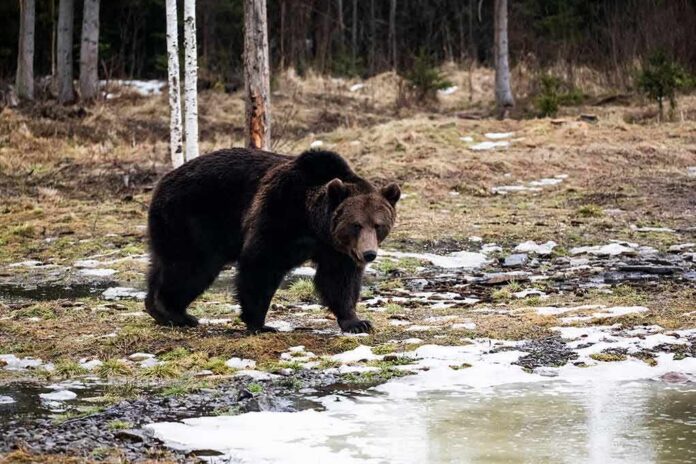
Romania just authorized one of Europe’s largest bear culls to curb deadly attacks and protect rural families from surging encounters.
Story Highlights
- Parliament raised bear-kill quotas to prevent more attacks and protect farms.
- The 2026 law allows 859 preventive kills plus 110 intervention bears, pending court review.
- Officials link quotas to attack numbers and damage claims by county.
- Environmental groups question the science and doubt the cull will cut incidents.
Lawmakers Expand Quotas To Address Deadly Attacks
Romanian lawmakers expanded bear-culling quotas after a string of dangerous encounters, including a fatal hiker attack in 2024. Parliament first raised the annual cap to nearly 500 for 2024 and 2025 to avoid further attacks and control the population. Lawmakers then advanced a 2026 measure that sharply boosts removals. Reporters described the action as a public-safety step, not sport hunting. Leaders said stronger action was needed to keep people safe and protect crops and livestock.
The new 2026 framework sets a national preventive quota of 859 bears, plus 110 bears for targeted intervention in active danger cases. That total is far higher than the 2024 ceiling and signals sustained concern about rising conflicts. Supporters say prevention removes bears before they enter towns or attack hikers. They argue intervention shootings alone come too late. The two-track system aims to handle both hotspot risks and direct threats to people and property.
Officials Tie Quotas To Attacks And Damage
Romanian officials link quotas to specific risks. Authorities said county prevention shares depend on recent attacks and the value of damage caused by bears to people and farms. That approach treats culling as population management to reduce conflict, not a general hunt. The policy also carves out intervention kills for urgent cases, like bears entering villages. Limits on trophy traits and on shooting females with cubs remain in place to steer actions toward safety goals, not trophies.
Backers cite a government genetic assessment to justify broad preventive action. A former environment minister said last year’s genetic review confirmed dangerous overpopulation, habitat spread, and the need for preventive steps. Lawmakers argue that waiting for more attacks is not responsible. They say the state must act before bears get habituated to human food and trash. They view the higher quota as one tool among many to push bears back to the wild and reduce risks for hikers and families.
Critics Challenge The Science And Targeting
Conservation groups dispute the scientific basis for the big jump. The World Wide Fund for Nature’s Romania office said the quotas are not backed by transparent data and warned the increase may not lower incidents without better waste control and enforcement. The group says key details of the genetic study are missing from public view, including methods and raw data. It argues success depends on fixing root causes, not only on lethal removal.
Reporters note a targeting concern as well. Critics warn hunters may shoot large trophy males deep in forests rather than problem bears near towns, which could blunt safety gains. They also flag mixed public messaging on the total numbers allowed over two years, which can undermine trust. These critics want clear tracking of which animals are removed and whether those bears were tied to recent conflicts near people and farms.
Court Challenge And Implementation Questions
Romania’s president challenged the 2026 law at the Constitutional Court, citing incomplete monitoring and possible conflicts with European Union environmental rules. That filing could slow or reshape the plan before full rollout. Even with the legal pause, the policy trend remains clear: rising quotas after high-profile attacks and growing pressure to show results on public safety while staying within conservation law. Implementation details and data transparency will decide the outcome.
What To Watch Next
County-level results will matter most. Readers should watch for published data on attacks, injuries, and farm losses after the quota increases. Track how many culled bears came from conflict hotspots versus remote forests. Look for better trash control, fencing, and fast response teams in towns. If the state matches stronger quotas with tight targeting and clear reporting, Romania could cut risk and keep people safer while meeting legal duties to protect wildlife.
Romania expands bear cull, critics say enforcement gaps persist https://t.co/FkwGPX9Z4M In an effort to avoid further attacks and control the bear population, lawmakers doubled the EU's annual hunting quota for this year and next to nearly 900
— Georgi Gotev & EUalive (@GeorgiGotev) August 2, 2026
Sources:
thegatewaypundit.com, reuters.com, dw.com, romania-insider.com, english.news.cn, reddit.com, romaniajournal.ro