
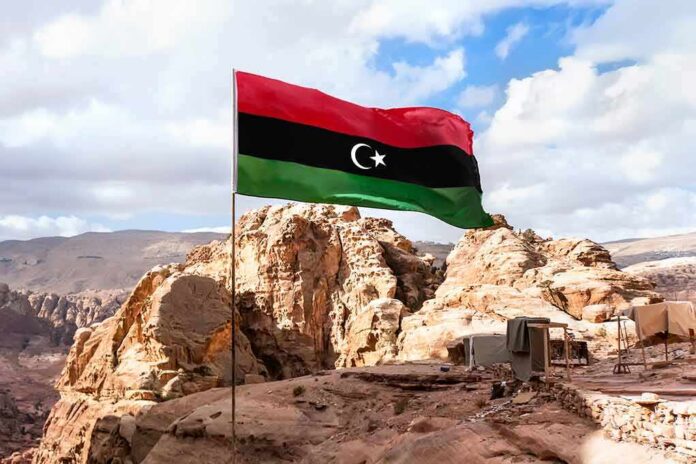
The State Department’s Level 4 warning tells Americans to avoid Libya completely and even consider leaving a will and a DNA sample before any trip.
Story Highlights
- The State Department lists Libya as Level 4: Do Not Travel due to multiple severe threats.
- Officials warn of crime, terrorism, kidnapping, civil unrest, armed conflict, and landmines.
- The United States has no embassy operating inside Libya, limiting rescue options.
- Media summaries note grim preparations like wills and DNA samples for anyone still going.
State Department Issues Highest-Level Libya Warning
The United States Department of State lists Libya at Level 4: Do Not Travel. The advisory says Americans should not travel to Libya for any reason. Officials cite crime, terrorism, kidnapping, civil unrest, armed conflict, and unexploded landmines as the main threats. The notice sits at the top tier of U.S. travel warnings. This means the government believes it cannot reduce the risk for travelers. The advisory aligns with the Level 4 listing on the State Department’s main index.
Coverage of the update explains what that level implies. Reports note that people who plan to go anyway should prepare in extreme ways. That includes arranging a legal will and even leaving a DNA sample with family in case of the worst. Those steps are common in the most dangerous zones. They reflect the risks named in the government notice and the lack of basic safety on the ground. Media summaries highlight this stark guidance for Libya today.
Why The Risk Is So High In Libya Right Now
State Department materials point to more than one danger. Armed groups fight for control in parts of the country. Criminal networks prey on travelers and locals. Terrorist groups plot attacks. Unexploded landmines and other munitions remain in cities and fields from years of conflict. Kidnapping for ransom is a known tactic in unstable regions. When these threats stack up, the government issues its strongest warning. That is what it has done for Libya, and it has kept it in place.
The United States also warns that it has no embassy operating inside Libya. That gap matters. Without an embassy, help is limited if an American gets into trouble. Consular workers cannot reach most parts of the country. The United States directs questions to a Libya External Office in Tunis. That setup means slower help and fewer options for evacuation or legal aid if things go wrong. This is a key reason the Level 4 rating remains firm.
What This Means For American Travelers And Families
Americans should avoid nonessential travel to Libya. Businesses should suspend trips unless there is no alternative. Families with a loved one considering travel should press pause and read the government notice in full. If travel cannot be avoided, plans should include secure transport, trusted local contacts, and ways to shelter in place. People should also share a full itinerary with family at home. Officials stress that the United States may not be able to assist quickly or at all in an emergency.
"Do not travel to Libya for any reason."
Americans planning a trip to Libya are being urged to reconsider those plans, as the U.S. State Department issues its strongest possible travel warning.
The Level 4 advisory cites widespread kidnapping, terrorism, landmines and other… pic.twitter.com/OlquUTJLJZ
— Fox News (@FoxNews) September 5, 2026
For readers who value strong borders and limited government, this is a hard truth: the United States cannot fix every failed state. Libya shows what happens when radical groups, weak institutions, and years of civil strife shred order. That chaos breeds crime and terror. It endangers innocent people and drains resources. The best move is clear and conservative: protect American lives first, avoid reckless risk, and do not step into a war zone when your own government warns you to stay out.
Sources:
thegatewaypundit.com, travel.state.gov, ly.usembassy.gov, travelandtourworld.com, osac.gov