A civilian firearms trainer admitted he killed an 18-year-old U.S. Army reservist during a botched live-fire exercise, and he will plead guilty to involuntary manslaughter.
Story Highlights
- Federal prosecutors say the trainer acted with “gross negligence” during firearms training at Letterkenny Army Depot.
- The trainer, Sean Stark, agreed to waive indictment and plead guilty under a filed agreement.
- The fallen soldier, Private First Class Krystofer Lopez, 18, died after being shot during the March 12 training event.
- The plea tracks a broader pattern where federal cases are commonly resolved by guilty pleas.
Federal Charge and Admitted Negligence in Soldier’s Death
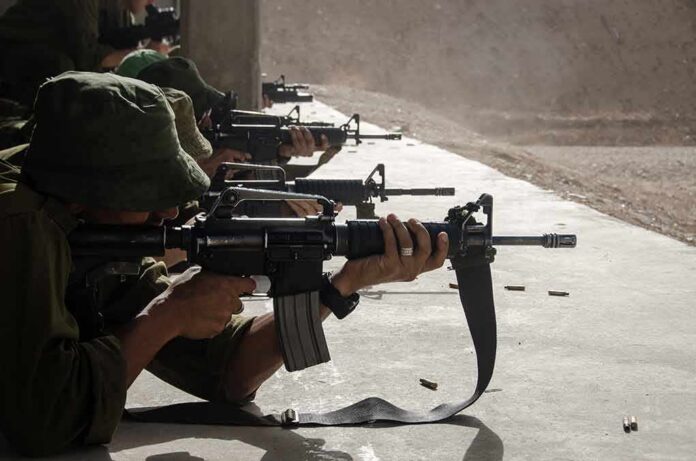
Federal prosecutors charged Sean Stark, 38, with involuntary manslaughter in the shooting death of Private First Class Krystofer Lopez at Letterkenny Army Depot in Pennsylvania. According to the United States Attorney’s Office for the Middle District of Pennsylvania, Stark killed Lopez on March 12, 2026, “while conducting firearms training in a grossly negligent manner.” That allegation anchors the criminal information now before the court and frames the case as a preventable death tied to basic safety failures during a live-fire setting.
Stars and Stripes reported that court documents show Stark will plead guilty to involuntary manslaughter. The report states he admitted “grossly negligent” conduct in the training that led to the fatal shot, and his lawyer offered condolences to the Lopez family while calling the death “unintentional” and “tragic.” That framing does not dispute core facts; it concedes fault while emphasizing remorse and intent. A guilty plea hearing will be scheduled by the federal court.
Plea Agreement and What It Signals About Accountability
Multiple outlets state Stark agreed to waive indictment and plead guilty as part of a plea deal. That step often signals the defense accepts the key facts, and the government is confident in its case. It also spares the Lopez family a long trial. While a plea does not reveal every technical misstep on the range, it secures accountability for the life lost during training at a U.S. Army site. The depot acknowledged the charge and related personnel action after the incident.
Local reporting tied Lopez’s death to a gunshot wound sustained during the training event, with family members saying he was struck in the chest. He later died at a nearby hospital, according to local coroner information cited in news coverage. Those details align with the federal filing’s claim that the death flowed directly from “grossly negligent” firearms handling during instruction. The public record identifies no competing account disputing the shooting or the cause of death.
Safety Failures in Training Demand Real Reform
Firearms training on a federal installation must follow strict rules to protect every soldier. This case shows what happens when those rules break down. An 18-year-old reservist trusted his instructors and his government to run a safe course, and he ended up dead. Conservatives believe accountability is not optional. Clear rules, skilled trainers, and chain-of-command oversight save lives. When those steps fail, leaders must address the gap fast, and they must be honest with families and the public.
🔴 Civilian firearms instructor pleads guilty in fatal shooting at Pennsylvania Army depot
Sean Stark, 38, a civilian shooting instructor at Letterkenny Army Depot, pleaded guilty Monday in federal court to involuntary manslaughter in the March 12 shooting death of PFC Krystofer… pic.twitter.com/qrlsQF5ddm
— NewsTongue (@NewsTongueX) September 23, 2026
Families and taxpayers have a right to confidence that federal ranges enforce safety at every step. That includes live and dry-fire separation, reliable clearing procedures, and strict muzzle and trigger control. The charge here states the conduct was “grossly negligent,” not a minor mistake. That language reflects the government’s view that the basics were ignored. A guilty plea places a legal marker for Lopez’s family, but it should also trigger a top-to-bottom safety review across training programs at Letterkenny and beyond.
Guilty Pleas Are Common, But Facts Still Matter
Most federal convictions come from guilty pleas, not trials. Research places federal plea resolutions around nine in ten cases or more, which means the public often learns facts through negotiated filings rather than full testimony and cross-examination. That pattern explains why some technical details can remain out of view even when a defendant admits fault. Still, the central facts here are firm: a young soldier died from a gunshot on a U.S. Army range, and the trainer has agreed to plead guilty.
This audience values the rule of law, secure communities, and strong defense. Those principles start with responsibility on our own ranges. President Trump’s administration must keep pressing federal installations to uphold strict standards and act fast when systems fail. That means transparent safety practices, credible investigations, and swift discipline where due. Americans send their sons and daughters to train, not to die from basic negligence. Lopez’s family deserves justice and a firm commitment that this never happens again.
Sources:
military.com, post-gazette.com, yahoo.com, ground.news