A Tesla driver told Texas deputies his car was running on autopilot right before it tore through a woman’s home and killed her, but the company says he had the pedal floored at 73 miles per hour in a quiet neighborhood.
Story Snapshot
- Driver Michael Butler told Harris County investigators his Tesla Model 3 was using an automated driving system when it left the road in Katy, Texas.
- The car struck a house, killing 76-year-old Martha Avila inside.
- Tesla’s autopilot vice president says Butler manually floored the accelerator to 100%, hitting 73 mph, overriding the system.
- The National Highway Traffic Safety Administration (NHTSA) opened a special investigation, and Avila’s family sued Tesla and Butler.
Deadly Crash Destroys Texas Home
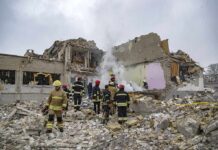
The crash happened on a Friday evening in Katy, a Houston suburb. Butler was driving his Tesla Model 3 east on a residential street when the car “failed to maintain control within a single lane, veered off the road, and impacted the residence,” according to the Harris County Sheriff’s Office. Martha Avila, 76, was inside the home and died. Another man was hurt.
Butler told deputies at the scene that the car was operating with an automated driving assistance system engaged when it happened. That single statement, repeated across national headlines, instantly framed the story as another Tesla “self-driving” failure before anyone had reviewed the vehicle’s own data.
Tesla Points to Driver, Not Software
Tesla pushed back fast. Ashok Elluswamy, the company’s vice president of Autopilot, posted on social media platform X that Butler “manually overrode self-driving by pressing the accelerator all the way to 100% of the accelerator pedal in this residential area” and reached 73 mph before the crash. Elon Musk added that the system “drives slowly through neighborhood streets and this was a high speed crash”.
That is a serious claim, and it deserves to be weighed against a driver’s word alone. A car doing 73 mph on a residential street is not gliding along under cautious computer control. If Tesla’s account holds up, this looks less like a software glitch and more like a driver flooring the gas and blaming the machine after the fact.
Federal Investigators Step In
The National Highway Traffic Safety Administration launched a special crash investigation into the incident. That agency has looked at Tesla crashes before, including an earlier fatal Texas case where investigators ultimately found no evidence Autopilot was even engaged, with the crash blamed instead on driver speed and impairment. That history is worth remembering before anyone rushes to a verdict here.
No criminal charges have been filed against Butler at this point, and the investigation remains open. Until Tesla’s vehicle logs, pedal data, and Autopilot state records are made public, the public is stuck choosing between a driver’s claim and a company’s rebuttal, not settled facts.
Lawsuit Puts Design Defects on Trial
Avila’s family filed suit in Harris County District Court against both Tesla and Butler, alleging a “design defect” and a failure to warn. Lawsuits like this often shape public opinion long before any jury reaches a verdict, and trial lawyers have every incentive to paint Tesla’s technology as the villain regardless of what the crash data eventually shows.
Conservatives have long argued that personal responsibility matters more than blaming a machine when a driver’s own actions cause harm. If the accelerator truly was pressed to the floor, as Tesla claims, that is a driver decision, not a computer failure, and the legal system should sort that out based on hard evidence, not headlines.
This case will likely turn on vehicle telemetry Tesla and investigators have not yet released publicly. Until that data comes out, Americans should be skeptical of both the rush to blame “runaway self-driving cars” and Tesla’s own convenient timing in pointing the finger back at the driver just days after the crash made national news.
Sources:
feedpress.me, nytimes.com, nbcnews.com, abcnews.com, abc7.com