
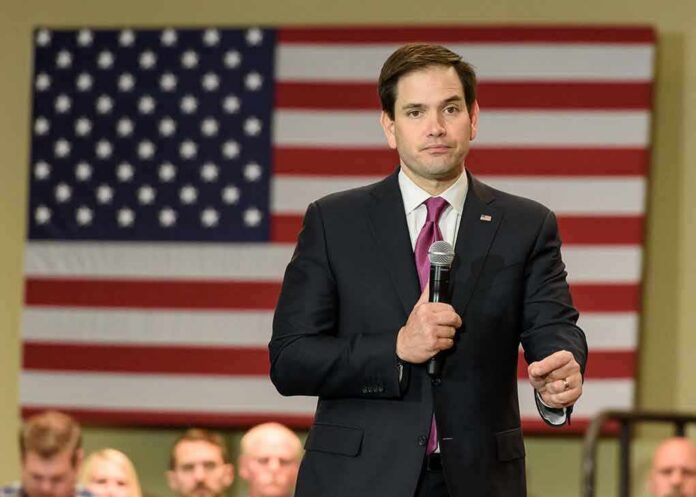
After a week of alarming headlines about an Iranian “dirty bomb,” Secretary of State Marco Rubio flatly said there is no imminent threat to Washington, D.C.
Story Highlights
- Rubio said he is not concerned about an imminent attack on Washington, citing confidence in U.S. intelligence systems
- CNN’s own report said the Iranian planning reflected “options,” not an imminent strike
- The White House said there were no credible threats to the homeland at that time
- Intelligence officials reportedly disagreed on Iran’s capability and intent
Rubio Denies Imminent Threat, Citing Daily Vetting of Weak Leads
On November 18 in Manila, Secretary of State Marco Rubio answered a direct question about an “imminent attack on Washington.” Rubio said, “I am not” concerned and added, “I don’t think there’s any imminent threat.” He explained that U.S. officials see “threat streams every day,” and most prove not credible. He said he trusts American intelligence and the systems designed to flag real danger before it hits home, underscoring a message of vigilance without panic.
Rubio’s comments followed several stories that cited anonymous sources about Iranian planning for a possible radiological device in the capital. He did not disclose the classified basis for his confidence. He focused instead on process: Americans pay professionals to sort signal from noise, and those teams brief leaders when a threat is real. That is how a serious country operates. His approach aimed to cool fear while keeping watch over a hostile regime known for proxy violence.
CNN Report Framed Planning as Options, Not Imminence
CNN reported on November 16 that United States intelligence indicated Iran was developing plans that could include a dirty bomb in Washington. The report cited seven unnamed officials and described specific targets and locations. Yet it also stated the planning “was an effort to give itself options rather than an indicator of an imminent attack.” That key line cuts against the scariest headlines and supports Rubio’s claim on non-imminence, even as questions about details remain.
The White House echoed the non-imminence view. A spokesperson said officials were monitoring all potential threats, but there were “no credible threats to the homeland” at that time. That statement reflects the standard posture: stay alert, share warnings, and avoid needless public panic. It also tracks with reports that officials were divided on whether Iran had the people or intent to carry out any such plot soon, despite granularity in the raw reporting.
Unnamed Sources, Public Reassurance, and the Trust Gap
The dispute here is classic: anonymous sources deliver vivid details, while named leaders give measured reassurance. The gap can erode trust, yet both things can be true. Intelligence often contains fragments that suggest paths an enemy might take, not orders they will execute. That is why contingency planning exists. Reports said agencies debated Iran’s capability and intent, which explains heightened attention but not alarm sirens for citizens in Washington, D.C..
🚨 JUST IN: MARCO RUBIO DISMISSES IMMINENT IRANIAN ATTACK FEARS AND RULES OUT LINKED CYBERATTACKS.
US Secretary of State Marco Rubio has addressed two major concerns:
🇺🇸 Iran threat: Rubio says he sees no “imminent threat” to the United States following reports of a possible…
— Fact Checker (@FactCheckero1) November 18, 2026
Foreign officials publicly denied the plot, and some outlets noted a lack of disclosed evidence. That denial does not settle the matter, and it does not outweigh American assessments. But it does show why responsible leaders pick their words carefully and avoid fueling fear. Rubio stayed on that lane: he rejected imminence, backed the work of American professionals, and reminded the press that many daily threat reports never become real danger for our families.
What Conservatives Should Watch Next: Security Without Panic
Conservatives know bad actors test our resolve and probe for weakness. We also know panic helps our enemies and hurts our economy and communities. The standard to demand is simple: protect America’s people, borders, and leaders, tell the truth about risk, and act fast when indicators cross the line. On this story, the established facts support strong vigilance, active monitoring, and public calm, not fear. That balance keeps our freedoms intact while our guard stays up.
Sources:
mediaite.com, washingtonexaminer.com, fidelity.com, iranintl.com, cnn.com