
A mentalist’s innocent baby-name reveal at the White House Correspondents’ Dinner turned into chaos when Secret Service mistakenly responded to a false security threat, sparking viral conspiracy theories that the performer has now debunked.
Story Snapshot
- Oz Pearlman performed a mind-reading trick revealing a pregnant CBS reporter’s baby name choice at the WHCD
- Secret Service initiated an intense lockdown immediately after the card reveal, fueling speculation about the trick’s content
- Pearlman confirms no shooting occurred—only a false alarm that created panic among attendees including President Trump
- The card contained only the unborn daughter’s name, contradicting sensationalized claims of ominous predictions or conspiracy
The Mind-Reading Moment That Preceded Pandemonium
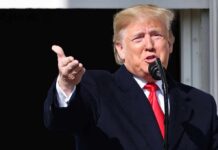
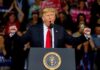
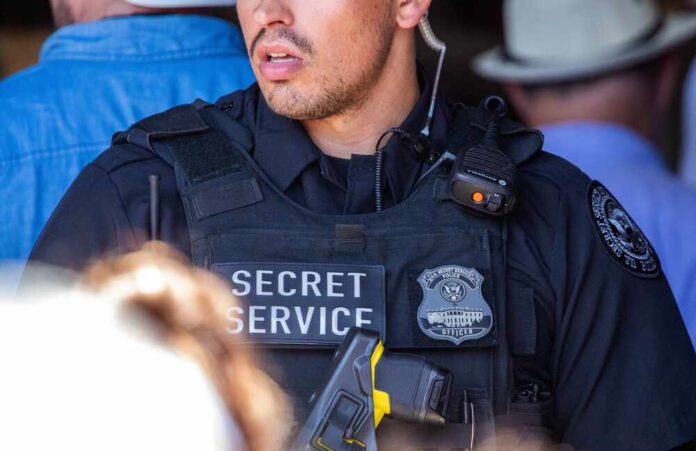
Mentalist Oz Pearlman executed a standard audience-participation trick at the White House Correspondents’ Dinner involving CBS News reporter Weijia Jiang, who was pregnant at the time. Pearlman guessed letters of the name Jiang was thinking of for her unborn daughter, wrote it on a card, and showed it to Jiang and First Lady Melania Trump. Jiang then drew President Trump’s attention to the reveal. At the peak moment when Jiang confirmed the name matched Pearlman’s prediction, Secret Service agents suddenly dropped attendees to the ground and initiated a full lockdown amid reports of an active shooter.
False Alarm Sparks Security Overreaction
Pearlman later clarified in post-event interviews that no shooting or bomb threat actually occurred despite initial chaotic reports claiming a shooter had been killed and another was being sought. The Secret Service response included forcing everyone down, including those near the President, and implementing a complete building lockdown. Pearlman’s wife texted him during the incident after seeing him disappear from screens, expressing fear about the unfolding situation. The mentalist described the timing as an “insane” coincidence, emphasizing the trick involved only an innocent baby name with no predictive or ominous content whatsoever.
Viral Misinformation Versus Reality
The dramatic timing fueled sensationalized narratives across social media suggesting the card contained something sinister or that Pearlman had somehow predicted the chaos. These conspiracy theories ignored the straightforward nature of the performance—a common mentalism technique involving suggestion and cues to reveal a participant’s thought. Pearlman’s firsthand account consistently debunks claims of gunfire, stating plainly that the Secret Service conducted what resembled a rehearsed drill response to a perceived threat that never materialized. The incident highlights how heightened security protocols around Trump-era events can amplify false alarms into full-scale panic.
Broader Implications for High-Profile Events
The false alarm raises questions about threat assessment procedures at events hosting the President and media elite. While Secret Service vigilance remains essential given legitimate security concerns, the overreaction to unverified reports demonstrates how quickly misinformation spreads in politically charged environments. For Americans frustrated with government dysfunction, the incident reflects a broader pattern: officials prioritizing visible responses over accurate threat evaluation, creating unnecessary fear among citizens. The WHCD chaos also illustrates how establishment media events—often criticized by both left and right as elite gatherings disconnected from ordinary Americans—can generate spectacle that overshadows substantive issues facing the country.
Just What Was on That Card the Mentalist Showed Trump Right Before WHCD Shooting Broke Out? Now We Knowhttps://t.co/GaDP9ZuWxY
— RedState (@RedState) April 28, 2026
Pearlman continues performing mentalism acts, his reputation bolstered by transparently addressing the viral controversy. The incident ultimately resolved without injuries or credible threats, though it left attendees shaken and reinforced perceptions that security apparatus surrounding political power operates with hair-trigger sensitivity that sometimes lacks proportional judgment.