
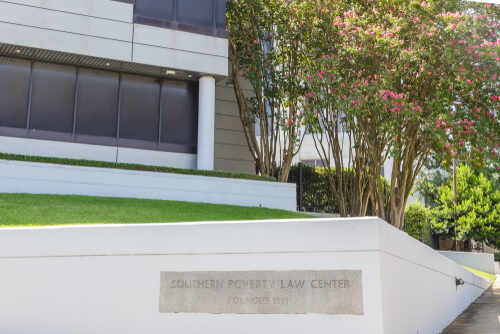
A stunning DOJ indictment exposes the Southern Poverty Law Center for secretly funding Charlottesville rally organizers, turning a tragic 2017 event into a manufactured political weapon against President Trump.
Story Highlights
- DOJ reveals SPLC paid over $270,000 to informant F37, a key Charlottesville organizer, from 2015-2023.
- Indictment accuses SPLC of building a covert network of paid extremists to inflate hate group threats for fundraising.
- Evidence reframes the “Unite the Right” rally as potentially orchestrated deceit rather than organic white supremacist violence.
- Trump’s “very fine people” comment gains new context amid claims of SPLC manipulation.
- Both conservatives and liberals question NGO ethics, highlighting deep state-style elite grift eroding public trust.
DOJ Indictment Unveils SPLC Payments
The U.S. Department of Justice unsealed an indictment in April 2026 charging SPLC-linked figures with fraud. Federal prosecutors detail payments exceeding $270,000 to informant F37, identified as a Charlottesville rally organizer. F37 received funds from 2015 through 2023 while supervised by SPLC handlers for posting racist content online. This informant assisted with rally transportation and planning, according to court documents. The case targets entities like Blanche and Patel for their roles in the scheme.
Charlottesville Rally Background
On August 11, 2017, white supremacists marched on the University of Virginia campus carrying tiki torches and chanting “Jews will not replace us.” The next day, the Unite the Right rally protested Robert E. Lee statue removal but descended into violence, claiming counterprotester Heather Heyer’s life. President Trump commented on “very fine people on both sides,” later clarifying his condemnation of neo-Nazis while defending legitimate statue opponents. Post-2016 election tensions amplified media portrayals of resurgent racism under his watch.
SPLC’s Informant Network Exposed
SPLC, founded in the 1970s to track hate groups, developed a covert informant system labeled “field sources” or “Fs” since the 1980s. Examples include F9 receiving over $1 million from 2014-2023 and F27 getting more than $300,000 from 2014-2020. F30, a National Socialist Party leader listed on SPLC’s own “Extremist Files,” pocketed $70,000. Critics argue these payments funded extremism rather than combated it, with SPLC using inflated threats to boost donations and influence.
Political and Social Ramifications
The indictment undermines SPLC’s credibility, bolstering narratives that Democrats and media exploited Charlottesville to smear Trump as sympathizing with Nazis. Sky News called it a “race-baiting grift” where SPLC paid instigators. SPLC maintains payments bought legitimate intelligence. Short-term, donors may pull funding; long-term, it questions ethics in anti-hate nonprofits. Victims’ families confront narrative shifts, while broader distrust in elite NGOs grows across political lines, echoing shared frustrations with government failure and deep state tactics.
Charlottesville: The Deceit Underlying the Hoax https://t.co/n8MhV1pELD
— Dan Sparks (@DanSparx) April 27, 2026
Contrasting Perspectives and Uncertainties
Conservative voices, including Trump allies, hail the DOJ findings as debunking the “Charlottesville hoax.” Progressive outlets like Mother Jones defend the rally’s white supremacist core, disputing Trump’s “fine people” context. SPLC denies instigating violence, insisting on intel-gathering motives. Uncertainties persist: no evidence shows all attendees were paid, and rally scale involved hundreds. Historical violence remains undisputed, but informant roles raise valid questions about manufactured tensions eroding founding principles of truth and limited elite power.
Sources:
Charlottesville: The Deceit Underlying the Hoax
Mother Jones on Charlottesville