
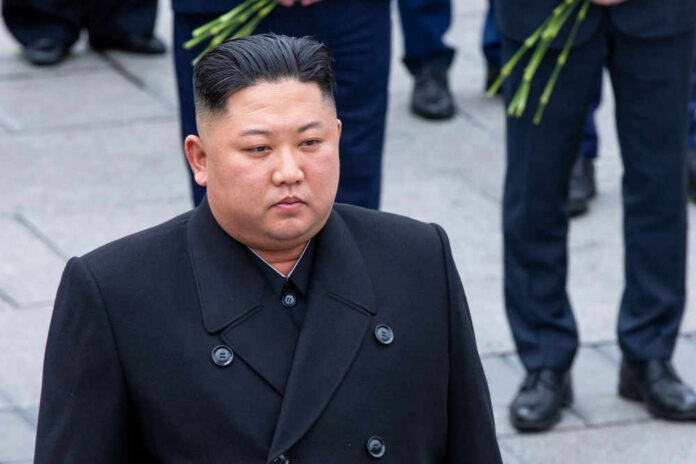
Kim Jong Un’s latest pledge to “fully support” Russia’s army shows how America’s adversaries keep finding partners while U.S.-led sanctions and diplomacy struggle to change their behavior.
Story Snapshot
- North Korea’s state media reported Kim Jong Un vowed “full” backing for Russia’s military as a “fraternal duty,” underscoring a deepening wartime alignment.
- Vladimir Putin described Russia–North Korea relations as “special,” signaling Moscow’s interest in keeping Pyongyang close as the Ukraine war drags on.
- Reporting points to an exchange dynamic: North Korean munitions and manpower for Russian fuel, technology, and political cover.
- Key details remain unverified publicly, including specific troop numbers and volumes of weapons, but the political intent is increasingly explicit.
Kim’s “Fraternal Duty” Message and Why It Matters
Kim Jong Un’s statement that North Korea would “fully support” Russia’s army as a “fraternal duty,” carried by state outlet KCNA and echoed by other reports, is less about new battlefield detail and more about political signaling. The language frames the relationship as ideological solidarity, not a transactional deal. For Americans, the takeaway is that hostile regimes still coordinate openly, betting that the West can be worn down through time, cost, and fatigue.
Vladimir Putin’s description of bilateral ties as “special” complements Kim’s pledge by projecting durability and mutual commitment. That matters because Moscow’s war effort benefits when partners help it offset sanctions pressure and weapons shortfalls. The reports do not provide new figures on shipments or deployments tied to the latest pledge, which limits what can be confirmed about scale. Even so, the consistent framing across outlets suggests both capitals want the world to see the partnership as stable and expanding.
The Alliance Didn’t Start This Week: War Has Accelerated It
North Korea and Russia share Cold War-era ties that never fully disappeared after the Soviet collapse, but the war in Ukraine has sharply revived them. Reporting describes a warming trend after 2022, with North Korea supplying artillery shells and missiles and Russia benefiting from a steady stream of matériel. A June 2024 summit produced a “comprehensive strategic partnership” treaty, reinforcing that this is not casual diplomacy but a structured relationship built for long-term cooperation.
Several reports also reference troop deployments to Russia in late 2024–2025, although the latest KCNA-linked coverage does not add precise counts or locations. That uncertainty is important: analysts and the public should separate confirmed statements from harder-to-verify operational details. Still, the direction of travel is clear—both governments see value in tightening their coordination. When authoritarian states can move weapons, people, and technology through opaque channels, international enforcement becomes far harder to sustain.
What Each Side Wants: Munitions, Technology, and Sanctions Evasion
The reporting outlines motivations that fit a straightforward exchange. Putin needs munitions and potentially manpower to sustain pressure in Ukraine, especially under the burden of Western restrictions. Kim needs fuel, advanced technology, and diplomatic support that helps his regime endure sanctions and isolation. KCNA’s rhetoric about “fraternal duty” helps mask that asymmetry, but the relationship still looks transactional: Russia can offer capabilities North Korea wants, and North Korea can supply lower-cost weapons and support that Russia can use quickly.
For U.S. audiences—especially those already skeptical of “global governance” promises—this partnership highlights a recurring problem: international institutions can condemn aggression, but they often struggle to stop determined states from trading what they need. That reality fuels frustration across the political spectrum, including among conservatives who want stronger borders, tougher enforcement, and clearer accountability for outcomes. The reports also suggest the alliance could weaken broader non-proliferation efforts if technology transfer becomes part of the bargain.
Implications for the Ukraine War and U.S. Strategy
The short-term implication described in the reporting is that North Korean backing can help Russia sustain operations, potentially prolonging the conflict and increasing the human and financial costs tied to the war. The long-term risk is an entrenched anti-West bloc that tests sanctions regimes and complicates deterrence. At minimum, the latest pledge reinforces that time is a strategic weapon: if Russia can keep fighting and resupplying, pressure shifts to Western publics and politicians to maintain unity.
What remains unclear in the current reporting is exactly how much material support is flowing right now and how directly it influences operations on the ground. That missing data matters because it shapes policy responses—sanctions, interdiction efforts, and diplomatic pressure all depend on verifiable networks and volumes. Still, Kim’s decision to publicize “continued” support suggests Pyongyang believes it can deepen cooperation with Moscow despite international blowback, betting that enforcement will be uneven.
For Americans watching from 2026, the broader question is whether U.S. policy can impose real costs on regimes that coordinate outside the rules—or whether Washington will keep cycling through statements and sanctions while adversaries adapt. Conservatives tend to see this as a reminder that hard power and credible deterrence still matter. Liberals often worry about escalation and humanitarian fallout. Both concerns collide with the same uncomfortable fact: adversarial coordination is getting more open, not less.
Sources:
North Korea’s Kim vows continued support for Russia
North Korea’s Kim vows full support for Russia, discusses partnership with Putin