
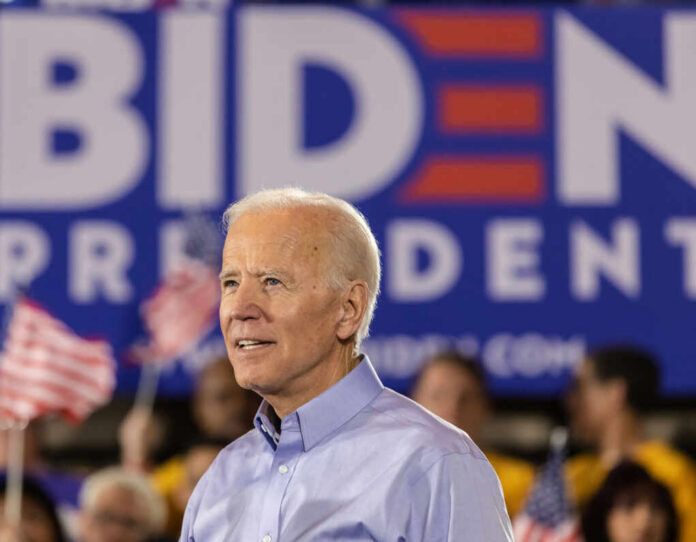
Jill Biden’s on-air admission that she feared her husband was “having a stroke” during the 2024 debate reignites questions about transparency, fitness, and the media’s role in shaping what Americans were told—and when.
Story Snapshot
- Jill Biden said she thought Joe Biden was “having a stroke” during the 2024 debate [1][2].
- Her remark reflects fear, not a medical diagnosis; no clinical confirmation has been presented [1][2].
- The clip underscores how a single quote can drive partisan narratives absent hard records [1][3].
- The episode fuels ongoing calls for disclosure standards about candidates’ health [2][3].
What Jill Biden Said And Why It Matters Now
CBS Sunday Morning aired a segment in which Jill Biden recalled watching the June 2024 presidential debate and thinking, “oh my God, he’s having a stroke,” adding that it scared her “to death” [1][2]. The remark, captured in a widely shared clip, has resurfaced as a focal point in debates about political transparency and media gatekeeping. The comment’s specificity—naming a stroke—elevates it beyond vague concern and invites questions about what observers saw, asked, and reported that night [1][2].
Local and international outlets summarized her account and tied it to the broader fallout from Joe Biden’s widely criticized performance, which accelerated doubts about his reelection prospects and, ultimately, the durability of his campaign footing [2][3]. The renewed attention highlights a reality conservatives have flagged for years: when hard facts are scarce, media ecosystems amplify emotive snippets. That pattern risks substituting viral quotes for verified medical disclosures, leaving voters to infer more than they know [2][3].
What We Know—and Do Not Know—About Health On Debate Night
The public record in the provided material does not include physician notes, emergency assessments, neurological exams, or imaging that would confirm a stroke or rule out alternatives such as fatigue or medication effects [1][2]. Jill Biden’s statement remains a retrospective fear, not a diagnosis, and there is no cited corroboration from treating clinicians or official medical releases in the materials presented here [1][2]. That evidentiary gap matters because it limits definitive conclusions about medical causation drawn from a single televised performance.
Conservatives understandably view this vacuum as the predictable result of selective transparency. When families, campaigns, and allied media control access to records and limit rigorous questioning, voters receive curated narratives instead of clear facts. The controversy lives in that gap: a credible spouse expresses fear of a serious event, while the absence of documentation blocks confirmation or rebuttal. Responsible reporting acknowledges the quote’s significance while separating emotion from evidence [1][2].
Implications For Public Trust, Media Standards, And Voter Rights
The episode exposes a recurring problem in American politics: health disclosures for top candidates and officeholders are inconsistent, selective, and often timed for political advantage. Voters deserve standardized, prompt disclosures of significant medical events, especially those that could impair decision-making. Without such standards, narratives harden along partisan lines, with one side alleging concealment and the other dismissing concerns as bad-faith attacks, while the truth remains behind closed doors [2][3].
U.S. President Joe Biden's poor performance in the 2024 debate has raised concerns about his reelection prospects. His wife, Jill Biden, was seen reacting with worry, fueling speculations about his health and political future. The incident has sparked debates about the…
— Tegu breaking news. (@tegufy_news) May 27, 2026
Policy remedies flow from common sense and constitutional accountability. Campaigns should commit to timely, independent medical evaluations with public summaries during crises; news organizations should distinguish clearly between eyewitness fear and clinical confirmation; and institutions should not punish legitimate inquiry as stigmatizing. These steps protect voters’ right to informed consent, reduce rumor, and ensure that leadership over national security, the economy, and individual liberties is entrusted with eyes wide open—not on the basis of curated sound bites [1][2][3].
Sources:
[1] Web – Jill Biden says she thought Joe was having a stroke during his …
[2] YouTube – Jill Biden feared Joe Biden had stroke during 2024 debate
[3] Web – Jill Biden says she feared Joe Biden was having a stroke … – WSLS 10