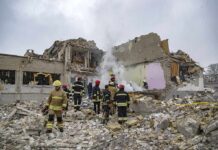

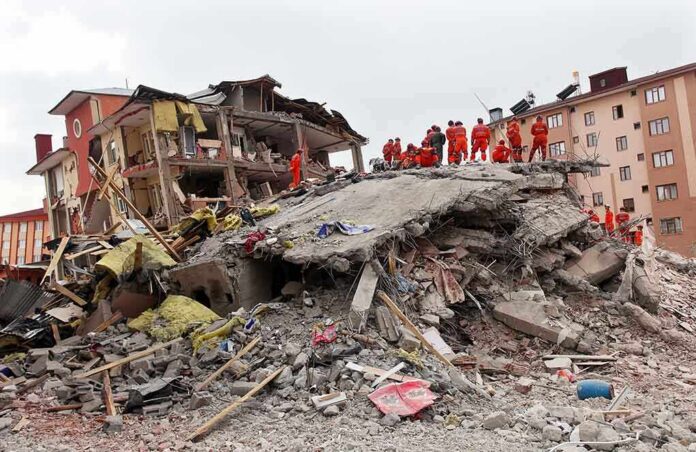
A powerful 7.7 earthquake in eastern Indonesia killed 68 people and injured hundreds as the nation marked Independence Day, turning celebration into grief.
Story Snapshot
- Indonesia’s disaster agency confirmed 68 deaths and more than 200 injuries after a magnitude 7.7 quake.
- Fatalities were recorded across seven districts, with the most in Manggarai and East Manggarai.
- Thousands sought shelter and many homes and buildings were damaged, straining local aid efforts.
- Search and recovery continued as Independence Day events proceeded under a cloud of loss.
Official Toll Rises As Search Teams Fan Out
Indonesia’s National Disaster Management Agency reported 68 confirmed deaths after a magnitude 7.7 earthquake struck eastern Indonesia. Officials said the toll rose as teams reached more remote villages and cleared blocked roads. The agency also reported more than 200 people injured as of August 17, following earlier lower counts in the first 48 hours. The change reflects ongoing rescue work and verification, not a contradiction in facts, as responders update records from field reports.
Reporters and aid groups described continuing searches through collapsed homes, damaged public buildings, and landslides that cut access. The Associated Press said about 5,000 people moved into temporary shelters and that hundreds of homes and structures were damaged, underscoring the scale of need. These conditions make rescue slower and raise health risks for survivors, especially the elderly and children. Power outages and weak cell signals also hindered contact with family and aid coordination in the first days.
Where The Loss Hit Hardest
Indonesia’s disaster agency listed deaths across seven districts, with 26 in Manggarai and 24 in East Manggarai. Officials counted eight in Nagekeo, four in Sikka, and two each in Ende, West Manggarai, and Ngada. This district detail matters because it guides where to send medical teams, fuel, food, and clean water first. It also shows why roads and bridges are vital in emergencies. When routes fail, aid piles up far from people who need it most.
Emergency shelters, field clinics, and supply hubs must match this pattern of impact. Medical staff need antibiotics, pain relief, clean IV fluids, and wound care supplies. Heavy equipment must reach the worst-hit zones to clear rubble and speed recovery of the missing. Local leaders can help by mapping village needs, posting clear lists of missing persons, and marking unsafe buildings. Clear chains of command keep efforts tight and cut duplication when hours matter most for trapped survivors.
Independence Day Marked In Mourning
Indonesia’s Independence Day fell as search and aid work continued. National events went forward, but the day’s tone reflected the disaster. Reuters noted operations active on the holiday, with crews combing debris and families waiting for updates. For many, the flag rose while rescue trucks rolled. The contrast showed the nation’s resolve and the burden on local responders who worked through the ceremonies to help their neighbors in need.
🇮🇩 Indonesia celebrated its Independence Day today, with thousands of its citizens still waiting for help.
A magnitude 7.7 earthquake struck off the coast of Flores Island in East Nusa Tenggara province on Saturday, killing at least 53 people and injuring 135. It is the…
— Data Explained (@dataexplain) August 17, 2026
For American readers, this tragedy is a sober reminder: disaster readiness is not optional. Clear data standards, fast search teams, open roads, and stocked medical supplies save lives. Families need simple plans, radios with spare batteries, and clean water on hand. Governments need to cut red tape so help moves fast. Faith groups and community networks often reach people first. When they have training and tools, recovery comes quicker and with less loss.
What The Numbers Tell Us About Response
The Associated Press reported thousands in shelters and widespread damage, which points to long recovery needs like tarps, tents, and safe water systems. The government’s confirmed death count, broken down by district, shows a focused approach to tracking and aid delivery. These two strands together suggest the next phase must secure clean water, restore clinics, and reopen key roads. The sooner that work starts, the fewer second-wave health problems will follow for survivors.
Why Early Counts Change In Disasters
Early numbers often shift in the first days after a major quake. Teams must confirm identities, check hospital logs, and reach remote areas. In Indonesia’s case, the official count rose as field access improved and records synced across districts. That is normal in large disasters. What matters is steady updates and clear leadership so families get accurate news and aid moves to the hardest-hit places without delay.
Sources:
reuters.com, internazionale.it, en.tempo.co