
California just made it a potential crime to post images and personal details of certain nonprofit workers online, raising fresh alarms about free speech and watchdog journalism.
Story Highlights
- Gov. Gavin Newsom signed AB 2624, expanding address secrecy for immigrant-aid workers.
- The law adds doxxing-style penalties tied to intent to incite violence.
- Critics warn it could chill public filming and investigative reporting.
- The program launches October 1, 2027, under California’s Safe at Home model.
What Newsom Signed And When It Takes Effect
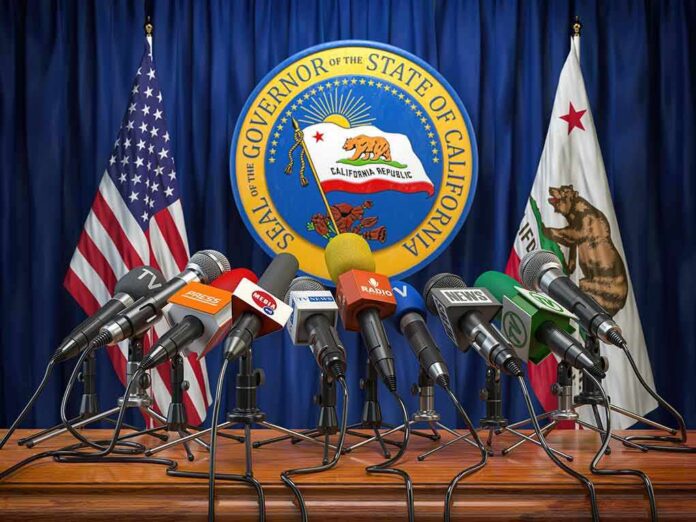
Governor Gavin Newsom signed Assembly Bill 2624 into law, extending California’s address confidentiality program to workers and volunteers who help immigrants. The law lets eligible participants shield home addresses from public records and targets online posting of their personal data when tied to threats or calls for violence. State analyses say the purpose is to protect people who face harassment for this work. The program is scheduled to start on October 1, 2027.
California already runs a Safe at Home address confidentiality program for victims of abuse. Lawmakers patterned this immigration-aid measure on that model. The Secretary of State will administer the address shield for qualified applicants. The new law also folds in anti-doxxing provisions aimed at posts made with intent to incite violence. Supporters say it focuses on true threats, not routine criticism. The state’s own Safe at Home framework shows a long-standing approach to privacy shields.
Supporters Say It Targets Harassment, Not News
Legislative analyses describe AB 2624 as a narrow safety measure for nonprofit staff and volunteers who have faced intimidation. The bill’s summary highlights two pieces: a mailing address substitute for public records and penalties for online posting made to spark violence. Backers argue the intent language limits the reach to dangerous conduct, not general filming or commentary. They frame the bill as a response to real threats against workers assisting people through the immigration system.
News coverage notes the law bars public posting of personal details when tied to violent outcomes, echoing existing state approaches to anti-doxxing. California already recognizes that targeted releases of home addresses can lead to stalking and attacks. The new statute applies that concept to this workforce. Supporters point to the growth of doxxing, swatting, and mob harassment and argue that privacy shields help prevent violence before it happens while leaving lawful criticism intact.
Opponents Warn Of A Chill On Filming And Speech
Opponents, including Republican lawmakers and independent journalists, argue AB 2624 goes too far. They say the language around posting images of covered workers could be read to block public filming and sharing clips that document waste or abuse. They warn that the threat of criminal charges, fines, or takedown demands could chill watchdog reporting, especially by citizens and small outlets with limited legal budgets. Several outlets summarized these First Amendment concerns this spring.
🚨 BREAKING: NEWSOM SIGNED IT.
WOW! It just proves exactly how much fraud that Gavin Newsom is doing!! so much that he had to create a law to try to prevent being caught!!Gov. Gavin Newsom has signed AB 2624—the so-called “Stop Nick Shirley Act”—into law.
It is intended to… pic.twitter.com/vtB0mhhU5b— Queen Kathryn of America (@BeFreeQKTV) August 23, 2026
Critics also argue the law could shield nonprofits that get taxpayer funds from scrutiny. They fear groups could claim safety concerns to force removals of footage that shows questionable conduct. A Fox report cited claims of possible fines and limits on public videotaping. While these objections are not court-tested, they underscore a wider national debate: where to draw the line between punishing threats and protecting robust newsgathering in public spaces.
How This Fits A Larger Free Speech Fight
States continue to write anti-doxxing rules to fight online harassment. At the same time, First Amendment experts warn that broad bans can sweep in newsworthy speech and chill investigation. California’s Safe at Home model has existed for years and focuses on address privacy. AB 2624 extends that idea to a new class of workers. The core legal test remains whether the law punishes threats, not truthful, newsworthy reporting obtained in public view.
Conservative readers should watch two things next. First, how California agencies define “intent” to incite violence when complaints come in. Second, how courts handle challenges if arrests, fines, or takedown orders target public filming of potential misconduct. The stakes are high. America needs both safety from true threats and the freedom to expose fraud, protect taxpayers, and hold powerful groups to account without fear or favor.
What To Watch For Now
Local governments, state agencies, and nonprofits will build rules to run the address confidentiality program before the 2027 start date. Journalists and watchdog groups will seek clear guidance, including carve-outs that protect public recording and newsworthy reporting. If those lines stay fuzzy, litigation is likely. Until courts weigh in, citizens in California should document from public spaces carefully and keep focus on conduct, not private home details, to avoid legal risk.
President Trump’s Justice Department and civil rights units could also be asked to weigh in if federal constitutional issues arise, especially around protected speech in public forums. If California uses the law to suppress public-interest reporting, expect swift legal challenges. If the state applies it narrowly to stop threats and violent targeting, the chill may be less severe. Vigilant oversight will determine which path prevails and whether the First Amendment remains secure.
Sources:
fastdemocracy.com, calmatters.digitaldemocracy.org, apcp.assembly.ca.gov, leginfo.legislature.ca.gov