
A Molotov attack on a top AI executive’s home is now colliding with a familiar American flashpoint: whether the justice system protects the public equally—or bends under politics, money, and mental-health breakdowns.
Quick Take
- Prosecutors charged 20-year-old Daniel Moreno-Gama with serious state and federal crimes after a Molotov cocktail attack linked to OpenAI CEO Sam Altman’s San Francisco home and the company’s offices.
- The public defender says Moreno-Gama was in an acute mental health crisis and argues prosecutors “overcharged” what she frames as a property crime.
- Authorities say the attack was planned and targeted, and the case includes allegations involving an unregistered firearm and explosives-related counts.
- Separate gunfire struck near Altman’s home days later, underscoring how quickly high-profile targets can face repeated threats.
What happened at Sam Altman’s home—and why it drew national attention
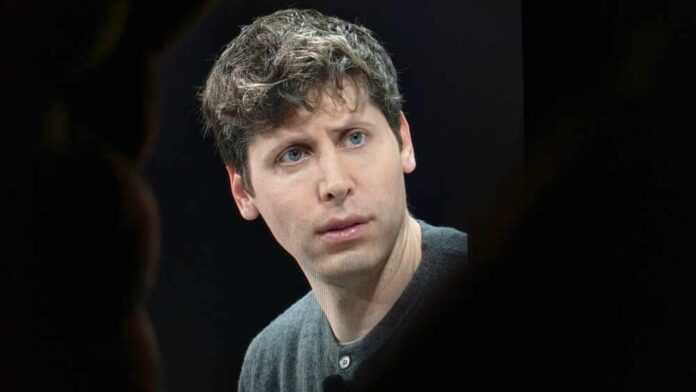
San Francisco investigators say Daniel Moreno-Gama, a 20-year-old from Spring, Texas, targeted OpenAI CEO Sam Altman’s residence in the Russian Hill area around April 10, 2026, allegedly throwing a Molotov cocktail and causing minor property damage such as damage to a gate. Authorities also linked him to a targeted incident involving OpenAI’s offices. No injuries were reported, and it was not confirmed whether Altman was home at the time.
Law enforcement interest intensified because the case was treated as more than simple vandalism. Reporting on the charging documents and court statements indicates investigators viewed the incident as an intentional, directed attack, not random destruction. That distinction matters legally and politically: when a suspect appears to select a person and location tied to a controversial industry, prosecutors tend to treat it as a public-safety threat with broader deterrence aims, not merely a local property offense.
State and federal charges raise the stakes—and the sentencing range
San Francisco District Attorney Brooke Jenkins’ office pursued state charges that include attempted murder counts and arson-related allegations, with reporting describing potential penalties ranging from roughly 19 years to life. Separately, federal authorities brought charges tied to explosives and an unregistered firearm, with reporting describing potential federal exposure up to 30 years. Dual-jurisdiction cases like this can widen leverage for prosecutors while increasing pressure on defendants to negotiate.
Prosecutors reject the defense claim that the charging decision is driven by Altman’s wealth or status. Jenkins has publicly argued the charges are supported by evidence and are what her office would seek for any San Franciscan under comparable facts. The FBI also characterized the incident as “planned” and “targeted,” language that signals investigators believe they can show intent—an element that becomes pivotal when attempted murder is on the table.
The defense claims mental-health crisis—an argument that can cut two ways
Deputy Public Defender Diamond Ward said Moreno-Gama was in the midst of an acute mental health crisis and suggested autism may be a factor, arguing the case is being inflated into something it is not. The defense position frames the incident as a property crime that is being escalated through “fearmongering.” From a due-process standpoint, courts routinely consider mental competency and culpability, and a verified crisis can affect charging, plea options, and sentencing.
At the same time, mental-health mitigation does not automatically negate public-safety concerns—especially in cases involving incendiary devices. If prosecutors can show planning, travel, targeting, or steps to increase harm, those facts typically strengthen the argument for detention and for serious charges regardless of diagnosis. The available reporting does not include a completed mental health evaluation in court records yet, meaning the public is largely hearing competing narratives before the evidentiary phase begins.
Two incidents near the same home highlight a bigger security and governance problem
Days after the Molotov attack, gunfire was reported near Altman’s home from a passing vehicle, and two people were arrested in that separate incident. Authorities distinguished the shooting from the firebombing suspect, but the proximity in time illustrates a larger reality: high-profile individuals and institutions can become magnets for copycats, opportunists, or ideologically driven offenders. For ordinary residents, this raises uncomfortable questions about whether local systems can prevent repeat targeting.
Attorney for suspect in attack at Sam Altman's home says he was in midst of 'mental health crisis' https://t.co/6rEhusyXlr pic.twitter.com/oDjbPIe2op
— Eyewitness News (@ABC7NY) April 15, 2026
The case also lands in the middle of a broader national frustration that cuts across party lines: many Americans believe government is reactive rather than preventive, and that accountability is inconsistent depending on who is involved. Conservatives tend to focus on deterrence, public order, and equal treatment under the law; liberals often emphasize mental health and systemic inequities. This prosecution will likely test whether officials can balance compassion with accountability without letting politics—or status—distort justice.
Sources:
Suspect was in apparent mental health crisis during attack on Sam Altman’s house