
Federal agencies now wield unprecedented power to strip homeless veterans of their personal autonomy through public guardianship, bypassing Congress in a blatant overreach that alarms patriots defending individual liberty.
Story Snapshot
- VA and DOJ signed a March 11, 2026, agreement to pursue state court guardianship for homeless veterans deemed clinically incapable of medical decisions.
- Initiative targets 33,000 homeless veterans, many with mental illness or addiction, lacking family support—marking first federal attorneys in state proceedings.
- Announcement surprised lawmakers and advocates, raising red flags on due process, veteran rights, and unchecked federal expansion.
- Advocacy groups demand safeguards to prevent erosion of autonomy and trust in veteran support systems.
- Shifts VA from preventive grants to interventionist court actions, potentially setting precedent for broader government control.
Initiative Details and Federal Expansion
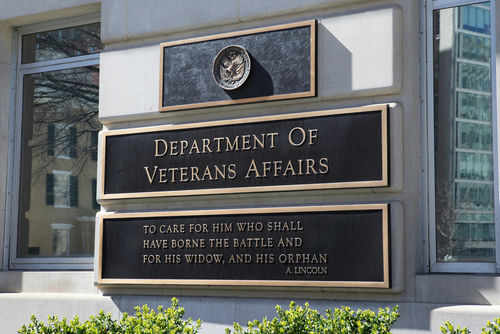
The Department of Veterans Affairs and Department of Justice signed a memorandum of agreement on March 11, 2026. This pact appoints VA attorneys as special assistant U.S. attorneys to initiate guardianship and conservatorship proceedings in state courts. The program focuses on homeless or at-risk veterans clinically determined incapable of making medical decisions, with no family or legal support available. VA Secretary Doug Collins called it a commitment to timely care. This marks the first coordinated federal push into state guardianship matters.
Homeless Veterans Crisis Driving the Policy
Approximately 33,000 veterans face homelessness per HUD’s annual census. Up to 60% suffer mental illnesses from combat trauma, military sexual assault, or transition challenges. Drug and alcohol addiction further complicates their plight. The VA awarded $84 million in fiscal year 2026 grants to 176 organizations for legal services under the 2020 Johnny Isakson and David P. Roe Act. Yet scant data exists on veterans already under public guardianship, highlighting gaps in tracking such interventions.
This is a paragraph.
Stakeholder Reactions Highlight Autonomy Risks
The National Coalition for Homeless Veterans acknowledges guardianship benefits in limited cases but warns it removes significant personal autonomy. They demand strong safeguards, due process, and community coordination to avoid undermining trust. Disabled American Veterans just learned of the plan and is reviewing it. State courts will handle proceedings, with VA clinicians assessing incapacity. This cautious stance echoes conservative priorities of protecting individual rights against government overreach.
Senator Richard Blumenthal, top Democrat on the Senate Veterans’ Affairs Committee, expressed serious concerns over implementation without congressional review. The surprise announcement caught Capitol Hill off guard, prompting immediate scrutiny. Advocacy groups stress guardianship must prioritize veteran rights, aligning with principles of limited federal power and personal liberty that President Trump’s administration champions against bureaucratic excess.
Veterans Affairs to pursue legal guardianship of homeless vets – The Wall Street Journal
Finally! https://t.co/VibsvtYgFo
— Jim Williams (@JimWilliamsUSA) March 12, 2026
Potential Impacts on Veterans and Policy Precedent
Short-term, expect more state court cases expanding federal influence over veteran decisions, possibly aiding care transitions but inviting abuse without oversight. Long-term, it shifts VA toward interventionism, risking precedent for federal meddling in personal affairs nationwide. With 33,000 affected veterans, many lacking support, poor execution could erode trust in systems meant to honor their service. Conservatives must watch for threats to autonomy, demanding transparency to safeguard those who fought for our freedoms.
Veterans Affairs to pursue legal guardianship of homeless vets – The Wall Street Journal https://t.co/whi2Wvg5Qq
— For Fooksake!!! (@glrglr13) March 12, 2026
Sources:
VA awards $84M in grants to fight veteran homelessness
NCHV Statement on VA-DOJ Agreement Affecting Guardianship Proceedings for Veterans
Legal Services for Veterans (LSV) Program
DOJ, VA Sign Agreement to Improve Care for Nation’s Most Vulnerable Veterans