

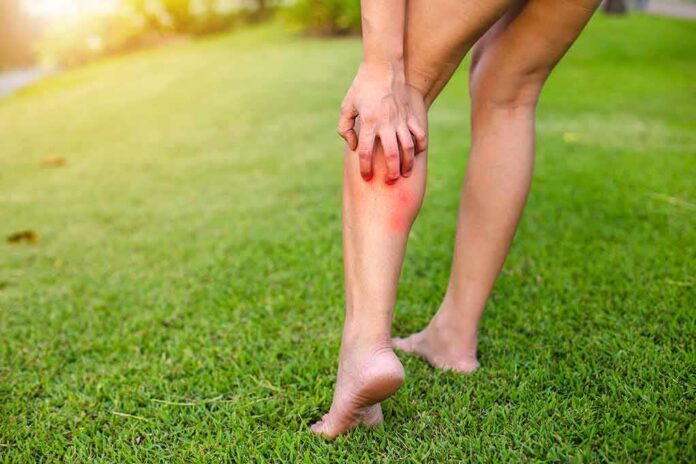
A cleaner’s “mystery insect bite” reportedly turned into weeping wounds and ended in death, underscoring how a small bite can spiral into a fatal medical emergency.
Story Snapshot
- Media report says a cleaner died after a “mystery insect bite” led to weeping wounds.
- Medical guidance warns bites can get infected, with pus, swelling, and pain as red flags.
- Fatal outcomes from insect encounters are uncommon but do occur, often from allergies or severe infection.
- Experts urge fast wound care and medical help when symptoms worsen after a bite.
What Happened: Bite, Worsening Wounds, Then Death
A news aggregation page flagged a Mirror story reporting that a cleaner died after a “mystery insect bite” that developed into weeping wounds. The report frames a simple bite that became more serious over time, ending in tragedy. While most bites heal on their own, the case highlights how a small skin break can allow germs to spread. That path can lead to severe infection without prompt care. The headline focuses on the sequence from bite to worsening wounds and death.
Health references explain how bites can turn dangerous. Doctors warn that pus, spreading redness, and increasing pain may signal an infection that needs care right away. Government medical pages advise washing with soap and water, using ice to reduce swelling, and not scratching, which can raise infection risk. Over several days, if swelling, redness, or pain worsen, people should seek medical help, not wait it out at home. These steps aim to stop small problems before they become big ones.
How Bite Complications Turn Deadly
Clinicians note that fatal outcomes after insect encounters are uncommon but real. Many deaths come from severe allergic reactions to stings from bees, wasps, hornets, or fire ants, which can shut down breathing without quick epinephrine treatment. Other rare paths to death involve aggressive infections that spread under the skin and into the bloodstream. Medical literature documents fast-moving infections after bites that became lethal without early, strong treatment. These scenarios are not the norm, but they are documented.
Workplace data also tie insects to fatalities in a small fraction of cases. A federal labor review counted dozens of deaths over several years where insects were involved, most directly due to the insect encounter itself. For the average person, the risk stays low. Yet the numbers show the danger is not zero. That is why experts press simple, fast actions: clean the site, avoid scratching, watch for pus or spreading redness, and call a doctor if symptoms escalate. Quick steps buy time and can save lives.
Practical Steps Families Can Use Now
Families can act right away after any bite. First, wash the area with soap and water. Second, apply ice on and off to cut swelling. Third, use an antihistamine or anti-itch cream if needed. Fourth, avoid scratching so bacteria do not enter the skin. If a stinger is present, scrape it away quickly. Over the next days, watch for warning signs: pus, fever, swollen glands, or pain and redness that spread or worsen. Those signs mean seek medical care now, not later.
Most bites stay minor and clear with basic care. But this reported case shows how fast things can change. Personal responsibility and common sense matter here. Basic first aid at home paired with prompt medical help when symptoms worsen can make the difference. That approach respects individual liberty and protects families without new mandates or government overreach. It is the kind of proactive, informed care that keeps small problems from growing into emergencies.
Sources:
mirror.co.uk, newsnow.co.uk, ncbi.nlm.nih.gov, medlineplus.gov, healthy.kaiserpermanente.org, aafp.org