
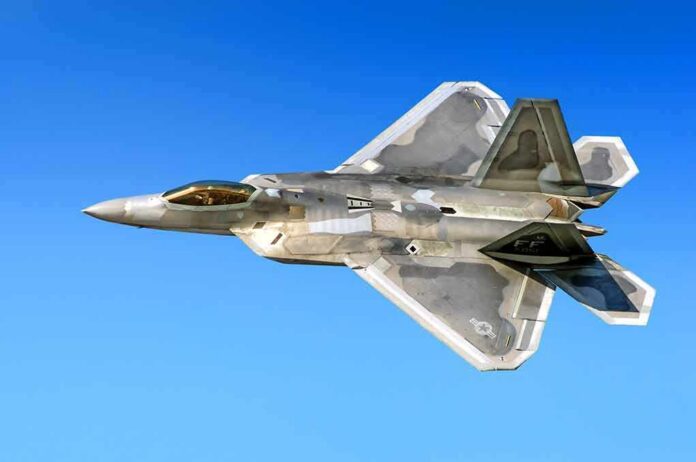
America spent tens of billions on 195 F-22 Raptors, yet their only three air-to-air kills were not enemy aircraft.
Story Highlights
- About $67.3 billion funded 195 F-22s, driving per-jet figures above $300 million when spread across the small fleet.
- Flyaway cost sat near $143 million late in production, but totals rise with research and development.
- The F-22’s three recorded air-to-air kills involved targets like balloons or drones, not fighter jets.
- Cost debates hinge on which metric is used: flyaway, procurement, or total program average.
What The F-22 Cost — And Why The Number Changes
Published estimates show several “costs” for the F-22 because analysts count different buckets of money. Military Machine places the flyaway cost near $143 million for the last lots, which is the price to build one more jet without past research and development added in. Slashgear reports the total program reached about $67.3 billion. When that total is divided over fewer than 200 jets, the per-jet figure rises above $300 million. These viewpoints describe different facts, not different airplanes.
The National Interest calls the fighter roughly a $350 million aircraft when research and development are included in unit-level math. That aligns with other summaries that fold design, testing, and infrastructure into a higher per-jet number. This is why readers see headlines from about $140 million to about $350 million or more. The fleet size matters, too. A small production run spreads fixed costs over fewer jets, which makes each plane look more expensive on paper even if the jet itself did not change.
The Raptor’s Air-to-Air Record In Plain Terms
The F-22 is built to win air superiority, but public records list three air-to-air kills that were not against manned fighters. These actions involved slow or unmanned targets, including the well-known balloon shoot-down era. That record often fuels claims that the fighter’s combat value is limited. But that view misses context. The jet’s core job is to deter and dominate so fights never start. A quiet record can reflect deterrence, tasking choices, or rules of engagement, not weak performance.
Critics ask a fair question: if taxpayers funded a top-end fighter, why so few classic dogfight wins? Supporters answer that the United States has not fought a peer air force that sends fighters into the Raptor’s hunting ground. The Raptor also flies missions where showing up is enough to push threats back. Counting only shoot-downs can miss that effect. Still, transparency matters. Clear reporting of missions, readiness, and cost per flight hour helps the public judge value without hype or spin.
How To Read The Cost Debate Without The Spin
Readers can sort the numbers by matching each claim to the metric used. If a report says “about $143 million,” it likely means flyaway cost for a late-production jet, before inflation and outside of past development bills. If a report says “around $350 million,” it likely blends the full program cost into a per-jet average, which is the program acquisition view. Both can be accurate. They answer different questions: “What does one more jet cost?” versus “What did the whole program average per jet?”
F-22 Raptor wows crowd with near-vertical air show climb https://t.co/Yc7jw99lIO
— Serenity Green (@SGreen63457) August 10, 2026
Policy makers under President Trump face two duties at once: guard taxpayers and keep air dominance. The lesson from the Raptor is simple. End the whipsaw. Decide the mission, size the fleet to match it, and buy enough jets to avoid sky-high averages from tiny production runs. Publish clear, single-metric dashboards that show flyaway cost, full-program average, and cost per flight hour side by side. That sunlight will restrain bloat, support strong defense, and respect every dollar earned by American families.