
America’s top military command for the Middle East is asking troops to brainstorm new ways to punish Iran, a sign the Trump administration is not backing off after months of fighting.
Story Snapshot
- A U.S. Central Command intelligence officer emailed military analysts asking for “creative and unconventional” ideas to pressure Iran
- The request came as the U.S. and Iran remain locked in a military standoff now stretching into its fifth month
- Central Command has reportedly drawn up plans for “short and powerful” strikes and other tougher options
- The top U.S. commander in the region recommended pausing strikes near the Strait of Hormuz, saying they had hit their limit
- The debate shows a real split over how far America should push Iran before it agrees to a deal
Command Puts Out A Call For New Ideas
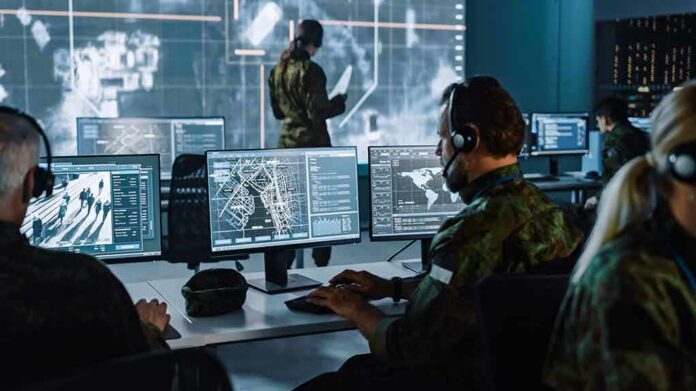
An intelligence officer at U.S. Central Command sent an email to a wide group of military analysts this past week. The message was blunt: the command needs fresh ideas to “exert pressure on and penalize Iran.” A separate senior military figure had already asked for new proposals the week before, according to the report. The request shows the Pentagon is still actively searching for ways to squeeze Tehran, not settling into a quiet standoff.
President Trump has made clear he wants Iran to give ground at the negotiating table, and his commanders appear to be taking that mission seriously. Asking rank-and-file analysts for “unconventional” ideas suggests the usual playbook of strikes and sanctions may not be enough on its own. For a president who campaigned on strength abroad, this kind of pressure is exactly what supporters expect.
Strikes, Blockades And Ground Options Already On The Table
This is not just talk. Central Command has reportedly prepared plans for a “short and powerful” wave of strikes on Iranian targets, meant to force Tehran to bend in negotiations. Other options reportedly include a partial takeover of parts of the Strait of Hormuz and even a special forces raid to seize Iran’s stockpile of enriched uranium. Those are serious, high-stakes moves, not empty threats.
The military has already been acting. Central Command announced it struck dozens of Iranian targets with precision weapons, hitting air-defense systems, radar sites, and missile and drone facilities to stop Iran from threatening ships in the region. American forces have also worked to intercept or redirect vessels headed to and from Iran, choking off the oil money that funds the regime. The economic squeeze and the military pressure are running side by side.
Not Everyone Agrees Escalation Is Working
Admiral Brad Cooper, the top U.S. commander in the Middle East, recommended pausing the bombing campaign around the Strait of Hormuz. He reportedly said it had reached the limit of its effectiveness. That is a notable break from the tone of “creative and unconventional” pressure coming from elsewhere in the command, and it shows serious military leaders are weighing whether more strikes actually change Iran’s behavior or just prolong the fight.
This kind of internal debate is normal in wartime planning, and it does not mean the mission has failed. It means commanders are being careful with American lives and resources before recommending the next move. Conservatives who want a strong response to Iran should also want that response to actually work, not just look tough on paper.
What It Means For Trump’s Iran Strategy
President Trump has leaned on both economic and military pressure to force Iran into a deal, and his commanders are being told to keep the ideas coming. Whether that means more airstrikes, a tighter blockade, or something nobody has tried yet, the message from the top is clear: Iran has a choice to make a real deal or face more consequences.
For a regime that has spent decades funding terror proxies and threatening American troops, that kind of pressure is overdue. The open question is how far the administration is willing to go, and whether commanders on the ground believe further escalation will bring Iran to the table or simply drag out a costly standoff. That debate will shape the next phase of this conflict.
Sources:
mediaite.com, timesofisrael.com, iranintl.com, bbc.com, thehill.com