
A huge crater in eastern Poland has put Russia’s overnight war spillover back under a harsh spotlight.
Quick Take
- Polish police said they found a 10-meter crater and debris from an unidentified object near Tarnawa Kolonia.
- Authorities said residents heard an explosion before emergency crews secured the field.
- Poland did not immediately report any casualties from the blast.
- The incident happened during a massive Russian attack on western Ukraine, which raised air-defense alerts in Poland.
What Polish Authorities Found
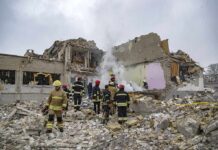
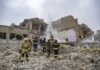
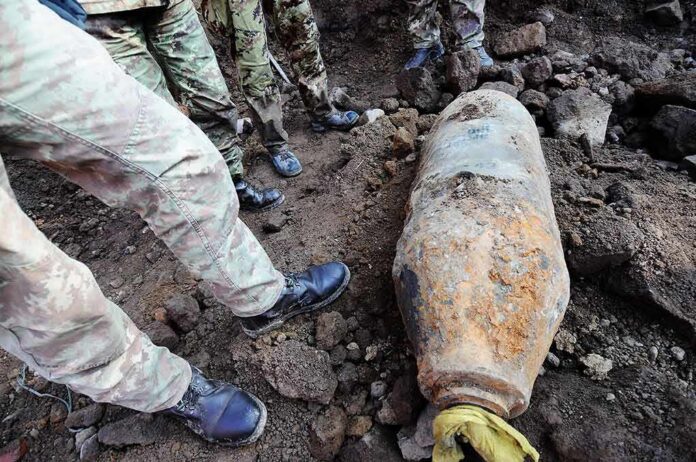
Polish police said they were sent to a field near Tarnawa Kolonia after residents reported a loud blast. Officers found a crater about 10 meters wide and debris from a non-identified object. The site was about two kilometers from the nearest homes, which points to a rural impact zone rather than a strike in a crowded area. Police and firefighters quickly secured the scene while the investigation began.
Polish authorities kept their language careful and did not name the object’s origin. The public record in the provided reports stops at the crater, the debris, and the ongoing investigation. That matters because early war reports can move faster than the forensic work needed to prove what fell. For now, the confirmed facts are limited, and no official technical finding in the supplied material says whether the object was a missile, drone, or something else.
Why The Timing Mattered
The blast came during a Russian barrage on western Ukraine, and that timing shaped the response in Poland. The Polish Armed Forces said an unidentified object was detected in Polish airspace before it disappeared from radar, and military aircraft were sent to check the area. That does not prove the object was a Russian weapon, but it does show Polish authorities treated the event as part of a real cross-border security risk, not a local prank or random accident.
Ukraine’s foreign minister suggested the object was a Russian cruise missile that crossed into Poland after missing its target. The reports in the research set do not show a final Polish forensic answer that confirms or rejects that claim. For a country on NATO’s eastern edge, that gap matters. Families near the border want facts, not guessing, and any official attribution should rest on debris analysis, radar data, and chain-of-custody records, not on war chatter alone.
Why The Story Draws Bigger Attention
This incident lands in a region already marked by fear of escalation, and that makes careful reporting essential. The same research set also reflects how fast older Poland border incidents can get mixed into new ones, especially when headlines mention missiles, NATO, and Russia in the same breath. That kind of confusion can distort public understanding and push people toward a conclusion before investigators finish their work.
JUST IN: 🇵🇱🇷🇺 NATO-member Poland scrambles fighter jets following explosion in its territory during Russian missile attack on Ukraine.
— ✨Altaf Raja✨ (@AltafRaja126533) July 30, 2026
For readers tired of elite spin and sloppy war coverage, the important point is simple: Polish authorities found a crater, debris, and no immediate casualties, but they have not yet pinned down the object’s identity in the supplied reports. Until investigators release hard evidence, the safest reading is the one Polish police themselves used at the start — an unidentified object caused the blast, and the facts still need to be nailed down.
Sources:
insiderpaper.com, bbc.com, euronews.com, npr.org