
John Hinckley Jr., the man who shot President Reagan outside the Washington Hilton, now calls an alleged assassination attempt on President Trump at the same hotel “spooky,” exposing persistent security failures that threaten American leaders.
Story Highlights
- Two assassination attempts 45 years apart at the Washington Hilton highlight ongoing venue security vulnerabilities despite lessons from 1981.
- Secret Service agent wounded in 2026 incident; suspect Cole Allen arrested before reaching Trump.
- Hinckley criticizes hotel security as “lax,” urging avoidance of large events.
- Acting AG Todd Blanche confirms Allen targeted Trump and his administration.
- Improved protocols since 1981 prevented injury to President Trump, but frustrations grow over elite event protections.
Historical Echoes at Washington Hilton
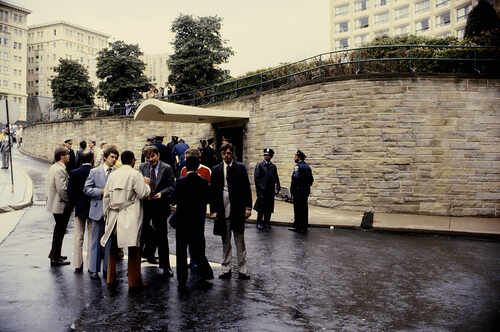
On March 30, 1981, John Hinckley Jr. fired six shots outside the Washington Hilton after President Reagan’s speech to an AFL-CIO conference. The bullets wounded Reagan with a shot that ricocheted near his heart, Press Secretary James Brady, Officer Thomas Delahanty, and Secret Service Agent Tim McCarthy. Hinckley, obsessed with actress Jodie Foster, had traveled by bus from Los Angeles and premeditated the attack. Reagan survived due to Agent Jerry Parr’s quick medical action. This event scarred the hotel’s history with presidential violence.
2026 Assassination Attempt Unfolds
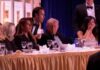
Cole Allen, a 32-year-old from Torrance, California, traveled by train to Washington, D.C., checked into the Washington Hilton days before the White House Correspondents’ Association Dinner on April 25, 2026. Allen stormed the venue, fired shots, and injured a Secret Service agent before agents arrested him. President Trump, the First Lady, and officials evacuated safely from the ballroom. No one reached Trump, unlike the 1981 outdoor success by Hinckley from 15 feet away. Acting AG Todd Blanche stated Allen intended to target the president and administration.
Hinckley’s Chilling Reaction
On April 26, 2026, Hinckley told TMZ the coincidence felt “spooky.” He received a news alert on his phone about the shooting at the same hotel where he wounded Reagan. Hinckley, fully released from supervision in 2022 after his 1982 not guilty by insanity verdict, criticized the hotel’s security as “lax” and suggested it avoid hosting large events. His comments amplify concerns over repeated risks at this venue, even as media notes security evolution since his attack.
AP reporter Del Quentin Wilber highlighted stark differences in response times, crediting post-1981 enhancements for stopping Allen early indoors. Yet Hinckley’s outsider perspective resonates with Americans frustrated by government failures to protect leaders at elite gatherings while everyday citizens face rising threats from crime and open borders.
Reagan shooter calls link to Washington hotel ‘spooky’ after alleged Trump assassination attempt at same site https://t.co/LT8UWmGgbv
— Follow @JodyField (@JodyField) April 29, 2026
Security Lapses and Broader Implications
The incidents expose deep frustrations shared across political lines: federal institutions prioritize elite events over ordinary Americans pursuing the dream through hard work. Short-term, heightened scrutiny targets the Hilton, with potential event cancellations impacting hospitality. Long-term, questions arise on venue choices for official dinners, echoing 1981 reforms like the Brady Bill. Political polarization intensifies as Trump supporters decry attacks on their leader, while both sides question a “deep state” more focused on self-preservation than public safety. Secret Service successes prevented tragedy, but lax hotel protocols demand accountability to uphold founding principles of secure liberty.
Sources:
Sound of gunfire carries eerie echoes of Reagan’s shooting outside same Washington hotel