
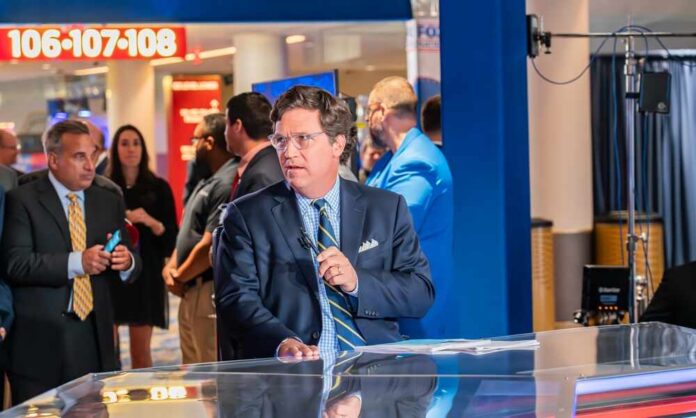
Tucker Carlson has ignited controversy by applying biblical prophecy to contemporary politics, questioning whether current leaders exhibit characteristics Christians associate with end-times figures—raising alarm among believers who see sacred theology weaponized for political commentary.
Story Snapshot
- Carlson released commentary analyzing Trump’s Easter profanity and attacks on the Pope through an eschatological framework
- Episodes reference 2 Thessalonians’ “man of lawlessness” passages, comparing political rhetoric to Antichrist prophecies
- Collaborations with Alex Jones explore occultism, AI, and threats to Christianity
- Commentary emerges from Carlson’s critique of what he calls “Israelism, Christianity without the New Testament”
Theological Analysis Meets Political Commentary
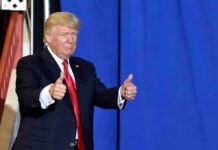
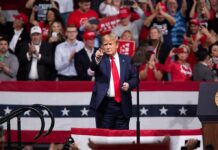
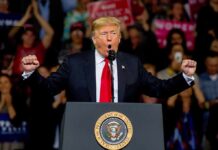
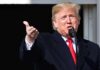
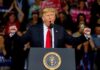
Tucker Carlson produced content examining whether Donald Trump could represent or herald the Antichrist figure described in Christian eschatology. The commentary specifically references biblical passages from 2 Thessalonians about the “man of lawlessness,” applying ancient prophecy to modern political behavior. Carlson criticized Trump’s Easter message, which allegedly included profanity on Easter morning, and analyzed Trump’s rhetoric attacking religious figures including the Pope. This approach merges theological interpretation with political analysis in ways that blur traditional boundaries between sacred text and partisan commentary.
Broader Religious Critique Framework
The eschatological analysis stems from Carlson’s larger commentary on what he describes as “America’s new civic religion” of “Israelism, Christianity without the New Testament.” This theological critique provides the foundation for examining political figures through a prophetic lens. Carlson has produced multiple episodes exploring these themes, including collaborations with Alex Jones discussing “the Rise of the Antichrist and the Occult’s Attempt to Destroy Christianity.” The content connects disparate concerns about occultism, artificial intelligence, and eschatological prophecy into a unified narrative about threats facing traditional Christianity.
Concerns About Mixing Faith and Politics
This approach raises legitimate questions about the intersection of religious belief and political discourse. For conservatives who value both their Christian faith and constitutional principles, using sacred prophecy as a political weapon cuts dangerously close to the manipulative tactics they criticize in progressive movements. The government’s role is not to determine theological truth, and citizens should be wary when commentators—regardless of political alignment—weaponize scripture for partisan purposes. Faithful believers across the political spectrum recognize the danger when eternal spiritual matters become entangled with temporal political battles, potentially cheapening both.
The Elite Media Playbook
Whether Carlson genuinely believes these eschatological interpretations or uses them as provocative commentary remains unclear from available sources. What’s evident is that this content generates significant attention and engagement, which benefits media personalities financially regardless of the spiritual confusion it may sow among viewers. Americans frustrated with elite manipulation should question whether this represents sincere theological analysis or calculated controversy designed to maintain audience share. The pattern mirrors tactics used across the political spectrum: use emotionally charged religious or cultural issues to keep citizens divided and distracted while fundamental problems—economic inequality, government corruption, eroding opportunity—remain unaddressed by those profiting from the status quo.
TUCKER: HE'S THE 'ANTICHRIST'… https://t.co/QvTFmbXMdu pic.twitter.com/uOKIj8YGCF
— NA404ERROR (@Too_Much_Rum) April 17, 2026
Sources:
The Tucker Carlson Show: The Occult, Kabbalah, and Antichrist’s Newest Manifestation