
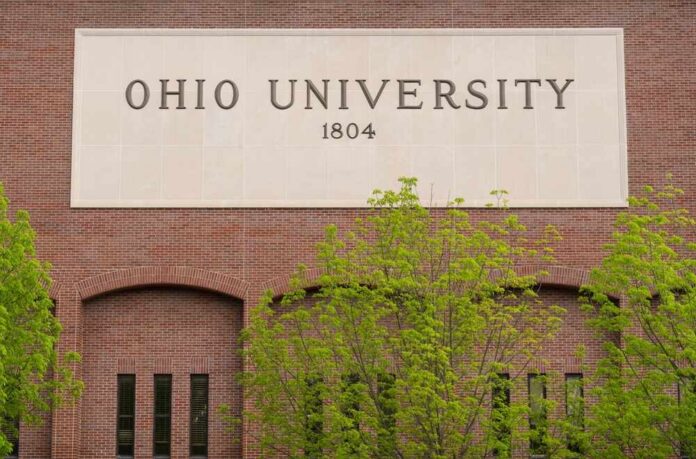
Ohio University administration swiftly rejected a student-led anti-Israel divestment referendum despite an 86% approval vote, citing state law that protects institutions from discriminatory boycotts—exposing how activist campus movements fail when confronted with legal reality.
Story Snapshot
- Only 6.5% of Ohio University’s 28,000 students participated in the April 2026 referendum, undermining claims of overwhelming student support for Israel Bond divestment
- University administration refused to act on the non-binding measure, citing Ohio state law prohibiting discriminatory boycotts that could expose the institution to civil liability
- Students for Justice in Palestine and Young Democratic Socialists co-authored the measure, framing it as financial prudence based on declining Israel Bond credit ratings
- The decision reinforces a growing national trend of state anti-BDS laws effectively blocking campus divestment campaigns at public universities
Student Activism Meets Legal Roadblock
Ohio University students voted in early April 2026 on a referendum to divest from Israel Bonds, with 1,599 of 1,853 participants—representing just 6.5% of the university’s total student body—approving the measure. The non-binding resolution called for ending direct and indirect investments in Israel Bonds through the Ohio University Foundation until the bonds achieved top credit ratings from at least two major agencies. Student Senate Governmental Affairs Commissioner Donald Theisen clarified the measure targeted bond non-renewal at maturity rather than immediate full divestment, distinguishing it from broader boycott movements.
Administration Invokes State Anti-Boycott Law
Senior Director of Communications Dan Pittman announced the university would “neither consider, nor act upon, any resolution that proposes illegal actions or could expose the university to civil liability.” Ohio law explicitly prohibits public universities from engaging in discriminatory boycotts of Israel, including divestment from its bonds or companies. This legal framework gave administrators clear grounds to dismiss the student vote without debate, regardless of the percentage supporting it. The decision underscores how state legislatures have successfully insulated public institutions from pressure campaigns targeting America’s Middle Eastern ally.
Misleading Numbers and Activist Overreach
While activists touted an “86% approval,” this figure represented only those who chose to vote in the referendum, not the broader student population. The 1,853 total voters comprised a tiny fraction of Ohio University’s approximately 28,000 students, revealing shallow support for a measure co-authored by Students for Justice in Palestine and Young Democratic Socialists of America. These groups framed their campaign around declining credit ratings from agencies like S&P, Fitch, and Moody’s, attempting to position political activism as financial prudence. Alums for Campus Fairness praised the university’s rejection, noting the inflated claims ignored participation reality and violated established law.
Broader Implications for Campus Activism
Ohio University’s decision sets a precedent that reinforces legal barriers against BDS movements on public campuses nationwide. Similar divestment efforts at other state universities have failed when confronted with anti-boycott statutes, suggesting these laws effectively neutralize symbolic student votes. The referendum’s failure highlights a disconnect between vocal activist minorities and the silent majority of students who declined to participate. While pro-Palestinian students view the vote as civic engagement success, the university’s swift rejection demonstrates that ideology cannot override legal compliance and fiduciary responsibility at publicly funded institutions.
86% of Ohio University students vote in favor of anti-Israel referendum https://t.co/XSS6cBAOi8
— Steve Williams (@HISteveWilliams) April 20, 2026
Student Senate members indicated plans to pursue additional actions despite the administration’s rejection, though no concrete steps have emerged since mid-April 2026. The episode illustrates a broader frustration among Americans who watch activist groups manipulate democratic processes to claim mandates that don’t exist, while university bureaucrats maintain the status quo. Whether viewed as protecting institutional integrity or stifling student voices, the outcome reveals how legal frameworks established by elected state representatives—not campus activists—ultimately determine policy at public universities.
Sources:
Ohio University says it won’t act on student vote to divest from Israel Bonds
ACF Commends Ohio University for Rejecting Divestment Referendum